
Clover Honey: 5 Big Benefits & Differences
Clover Honey: Benefits, Uses, Taste & Complete Guide
Introduction
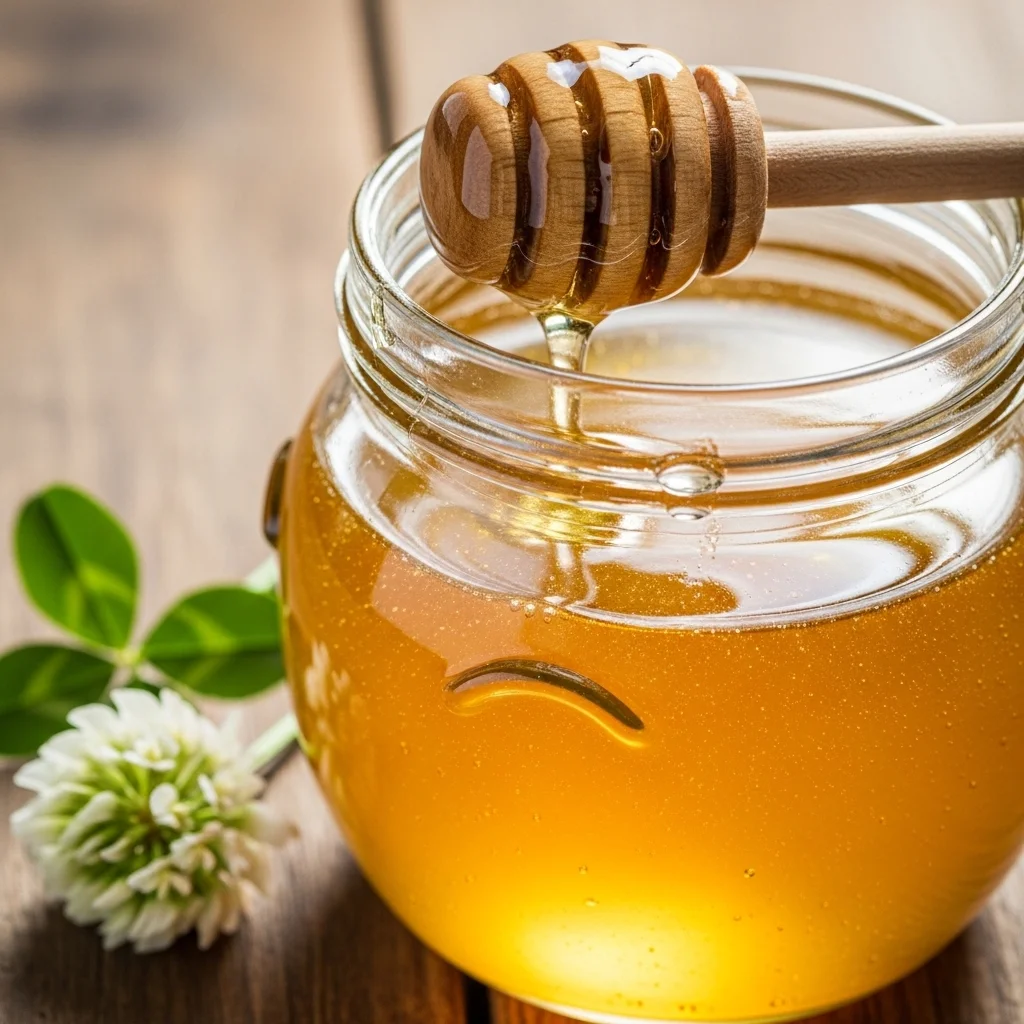
Clover Honey is one of the most popular honey varieties in the world. It is loved for its mild sweetness, smooth texture, and light golden color. Produced by bees that collect nectar mainly from clover flowers, this honey is commonly found in homes, kitchens, and health routines.
Many people choose Clover Honey because it tastes pleasant, blends easily into foods, and offers natural sweetness without the harsh flavor found in some darker honey types. Whether you want to use it in tea, baking, skincare, or daily wellness habits, Clover Honey is a smart and versatile choice.
In this complete guide, you will learn everything about Clover Honey, including benefits, nutrition facts, uses, storage tips, and how to buy the best quality product.
Clover Honey vs. Other Popular Honeys
How does this everyday honey stack up against other varieties? This table breaks down the key differences.
| Feature | Clover Honey | Manuka Honey | Buckwheat Honey | Wildflower Honey |
|---|---|---|---|---|
| Source | Primarily clover blossoms | Manuka bush (New Zealand) | Buckwheat flowers | Various, mixed wildflowers |
| Color | Light amber / pale yellow | Dark amber | Very dark, almost black | Varies (light to dark amber) |
| Flavor | Mild, floral, subtly sweet | Strong, earthy, medicinal | Robust, molasses-like, malty | Complex, varies by region |
| Texture | Smooth, crystallizes finely | Thick, granular | Thick, slow to crystallize | Varies |
| Key Trait | All-purpose, crowd-pleasing | High in Unique Manuka Factor (UMF) for wellness | Exceptionally high in antioxidants | Represents local terroir |
| Common Use | Sweetening, baking, everyday | Often used for its purported health properties | Bold flavor in baking, glazes | General use, artisanal products |
What Is Clover Honey?
Clover Honey is a type of floral honey made when honeybees gather nectar from clover plants. Clover flowers are common in many farming regions, especially in the United States, Canada, and New Zealand. Because clover blooms in large fields, bees can collect plenty of nectar, resulting in large quantities of this delicious honey.
The final honey usually has:
- Light amber or pale golden color
- Mild floral aroma
- Smooth and creamy texture
- Gentle sweet flavor
- Easy-to-use consistency
This mild profile makes Clover Honey ideal for people who prefer lighter honey over stronger varieties like buckwheat or manuka honey.
Clover Honey Taste Profile
One reason Clover Honey is so popular is its balanced flavor. It is naturally sweet but not overpowering.
Taste Notes:
- Mild sweetness
- Light floral hints
- Smooth finish
- No bitter aftertaste
Because of this flavor, Clover Honey works well in drinks, desserts, breakfast foods, and recipes where you want sweetness without changing the main taste.
Clover Honey Nutrition Facts
Like other natural honey varieties, Clover Honey contains natural sugars and small amounts of nutrients.
Typical Nutritional Content (1 tablespoon):
- Calories: Around 60–65
- Carbohydrates: 17g
- Natural Sugars: 16g
- Fat: 0g
- Protein: 0g
- Trace minerals: Small amounts
It may also contain tiny amounts of antioxidants and enzymes, especially if raw and minimally processed.
Top Clover Honey Benefits
1. Natural Sweetener Alternative
It can replace refined sugar in tea, coffee, smoothies, and recipes. Many people prefer it because it is more natural and flavorful.
2. Quick Energy Source
Because it contains natural carbohydrates, it can provide quick energy. Athletes and active individuals sometimes use honey before workouts.
3. Supports Daily Wellness
Raw Clover Honey may contain antioxidants that help protect the body from oxidative stress.
4. Soothes Throat Comfort
Many people use warm water, lemon, and Clover Honey during seasonal throat discomfort.
5. Better Taste Than Sugar
Unlike plain white sugar, Clover Honey adds sweetness plus floral flavor.
Popular Uses of Clover Honey
In Beverages
Add Clover Honey to:
- Tea
- Coffee
- Lemon water
- Herbal drinks
- Smoothies
On Breakfast Foods
Use it on:
- Toast
- Pancakes
- Oatmeal
- Yogurt
- Waffles
In Cooking
Clover Honey works great in:
- Salad dressings
- Marinades
- Sauces
- Baking recipes
Skincare Use
Some people apply honey masks for moisturized skin. Always patch test first.
Clover Honey vs Regular Honey
Many people ask if Clover Honey is different from regular honey.
The term “regular honey” often means blended commercial honey from mixed flower sources. Clover Honey comes mainly from clover nectar, giving it a more consistent mild taste.
Clover Honey Advantages:
- Softer flavor
- Lighter color
- Easy to mix
- Family-friendly taste
- Popular for everyday use
Raw Clover Honey vs Processed Clover Honey
Raw Clover Honey
- Less processed
- May contain natural enzymes
- Often thicker texture
- Can crystallize faster
Processed Clover Honey
- Filtered and heated
- Smoother appearance
- Longer shelf appeal
- Easier pouring consistency
If you want a more natural option, many people choose raw Clover Honey.
How to Use Clover Honey Instead of Sugar
A common rule is:
- 1 cup sugar = ¾ cup Clover Honey
When baking with Clover Honey:
- Reduce some liquid in recipe
- Lower oven temperature slightly
- Expect softer texture
This makes baked goods moist and flavorful.
How to Choose the Best Clover Honey
When shopping for Clover Honey, check these factors:
1. Read Ingredients
Choose honey with only one ingredient: Honey
2. Look for Origin
Trusted sources often mention country or farm region.
3. Raw or Pure Label
If preferred, choose raw Clover Honey or pure Clover Honey.
4. Avoid Added Syrups
Low-quality honey may include fillers.
5. Glass Jar or Quality Packaging
Good packaging helps preserve freshness.
How to Store Clover Honey
Store Clover Honey properly to keep quality high.
Best Storage Tips:
- Keep tightly sealed
- Store at room temperature
- Avoid direct sunlight
- Keep away from moisture
- Do not refrigerate unless needed
Honey naturally lasts a long time when stored well.
Why Clover Honey Crystallizes
Crystallization is normal and does not mean the honey is spoiled. It happens when glucose forms crystals over time.
To Fix It:
Place the jar in warm water and stir gently. Avoid overheating.
Is Clover Honey Healthy?
Clover Honey can be part of a balanced diet when used in moderation. It is still a sweetener, so portion control matters.
Many people prefer Clover Honey over refined sugar because it is natural and contains trace beneficial compounds.
However:
- It is still high in calories
- Use moderate amounts
- Not suitable for infants under 1 year old
Who Should Buy Clover Honey?
Clover Honey is ideal for:
- Families wanting mild honey
- Tea and coffee drinkers
- Bakers
- Natural food lovers
- People replacing sugar
- Those who dislike strong honey flavors
Common Mistakes to Avoid
Buying Based Only on Price
Very cheap honey may be low quality.
Using Too Much
Honey is natural but still sugar-based.
Refrigerating Honey
Cold storage can speed crystallization.
Ignoring Labels
Always check purity and source.
Final Thoughts
Clover Honey remains one of the best honey choices for everyday use. Its mild taste, smooth texture, and flexible uses make it a favorite worldwide. Whether you want to sweeten tea, improve recipes, or choose a natural sugar alternative, Clover Honey is a reliable option.
Choose high-quality pure Clover Honey, use it in moderation, and enjoy the natural sweetness it brings to your kitchen and lifestyle.
If you are looking for a gentle, delicious, and practical honey variety, Clover Honey is an excellent choice.
One More Kids Intrest Topic To Read – Glass Craft and Bead Expo Las Vegas Tips & Full Guide

