
Can Pregnant Women Eat Shrimp? 35 FAQ | Clear all Doubts
Can Pregnant Women Eat Shrimp? A Complete Guide to Safety & Benefits
Navigating pregnancy nutrition can feel like walking through a minefield. One day, a food is hailed as a superfood; the next, it’s on the “avoid” list. Seafood, in particular, causes significant confusion. So, let’s tackle a common question head-on: Can pregnant women eat shrimp?
The short and reassuring answer is yes, pregnant women can safely eat shrimp, provided it is fully cooked and consumed in recommended amounts. Shrimp can be a valuable part of a balanced prenatal diet, offering key nutrients for you and your baby’s development.
This guide will break down everything you need to know—from the impressive health benefits to the critical safety rules—so you can enjoy this seafood with confidence.
Why Shrimp Can Be Good for Pregnancy
When prepared safely, shrimp is more than just a tasty treat; it’s a nutritional powerhouse. Here’s a look at the key benefits it offers during pregnancy.
Key Nutrients in Shrimp
Shrimp is packed with nutrients essential for fetal growth and maternal health:
* High-Quality Protein: Crucial for building your baby’s cells, tissues, and organs.
* Omega-3 Fatty Acids (DHA & EPA): Support the development of your baby’s brain and eyes.
* Iron: Helps prevent iron-deficiency anemia, a common concern in pregnancy, by supporting red blood cell production.
* Iodine: Vital for healthy thyroid function, which regulates metabolism and supports neurodevelopment.
* Vitamin B12: Important for forming red blood cells and maintaining nervous system health.
* Selenium: An antioxidant that supports the immune system.
Benefits for Mom and Baby
Incorporating cooked shrimp into your diet can contribute to:
* Healthy Fetal Brain Development: The DHA in shrimp is a building block for the baby’s brain and retina.
* Adequate Protein Intake: Helps you meet increased protein needs during the second and third trimesters.
* Low-Calorie Nutrition: Shrimp is low in calories and saturated fat, making it a smart choice for managing healthy weight gain.
Understanding the Risks: Mercury and Foodborne Illness
The primary concerns with any seafood during pregnancy are mercury content and the risk of foodborne illness. The good news? Shrimp scores favorably on both fronts when handled correctly.
The Mercury Factor
Mercury is a heavy metal that can harm a developing baby’s nervous system. The key is to choose seafood low in mercury.
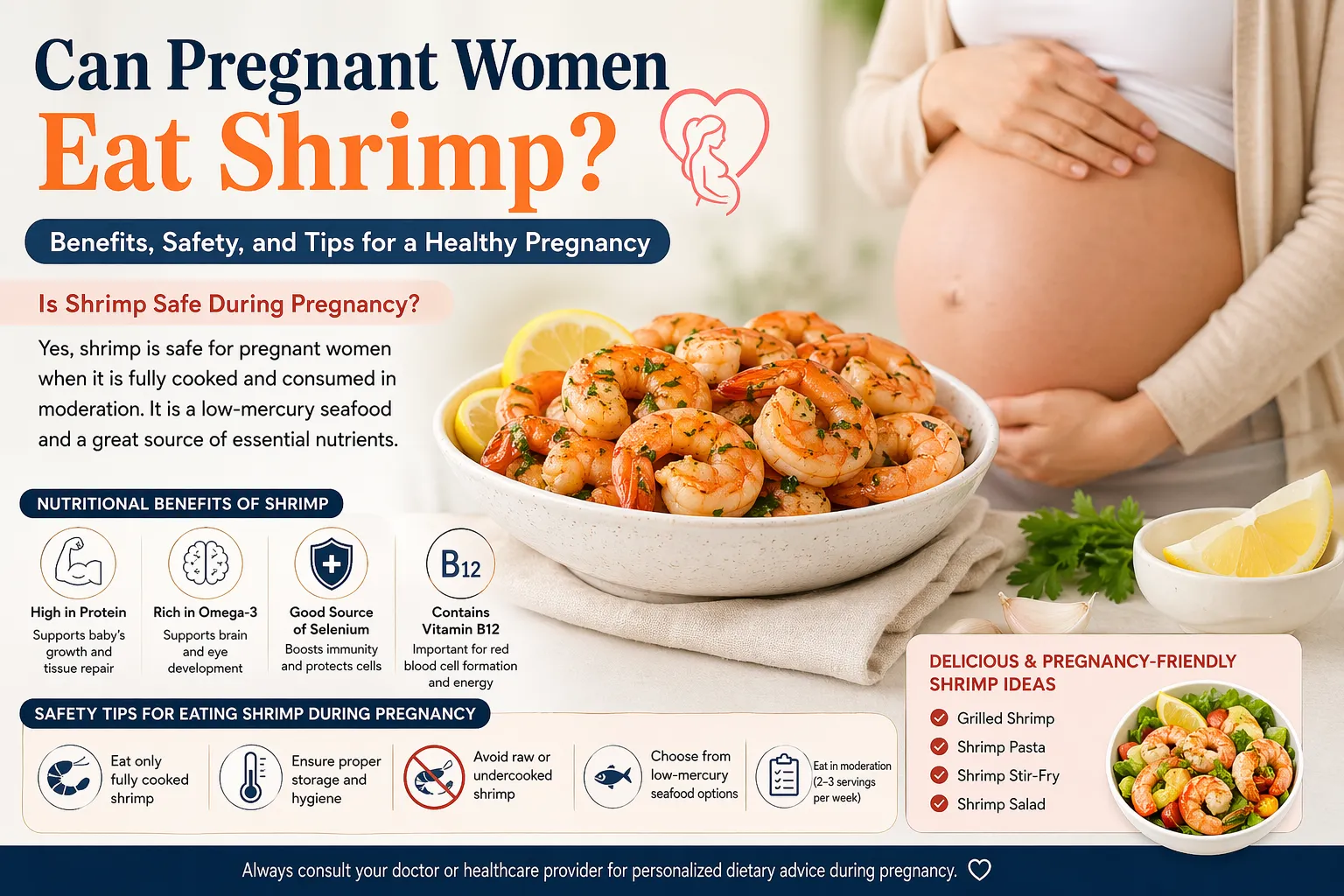
Fortunately, shrimp is consistently categorized as a low-mercury seafood by the U.S. Food and Drug Administration (FDA) and Environmental Protection Agency (EPA). It is one of the “Best Choices” for pregnant and breastfeeding women.
Risk of Foodborne Illness
The real safety focus with shrimp is on proper handling and cooking to avoid bacteria (like Listeria and Salmonella) and parasites. Raw or undercooked shrimp is unsafe during pregnancy. Consuming it can lead to food poisoning, which poses serious risks, including dehydration and, in the case of Listeria, potential miscarriage or preterm labor.
Essential Safety Guidelines for Eating Shrimp While Pregnant
Follow these rules to ensure every bite is safe and enjoyable.
1. Always Eat Fully Cooked Shrimp
This is the non-negotiable rule. Shrimp must be cooked to an internal temperature of 145°F (63°C). Visually, shrimp is done when it turns opaque and pink with a firm texture.
* Safe: Grilled, boiled, steamed, baked, or sautéed shrimp.
* Avoid: Raw shrimp in sushi, ceviche, or shrimp cocktail (unless the shrimp is pre-cooked). Also avoid lightly seared or translucent shrimp.
2. Adhere to Recommended Serving Limits
Even low-mercury seafood should be eaten in moderation. The FDA recommends that pregnant women eat 2 to 3 servings (8 to 12 ounces total) of low-mercury seafood per week.
* One serving of shrimp is typically considered 4 ounces (about the size of your palm).
3. Practice Safe Handling and Storage
- Buy Smart: Purchase shrimp from reputable sources. If buying frozen, ensure the package is intact.
- Store Properly: Keep shrimp refrigerated at or below 40°F and cook or freeze it within 1-2 days of purchase.
- Prevent Cross-Contamination: Use separate cutting boards and utensils for raw shrimp. Wash hands, surfaces, and utensils thoroughly with hot, soapy water.
4. Be Mindful of Preparation
- Choose Simple Preparations: Opt for shrimp cooked at home where you can control the process. Be cautious with pre-made salads or sauces that may contain raw ingredients or be left unrefrigerated.
- Limit High-Sodium Additions: Many popular shrimp dishes are high in sodium (e.g., scampi, fried shrimp). Enjoy these occasionally and balance with plenty of fresh vegetables.
Shrimp Consumption: Quick Reference Table
This table summarizes the crucial do’s and don’ts for eating shrimp during pregnancy.
| Consideration | Recommendation for Pregnant Women | Reason |
|---|---|---|
| Is it safe? | Yes, if fully cooked. | Eliminates risk of bacteria and parasites. |
| Mercury Level | Very Low (FDA “Best Choice”) | Minimal risk of mercury accumulation. |
| Weekly Amount | 2-3 servings total of low-mercury seafood (8-12 oz). One serving of shrimp = ~4 oz. | Balances benefits of omega-3s with prudent mercury limits. |
| Preparation Method | Eat only when fully cooked (opaque, pink, firm). Methods: Grilling, boiling, baking, sautéing. | Ensures safety from foodborne pathogens. |
| What to Avoid | Raw shrimp, undercooked shrimp, refrigerated smoked seafood (unless cooked in a dish). | These products have a higher risk of containing Listeria. |
| Eating Out | Order hot, thoroughly cooked shrimp dishes. Avoid buffet shrimp or cold shrimp cocktails. | You cannot control kitchen handling; hot dishes are safer. |
Frequently Asked Questions About Can Pregnant Women Eat Shrimp?
1. Can pregnant women eat shrimp?
Yes, pregnant women can eat shrimp when it is fully cooked and eaten in moderation. Shrimp is considered a low-mercury seafood choice.
2. Is shrimp safe during pregnancy?
Yes, cooked shrimp is generally safe during pregnancy as long as it is prepared properly and comes from a trusted source.
3. Can eating shrimp harm my baby?
Properly cooked shrimp is usually safe and can provide beneficial nutrients. Raw or undercooked shrimp may increase the risk of foodborne illness.
4. Is shrimp high in mercury?
No, shrimp is considered low in mercury compared to many larger fish species.
5. How much shrimp can pregnant women eat?
Pregnant women can usually eat 2–3 servings of low-mercury seafood per week, including shrimp, as part of a balanced diet.
6. Can I eat shrimp every day while pregnant?
It is better to vary seafood choices and eat shrimp in moderation rather than daily.
7. Is boiled shrimp safe during pregnancy?
Yes, boiled shrimp is safe if fully cooked.
8. Can I eat grilled shrimp while pregnant?
Yes, grilled shrimp is safe when cooked thoroughly.
9. Is fried shrimp safe during pregnancy?
Yes, fried shrimp can be safe if fully cooked, though it may be higher in oil and calories.
10. Can pregnant women eat shrimp cocktail?
Yes, if the shrimp is fully cooked and kept properly chilled. Avoid if it has been sitting out too long.
11. Can I eat shrimp pasta while pregnant?
Yes, shrimp pasta is usually safe when the shrimp is cooked completely.
12. Is shrimp sushi safe during pregnancy?
Shrimp sushi made with cooked shrimp may be safe, but avoid sushi containing raw seafood.
13. Can pregnant women eat raw shrimp?
No, raw shrimp should be avoided during pregnancy.
14. Can undercooked shrimp be dangerous in pregnancy?
Yes, undercooked shrimp may contain harmful bacteria or parasites.
15. What nutrients does shrimp provide during pregnancy?
Shrimp contains protein, iodine, selenium, vitamin B12, and omega-3 fats in small amounts.
16. Is shrimp good for baby development?
Shrimp can support a healthy pregnancy diet due to its protein and nutrient content when eaten safely.
17. Does shrimp contain protein?
Yes, shrimp is a good source of lean protein.
18. Can shrimp help with pregnancy nutrition?
Yes, shrimp can be part of a nutritious meal plan.
19. Can shrimp cause allergies during pregnancy?
Yes, shrimp is a common shellfish allergen. Avoid it if you have a shellfish allergy.
20. What if I ate shrimp before knowing I was pregnant?
If it was fully cooked, it is usually not a problem. Contact your doctor if it was raw or caused illness.
21. Can shrimp cause miscarriage?
Cooked shrimp does not cause miscarriage. Food poisoning from contaminated seafood can create risks.
22. Is frozen shrimp safe during pregnancy?
Yes, frozen shrimp is safe when stored properly and cooked thoroughly.
23. Can I eat shrimp from restaurants while pregnant?
Yes, choose reputable restaurants and ensure the shrimp is fully cooked.
24. Is spicy shrimp safe during pregnancy?
Yes, if cooked properly. However, spicy food may cause heartburn in some pregnant women.
25. Can shrimp increase blood pressure in pregnancy?
Plain shrimp is not usually a concern, but heavily salted shrimp dishes may increase sodium intake.
26. Can pregnant women eat shrimp chips?
Shrimp-flavored chips are processed snacks and should be eaten occasionally, not as a main nutrition source.
27. Is shrimp better than some fish during pregnancy?
Shrimp is low in mercury, which makes it a safer seafood option than some high-mercury fish.
28. What seafood should pregnant women avoid instead?
Avoid high-mercury fish such as shark, swordfish, king mackerel, and tilefish.
29. Can I eat shrimp in the first trimester?
Yes, cooked shrimp can be eaten in the first trimester if tolerated.
30. Can I eat shrimp in the third trimester?
Yes, cooked shrimp is generally safe in the third trimester as well.
31. How do I know shrimp is fully cooked?
Cooked shrimp turns pink and opaque with a firm texture.
32. Can shrimp smell strong if spoiled?
Yes, spoiled shrimp may have a strong unpleasant odor and should not be eaten.
33. Can shrimp cause food poisoning during pregnancy?
Yes, if raw, undercooked, or improperly stored.
34. Is canned shrimp safe during pregnancy?
Yes, canned shrimp can be safe if properly processed and stored.
35. Should I ask my doctor before eating shrimp while pregnant?
If you have allergies, medical conditions, or concerns, it is always best to ask your healthcare provider.
The Final Verdict
Pregnant women can and should enjoy shrimp as part of a healthy diet. Its impressive nutritional profile, particularly its protein, iodine, and omega-3 content, offers real benefits for you and your growing baby. By strictly following the guidelines—ensuring it is fully cooked, sticking to recommended serving sizes, and practicing safe food handling—you can savor this delicious seafood without worry.
As always, discuss your diet with your healthcare provider or a registered dietitian. They can offer personalized advice tailored to your health profile. Now, go ahead and enjoy that perfectly grilled shrimp skewer—you and your baby deserve it.
You Can Read Our New Blog – How to Induce Your Period Safely

