
Triceps vs Biceps: Differences & Workouts
Triceps vs Biceps: Your Guide to Arm Anatomy and Strength
When people think of strong arms, the image of a flexed bicep often comes to mind. However, achieving truly powerful, balanced, and functional upper-body strength requires understanding the crucial triceps vs biceps dynamic.
These two major muscle groups are antagonists, meaning they perform opposite actions, and both are vital for everyday movements and athletic performance. This guide will break down their differences, functions, and the best strategies to train them effectively.
The Fundamental Difference: Anatomy 101
Firstly, the most basic distinction lies in their structure and location on your arm.
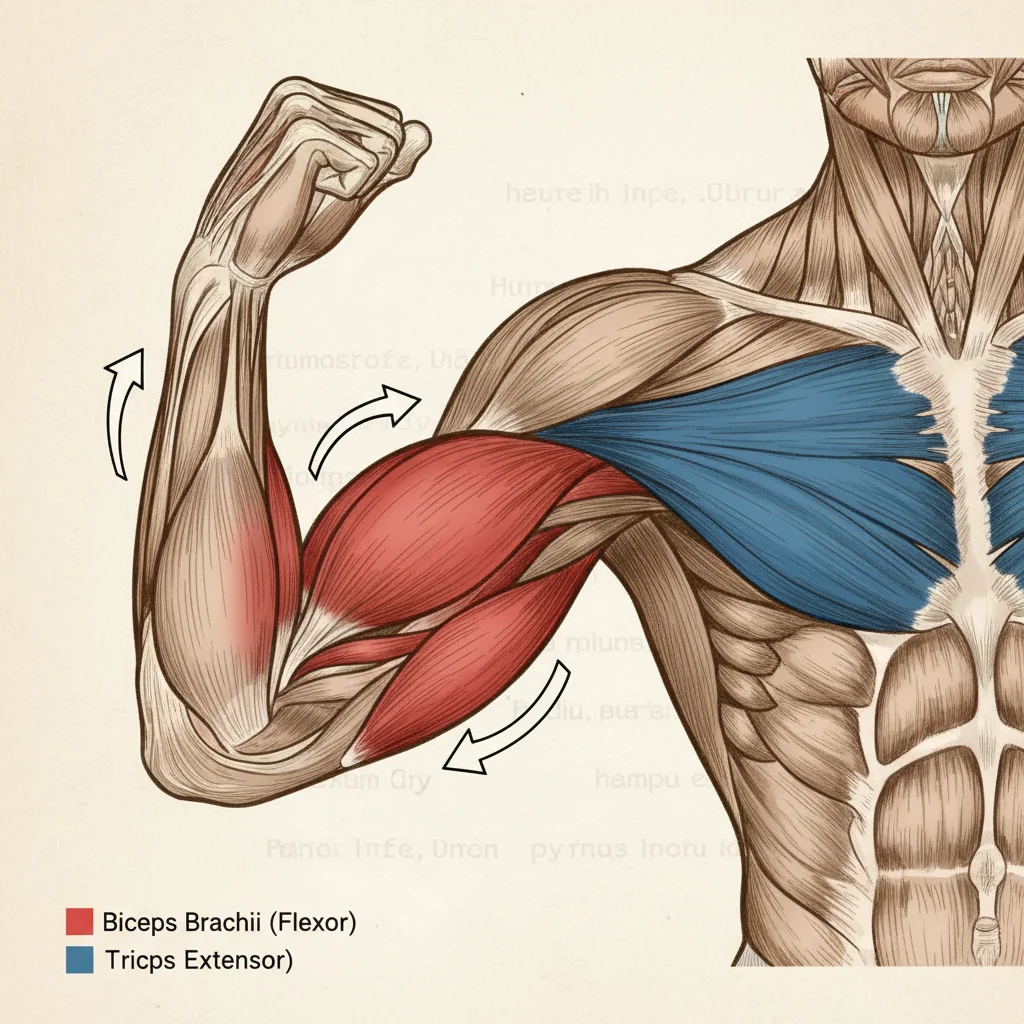
- Biceps Brachii: Located on the front of your upper arm, this is a two-headed muscle (hence “bi”-ceps). Its primary role is to flex the elbow and supinate the forearm (turning the palm up).
- Triceps Brachii: Located on the back of your upper arm, this is a three-headed muscle (“tri”-ceps). It is the primary extensor of the elbow, responsible for straightening the arm.
Here is a quick comparison table to highlight their core differences:
| Feature | Biceps | Triceps |
|---|---|---|
| Location | Front of upper arm | Back of upper arm |
| Heads (Muscle Bundles) | Two (Short & Long Head) | Three (Lateral, Medial & Long Head) |
| Primary Function | Elbow flexion, forearm supination | Elbow extension |
| Size Proportion | Makes up about 1/3 of upper arm mass | Makes up about 2/3 of upper arm mass |
| Common “Show” Muscle | Yes, the peak when flexed | Yes, creates arm thickness and horseshoe shape |
Functions and Why Balance is Key
Understanding what these muscles do beyond just “curls” is essential for functional fitness.
Biceps Functions:
The biceps are crucial for pulling motions. Consequently, they are engaged when you perform a chin-up, row a boat, or carry groceries. Moreover, their role in supination is why a strong bicep is important for tasks like using a screwdriver.
Triceps Functions:
The triceps are fundamental for pushing movements. Therefore, they are the primary mover in exercises like push-ups, bench presses, and overhead presses. Additionally, they are critical for any activity that involves throwing or punching.
The Antagonist Relationship:
Because these muscles work in opposition, imbalance can lead to problems. Overdeveloped biceps and weak triceps can pull the shoulder forward, potentially contributing to poor posture and injury risk. Conversely, focusing only on pushing movements can neglect the biceps. The goal is synergistic strength.
Best Exercises for Each Muscle Group
To build a balanced physique, you must train both groups effectively. Here are some of the most effective movements.
Top Biceps Exercises
- Barbell / Dumbbell Bicep Curls: The foundational mass-builder for the biceps.
- Hammer Curls: Excellent for targeting the brachialis (a deeper arm muscle) and forearms.
- Chin-Ups (Palms facing you): A superb compound movement that builds impressive bicep strength and size.
Top Triceps Exercises
- Close-Grip Bench Press: A compound lift that allows you to move heavy weight, significantly overloading the triceps.
- Triceps Dips: A bodyweight staple that effectively targets all three heads of the triceps.
- Overhead Triceps Extension: Uniquely emphasizes the long head of the triceps, crucial for full development.
For those interested in holistic health approaches that complement physical training, exploring natural wellness topics like the benefits of peppermint tea for recovery or understanding prostate health for overall male wellness can be valuable.
Building a Balanced Arm Workout Routine
You don’t need to dedicate entire sessions to your arms. Instead, integrate them intelligently into your weekly split. A common and effective approach is to pair biceps with back exercises and triceps with chest or shoulder exercises, as they are already involved in those compound movements.
Sample Push/Pull Split Integration:
* Pull Day (Back & Biceps): After your heavy rows and pull-ups, add 2-3 bicep exercises (e.g., 3 sets of dumbbell curls, 3 sets of hammer curls).
* Push Day (Chest, Shoulders & Triceps): After bench press and overhead press, add 2-3 tricep exercises (e.g., 3 sets of triceps dips, 3 sets of overhead extensions).
This method ensures both muscle groups receive adequate attention without overtaxing your schedule. Furthermore, proper nutrition and recovery are just as important as the workout itself. For instance, ensuring adequate protein intake is non-negotiable for muscle repair. Additionally, some fitness enthusiasts explore supplements like an advanced amino formula to support their muscle recovery and growth goals.
Common Myths and Mistakes to Avoid
- Myth: “Bigger Biceps = Bigger Arms”: Since the triceps comprise a larger portion of your arm mass, focusing solely on curls is a mistake. To truly increase your arm circumference, you must prioritize triceps development.
- Mistake: Using Momentum: Swinging your body to curl heavier weights or using a bounce out of the bottom of a triceps extension takes the work off the target muscle. Always prioritize controlled, strict form.
- Mistake: Neglecting Full Range of Motion: Not fully extending your elbow on a triceps movement or not fully lengthening your biceps at the bottom of a curl limits muscle engagement and growth potential.
In conclusion, the triceps vs biceps debate isn’t about choosing a favorite; it’s about recognizing their partnership. A powerful upper body is built on the foundation of this balanced, opposing muscle relationship.
By understanding their distinct roles, training them with purposeful exercises, and avoiding common pitfalls, you can build arms that are not only impressive in appearance but also immensely strong and functional. Remember, consistency in your training, nutrition, and recovery is the ultimate key to success.