
Salmon vs Tuna: Nutrition & Benefits
Salmon vs Tuna: Which Fish Reigns Supreme for Your Health?
The debate between salmon and tuna is a classic culinary and nutritional showdown. Both are celebrated as powerhouse sources of lean protein and essential nutrients, but they have distinct profiles that cater to different health goals and taste preferences. Choosing the right one can significantly impact your diet, therefore, a detailed comparison is essential. This guide will dissect the nutritional battle, taste test, and practical uses of salmon versus tuna to help you make an informed choice.
Nutritional Showdown: A Side-by-Side Comparison
To truly understand the differences, we must look at the data. The following table compares a standard 3-ounce (85g) cooked serving of wild-caught salmon and canned light tuna in water, which are common purchase points.
| Nutrient (per 3oz cooked) | Salmon (Wild) | Tuna (Canned, Light) |
|---|---|---|
| Calories | 155 kcal | 99 kcal |
| Protein | 22 g | 22 g |
| Total Fat | 7 g | 0.7 g |
| Omega-3 Fatty Acids (EPA/DHA) | 1.2 – 1.8 g | 0.2 – 0.3 g |
| Vitamin D | 71% of DV | 6% of DV |
| Vitamin B12 | 51% of DV | 8% of DV |
| Selenium | 55% of DV | 77% of DV |
| Mercury Content | Very Low | Low |
DV = Daily Value. Data sourced from the USDA FoodData Central.
The Case for Salmon: The Omega-3 Champion
Salmon is arguably the most famous fatty fish, and for good reason. Its most significant advantage lies in its exceptionally high concentration of omega-3 fatty acids, specifically EPA and DHA. These fats are crucial for reducing inflammation, supporting brain health, and promoting cardiovascular wellness. Consequently, regular consumption of salmon is strongly linked to a reduced risk of heart disease.
Moreover, salmon is one of the few exceptional natural food sources of Vitamin D, a nutrient many people are deficient in. It also provides a substantial amount of Vitamin B12. If you are focusing on anti-inflammatory diets or looking for foods that support cognitive function, salmon is the superior choice. For those interested in supplements that support similar health areas, you can explore reviews on specialized formulas like the Advanced Mitochondrial Formula.
The Case for Tuna: The Lean Protein Powerhouse
Tuna, particularly when canned in water, is the definitive winner for ultra-lean protein. It delivers the same high-quality protein as salmon with a fraction of the calories and fat, making it a staple for weight management and muscle-building diets. Additionally, it is an excellent source of selenium, a potent antioxidant that supports the immune system and thyroid function.
A critical factor in the tuna discussion is mercury content. It’s important to note that “light” tuna (like skipjack) has significantly lower mercury levels than “white” or “albacore” tuna. The FDA recommends 2-3 servings per week of low-mercury fish like light tuna. For individuals managing specific health conditions, such as prostate health, a lean protein source like tuna can be a valuable part of a balanced diet, especially when paired with other beneficial foods and antioxidants for prostate health.
Taste, Texture, and Culinary Uses
Beyond nutrition, your preference will largely depend on palate and recipe.
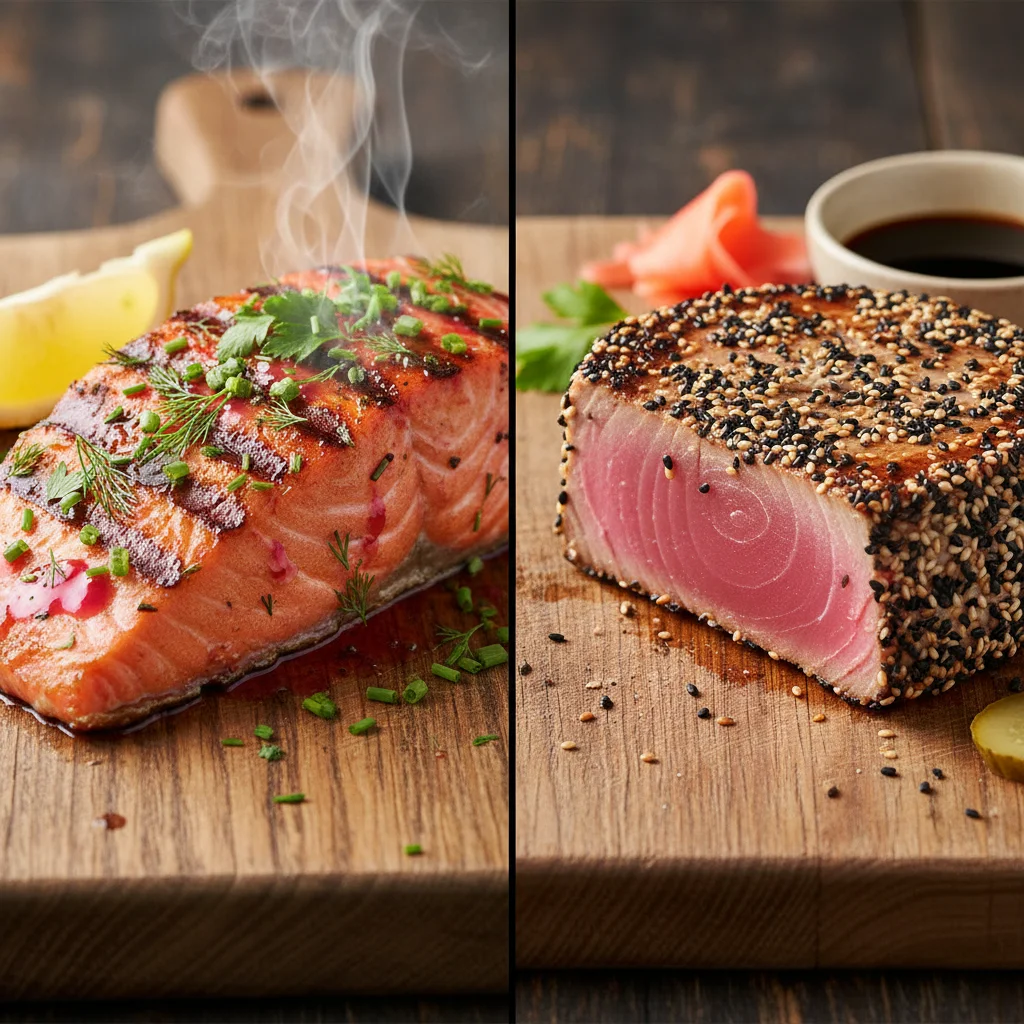
- Salmon: Has a rich, distinctive flavor and a tender, buttery texture that can range from flaky to moist. It’s versatile—excellent grilled, baked, pan-seared, or even eaten raw as sashimi. Its bold flavor stands up to robust sauces and glazes.
- Tuna (Steak): Fresh tuna steaks have a meaty, dense texture and a mild, slightly savory flavor. They are best cooked rare to medium-rare to prevent dryness. Think seared ahi tuna with a sesame crust.
- Tuna (Canned): Has a softer, flakier texture and a much milder, sometimes slightly metallic taste. It’s the champion of convenience—perfect for salads, sandwiches, casseroles, and pasta dishes.
Key Factors to Consider When Choosing
- Your Health Goals: For omega-3s and Vitamin D, choose salmon. For maximum protein with minimal calories and fat, choose light tuna.
- Sustainability and Sourcing: Opt for wild-caught Alaskan salmon or pole-and-line caught tuna to support more sustainable fishing practices. Resources like the Monterey Bay Aquarium Seafood Watch provide excellent guidance.
- Mercury Sensitivity: Pregnant women, nursing mothers, and young children should follow FDA guidelines, favoring salmon and light tuna while limiting albacore tuna. Salmon’s very low mercury profile makes it a safer frequent choice for these groups.
The Verdict: It’s Not a Competition, It’s a Rotation
Ultimately, declaring one fish the “winner” is counterproductive. They serve different, complementary roles in a healthy diet. Salmon is your go-to for essential fatty acids and fighting inflammation. Tuna is your ideal lean protein for satiety and muscle support.
Therefore, the most strategic approach is to incorporate both into your weekly meal rotation. For instance, you might enjoy a salmon fillet for dinner twice a week and use canned light tuna for a quick lunch salad. This rotation maximizes the broad spectrum of nutrients while minimizing any potential risks from contaminants.
Furthermore, diversifying your protein sources is a cornerstone of good nutrition. Whether you’re exploring a vegan keto diet plan or focusing on metabolic health, understanding the unique value of different foods is key. By appreciating the distinct strengths of both salmon and tuna, you can make empowered choices that deliciously support your long-term wellness.