
Raw vs. Unfiltered Honey: Benefits & Uses
What Is Raw and Unfiltered Honey? A Complete Guide
Honey is a beloved natural sweetener, but the terms “raw” and “unfiltered” on a label can be confusing. Are they the same thing? What makes them special? This guide will clarify exactly what raw and unfiltered honey is, explore its potential benefits, and show you how to incorporate this golden elixir into your wellness routine.
Defining Raw and Unfiltered Honey
Firstly, it’s crucial to understand that “raw” and “unfiltered” describe different, though often overlapping, characteristics of honey.
Raw Honey is honey as it exists in the beehive. It is extracted, strained to remove large debris like bits of wax or bees, and then bottled. Critically, it is never pasteurized (heated to high temperatures) or finely filtered. This minimal processing preserves its natural enzymes, antioxidants, vitamins, and pollen.
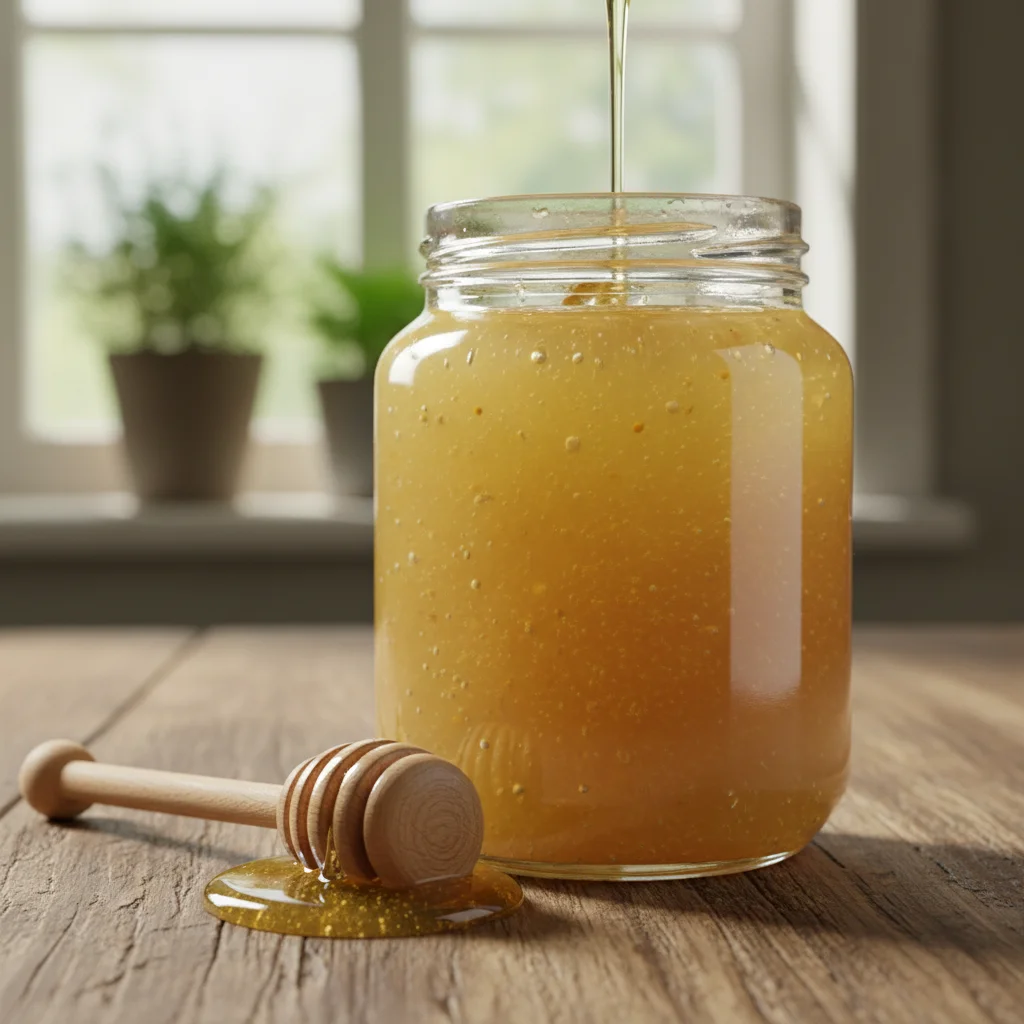
Unfiltered Honey has not undergone fine filtration to remove all microscopic particles, such as pollen, propolis, and beeswax remnants. Consequently, it may appear cloudier or contain tiny specks. Importantly, unfiltered honey can still be pasteurized, which would strip it of some beneficial compounds.
Therefore, the ideal product is often both raw and unfiltered, offering the full spectrum of natural goodness. In contrast, most conventional supermarket honey is heavily processed—pasteurized and ultra-filtered—resulting in a clear, smooth product that lacks many of honey’s inherent health properties.
Key Differences: Raw & Unfiltered vs. Regular Honey
The table below highlights the primary distinctions.
| Characteristic | Raw & Unfiltered Honey | Regular/Processed Honey |
|---|---|---|
| Processing | Minimal; only coarse straining. | Often pasteurized & ultra-filtered. |
| Heat Treatment | Never pasteurized. | Typically pasteurized (heated to ~160°F/71°C). |
| Filtering | Unfiltered or loosely strained; contains pollen, propolis. | Intensively filtered to remove all particulates. |
| Nutrient Profile | Rich in live enzymes, antioxidants, vitamins, pollen. | Enzymes are destroyed; nutrient content is reduced. |
| Appearance | Cloudy, opaque, may crystallize quickly. | Clear, smooth, liquid for longer. |
| Flavor | Complex, nuanced, varies by floral source. | More uniform, often simply sweet. |
Potential Health Benefits of Raw, Unfiltered Honey
Because it retains its natural compounds, raw unfiltered honey is associated with several wellness benefits, supported by both traditional use and emerging research.
- Rich in Antioxidants: It contains plant compounds like flavonoids and phenolic acids, which act as antioxidants. These can help combat oxidative stress in the body, a factor linked to chronic diseases. For more on how antioxidants function, explore our guide on antioxidants for prostate health.
- Soothing Properties: Its thick consistency and potential antimicrobial traits make it a classic remedy for coughs and sore throats. A spoonful can coat and soothe irritation. For other natural options, see our list of effective sore throat remedies.
- Natural Energy Source: The simple sugars (fructose and glucose) provide a quick, unprocessed energy boost, superior to refined sugars.
- May Support Gut Health: The presence of prebiotics and trace amounts of beneficial bacteria can promote a healthy gut microbiome. Moreover, some unfiltered honey contains pollen, which is being studied for its potential digestive benefits.
- Local Pollen Potential: Some proponents believe that consuming raw honey containing local pollen may help with seasonal allergies, though scientific evidence is mixed.
How to Use and Enjoy Raw Unfiltered Honey
Integrating this natural sweetener into your diet is simple and delicious.
- As a Sweetener: Use it in tea, drizzle over yogurt or oatmeal, or sweeten homemade salad dressings and marinades. However, to preserve its enzymes, avoid adding it to boiling-hot liquids.
- For Wellness: Take a spoonful at the first sign of a scratchy throat or cough.
- In Skincare: Its humectant and antimicrobial properties make it a popular ingredient in DIY face masks.
- Note on Crystallization: Crystallization is a natural process for raw honey and a sign of quality. To gently reliquefy it, place the sealed jar in a bowl of warm water.
Important Safety Notes
- Never for Infants: Do not give any honey—raw or processed—to children under one year old due to the risk of infant botulism.
- Source Matters: Purchase from reputable beekeepers or brands to ensure purity and quality.
- For Diabetics: While a better option than refined sugar, honey still significantly impacts blood glucose. Monitor intake carefully, as detailed in our blood sugar levels guide.
Conclusion: Embracing Nature’s Sweetener
In summary, raw and unfiltered honey is a minimally processed superfood that retains the vital nutrients and enzymes often destroyed in conventional honey. Its potential antioxidant, soothing, and gut-supporting properties make it more than just a sweet treat—it’s a valuable addition to a natural wellness pantry. By choosing a high-quality raw, unfiltered product, you’re not only enjoying a superior flavor but also harnessing the full power of the hive.

