
Low Calorie Cheese: Types, Nutrition & Uses
Your Complete Guide to Low Calorie Cheese: Enjoy Flavor Without the Guilt
Cheese is a beloved food, but its calorie and fat content can be a concern for those managing their weight or overall health. Fortunately, the dairy aisle offers numerous low calorie cheese options that deliver satisfying flavor without derailing your nutritional goals. This guide will explore the best varieties, their nutritional benefits, and how to incorporate them into a balanced diet.
What Makes a Cheese “Low Calorie”?
Firstly, it’s important to define what “low calorie” means in the context of cheese. Generally, a low calorie cheese contains significantly fewer calories per serving compared to its full-fat counterparts. This reduction is typically achieved through modifications in fat content. Consequently, many low calorie cheeses are made with skim or part-skim milk, which reduces both total fat and saturated fat.
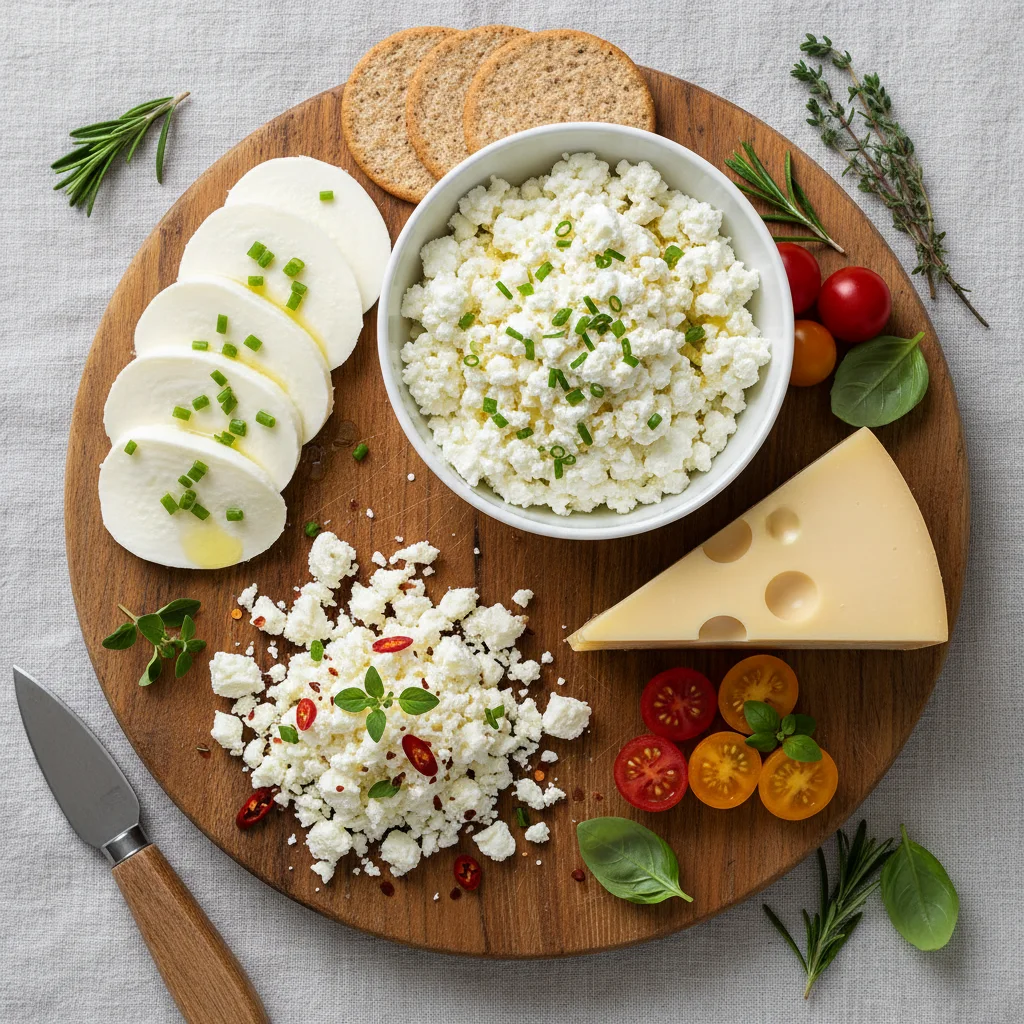
Moreover, the moisture content plays a crucial role. Cheeses with higher water content, like cottage cheese or fresh mozzarella, naturally have a lower calorie density than aged, hard cheeses. Therefore, understanding these factors can help you make smarter choices.
Top Picks: A Comparison of Low Calorie Cheeses
The table below compares popular low calorie cheese options, based on a standard one-ounce (28g) serving for solid cheeses and a 1/2 cup (113g) serving for soft varieties like cottage cheese.
| Cheese Type | Calories (per serving) | Total Fat (g) | Protein (g) | Key Features & Best Uses |
|---|---|---|---|---|
| Non-Fat Cottage Cheese | ~80 | 0-1 | 14 | High-protein, creamy. Ideal for snacks, dips, or best powder supplements for gut health. |
| Part-Skim Mozzarella | ~72 | 4.5 | 7 | Excellent meltability. Perfect for pizza, caprese salad, and sandwiches. |
| Reduced-Fat Feta | ~60 | 4 | 5 | Tangy and crumbly. Great for salads, grain bowls, and omelets. |
| Neufchâtel | ~70 | 6 | 3 | Cream cheese alternative. Spread on bagels or use in frostings. |
| Low-Fat Swiss | ~90 | 2.5 | 8 | Nutty flavor with fewer holes. Excellent for sandwiches and cheese plates. |
| Grated Parmesan (Hard) | ~110 | 7 | 10 | Intense flavor, so you use less. Sprinkle over pasta, soups, and salads. |
Nutritional Benefits Beyond Calories
Choosing low calorie cheese isn’t just about weight management; it also offers specific health advantages. Primarily, cheese is an excellent source of high-quality protein and calcium, which are vital for muscle maintenance and bone health. Additionally, many varieties provide essential nutrients like vitamin B12 and phosphorus.
However, it’s crucial to read labels. Some processed “diet” cheeses may contain added starches or gums to improve texture, which can increase carbohydrate content. For a holistic approach to wellness that includes digestive health, you might explore resources like our review of the Advanced Mitochondrial Formula.
How to Incorporate Low Calorie Cheese into Your Diet
Integrating these cheeses into your meals is simple and delicious. Here are three practical strategies:
1. Master the Art of the Swap
Replace full-fat cheddar in your omelet with part-skim mozzarella. Use blended cottage cheese to create a creamy, high-protein base for pasta sauces instead of heavy cream. These swaps cut calories while boosting protein.
2. Leverage Flavorful Garnishes
Use strongly flavored, hard cheeses like Parmesan or Romano sparingly. Because they are so potent, a small amount provides a big flavor impact for minimal calories. Similarly, a sprinkle of reduced-fat feta can transform a simple salad.
3. Create Balanced Snacks
Pair a serving of low-fat cottage cheese with fruit for a balanced snack. Alternatively, top whole-grain crackers with a slice of low-fat Swiss and turkey for a satisfying mini-meal. For more structured dietary plans, such as a plant-based approach, you can find inspiration in our guide to 9 vegan keto diet plans.
What to Look For When Shopping
When selecting a low calorie cheese, always check the nutrition facts label. Compare calories, fat, and protein per serving. Furthermore, scan the ingredient list. Ideally, the list should be short, containing mainly milk, cultures, enzymes, and salt. Be cautious of products with long lists of additives.
Additionally, consider your culinary needs. A cheese that melts well (like mozzarella) is essential for cooking, while a crumbly cheese (like feta) is better for salads.
The Bottom Line
Ultimately, you don’t have to give up cheese to maintain a healthy diet. By choosing low calorie cheese varieties strategically and practicing portion control, you can enjoy its rich flavors and nutritional benefits guilt-free. Remember, the key is to select natural, minimally processed options and use them to enhance, rather than dominate, your meals. For more insights into making informed choices about health products, you can read our disclosure about commissions.

