
Cold Pressed Olive Oil Benefits & Selection
The Complete Guide to Cold Pressed Olive Oil: Benefits, Uses, and Selection
For centuries, olive oil has been a cornerstone of healthy diets, particularly within the celebrated Mediterranean lifestyle. Among the various types available, cold pressed olive oil stands out as a premium, minimally processed option that retains the fruit’s natural goodness. But what exactly does “cold pressed” mean, and why does it matter for your health and cooking? This comprehensive guide will explore the unique production process, the substantial health benefits, and provide practical tips for choosing and using this liquid gold.
What is Cold Pressed Olive Oil? Understanding the Process
The term “cold pressed” refers to a specific, traditional method of extraction. Firstly, ripe olives are crushed into a paste using mechanical millstones or steel drums. This paste is then spread onto fiber disks, which are stacked and subjected to immense pressure. Consequently, the oil and water naturally present in the olives are squeezed out. The critical factor is temperature: to be labeled “cold pressed,” this mechanical process must not exceed 27°C (80.6°F).
This temperature control is vital because heat can degrade the oil’s delicate flavor compounds and, more importantly, its nutritional profile. By avoiding high heat, the method preserves the oil’s natural antioxidants, vitamins, and polyphenols. Moreover, this process is a hallmark of extra virgin olive oil (EVOO), which represents the highest quality grade. Therefore, when you see “cold pressed extra virgin olive oil,” you are getting a product from the first pressing, without chemical solvents, and processed with minimal heat.
Key Health Benefits of Cold Pressed Olive Oil
Choosing cold pressed olive oil, specifically extra virgin, is one of the simplest and most delicious decisions you can make for your well-being. Its benefits are supported by extensive research, including studies cited by authorities like the National Institutes of Health (NIH).
1. Rich in Heart-Healthy Monounsaturated Fats
Cold pressed EVOO is predominantly composed of oleic acid, a monounsaturated fat. This type of fat is renowned for supporting cardiovascular health. Specifically, it can help reduce inflammation and may have beneficial effects on genes linked to cancer. Additionally, monounsaturated fats are quite resistant to high heat, making this oil a stable choice for cooking.
2. Packed with Powerful Antioxidants
The cold extraction process preserves bioactive compounds like vitamin E and polyphenols, such as oleocanthal. These substances act as potent antioxidants, helping to combat oxidative stress in the body. Oxidative stress is a driver of aging and many diseases. For instance, oleocanthal has anti-inflammatory properties similar to ibuprofen. Furthermore, a diet rich in antioxidants supports overall cellular health.
3. Supports Brain and Cognitive Function
Regular consumption of high-quality olive oil is linked to brain health. The antioxidants in cold pressed oil may help protect brain cells from damage caused by free radicals. Moreover, some studies suggest it can improve learning and memory, and may even play a role in protecting against cognitive decline.
4. Promotes Healthy Digestion and Gut Health
The anti-inflammatory properties of cold pressed olive oil can be soothing to the digestive tract. It may also support a healthy balance of gut bacteria. For those looking to further support their digestive system, exploring targeted supplements can be beneficial. You can learn more about this approach in our guide to the best powder supplements for gut health.
Cold Pressed vs. Other Olive Oil Types: A Clear Comparison
To make an informed choice, it’s essential to understand how cold pressed olive oil differs from other common types on the shelf.
| Feature | Cold Pressed (Extra Virgin) | Refined Olive Oil (Often labeled as “Pure” or “Light”) | Olive Pomace Oil |
|---|---|---|---|
| Extraction Method | Mechanical pressing at <27°C (80.6°F) | Uses heat and/or chemical solvents | Extracted from leftover pulp using solvents |
| Processing Level | Minimal, physical only | High; refined to neutralize flaws | Very high; heavily refined and blended |
| Flavor & Aroma | Distinct, fruity, peppery, varies by region | Very mild, neutral, sometimes bland | Neutral, no distinct olive flavor |
| Nutrient Retention | High in antioxidants, vitamins, polyphenols | Low; refining removes most compounds | Very Low |
| Best Used For | Salad dressings, dipping, low-medium heat cooking | Medium-high heat cooking, baking | High-heat commercial frying |
| Price Point | Higher | Lower | Lowest |
As shown, cold pressed extra virgin olive oil is the least processed and most nutrient-dense option. Conversely, refined oils sacrifice flavor and nutrients for a higher smoke point and longer shelf life.
How to Select and Store Your Cold Pressed Olive Oil
Selecting a high-quality bottle requires a bit of savvy. Here’s what to look for:
1. Read the Label Carefully: Prioritize bottles labeled “Extra Virgin” and “Cold Pressed” or “Cold Extracted.” Check for a harvest date rather than just a “best by” date; oil is best consumed within 18-24 months of harvest.
2. Opt for Dark Glass or Tin: Light accelerates oxidation, which degrades oil. Therefore, always choose oil packaged in dark green glass bottles or opaque tins.
3. Consider the Origin: Single-origin oils from a specific country or region often have more traceable and quality-controlled production practices.
4. Store It Properly: Once home, keep your oil in a cool, dark cupboard away from the stove and sunlight. Heat, light, and air are its biggest enemies. Proper storage is as crucial as proper selection for maintaining those beneficial antioxidants.
Culinary Uses: Maximizing Flavor and Nutrition
To fully enjoy the benefits of your cold pressed oil, use it appropriately:
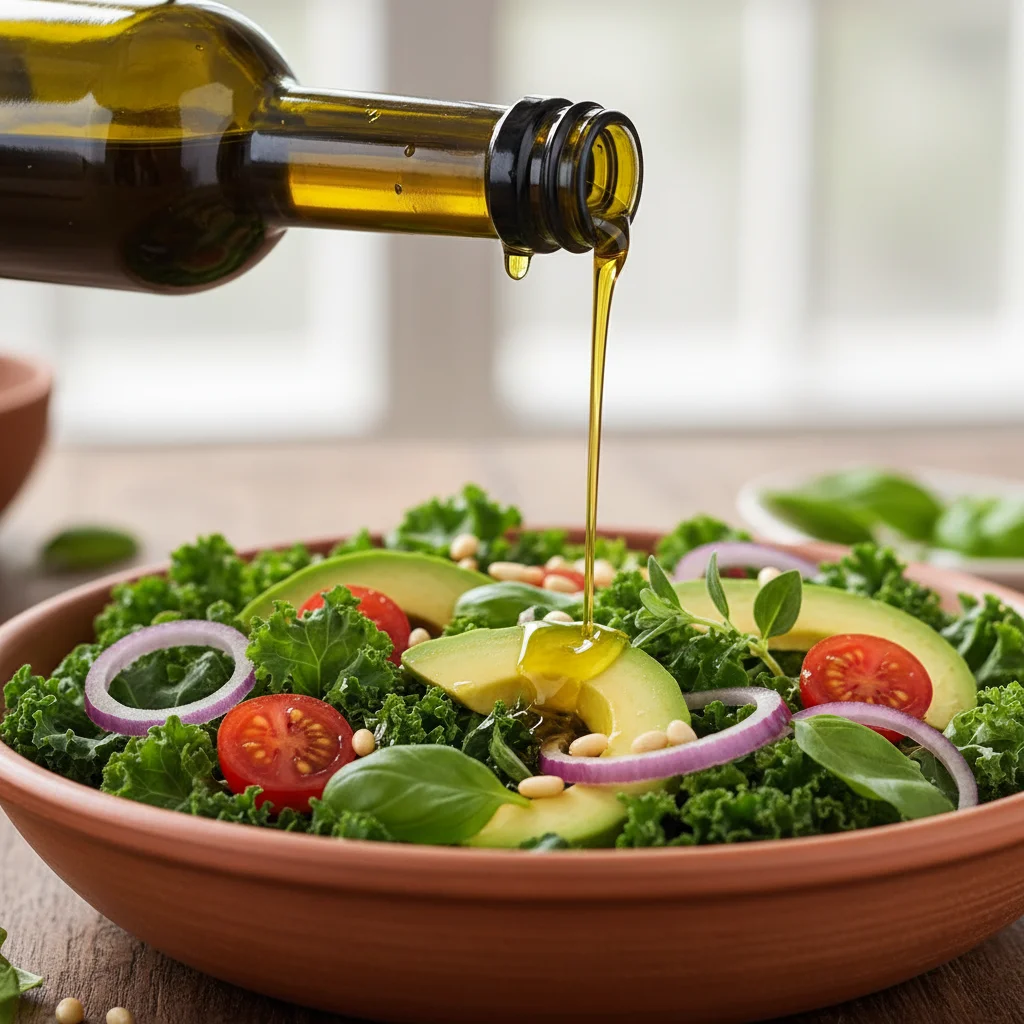
- Uncooked Applications: This is where it shines. Drizzle it over finished dishes, use it in salad dressings, or as a dip for bread.
- Low to Medium-Heat Cooking: It is perfectly safe for sautéing, roasting, and light pan-frying. Its smoke point is typically around 375°F (190°C).
- Avoid High-Heat Frying: For deep-frying or searing at very high temperatures, a more refined oil with a higher smoke point is a better choice.
Frequently Asked Questions
Is cold pressed olive oil the same as extra virgin?
Almost always, yes. “Extra Virgin” is a quality grade, and “cold pressed” describes the extraction method. The highest quality EVOO is typically cold pressed. However, you should always check both terms are on the label.
Can I use it for frying?
Yes, but for gentle pan-frying or sautéing over medium heat. Its stability makes it suitable for these methods. However, for prolonged deep-frying, choose a different oil.
Why is it more expensive?
The cold press process is slower and yields less oil than industrial, heat-assisted methods. Furthermore, the standards for extra virgin grading are very strict, requiring perfect fruit and flawless production, which adds to the cost.
Does it help with inflammation?
Absolutely. The compound oleocanthal in high-quality EVOO has demonstrated strong anti-inflammatory properties. Incorporating it into your diet can be part of a holistic approach to managing inflammation, much like understanding the role of specific nutrients, such as the antioxidants for prostate health discussed in other wellness contexts.
The Final Verdict
In conclusion, cold pressed extra virgin olive oil is a superior culinary and nutritional choice. Its meticulous production preserves a wealth of health-promoting compounds that are lost in more refined oils. By selecting a quality bottle, storing it correctly, and using it in ways that highlight its flavor, you invest not only in the taste of your food but also in your long-term health. Therefore, make it a staple in your pantry and enjoy the simple, profound benefits of this ancient, golden treasure.