
Tea Ginkgo Benefits & Side Effects Guide
Tea Ginkgo: A Deep Dive into the Ancient Brain-Boosting Brew
For centuries, traditional healers have turned to the natural world for remedies, and few botanicals have garnered as much modern interest as the Ginkgo biloba tree. Its distinctive fan-shaped leaves are not just a symbol of resilience but a source of a powerful herbal extract. When these leaves are steeped, they create tea ginkgo, a beverage celebrated for its potential cognitive and circulatory benefits. This post will explore everything you need to know about ginkgo tea, from its historical roots to the science behind its purported effects.
What is Ginkgo Biloba Tea?
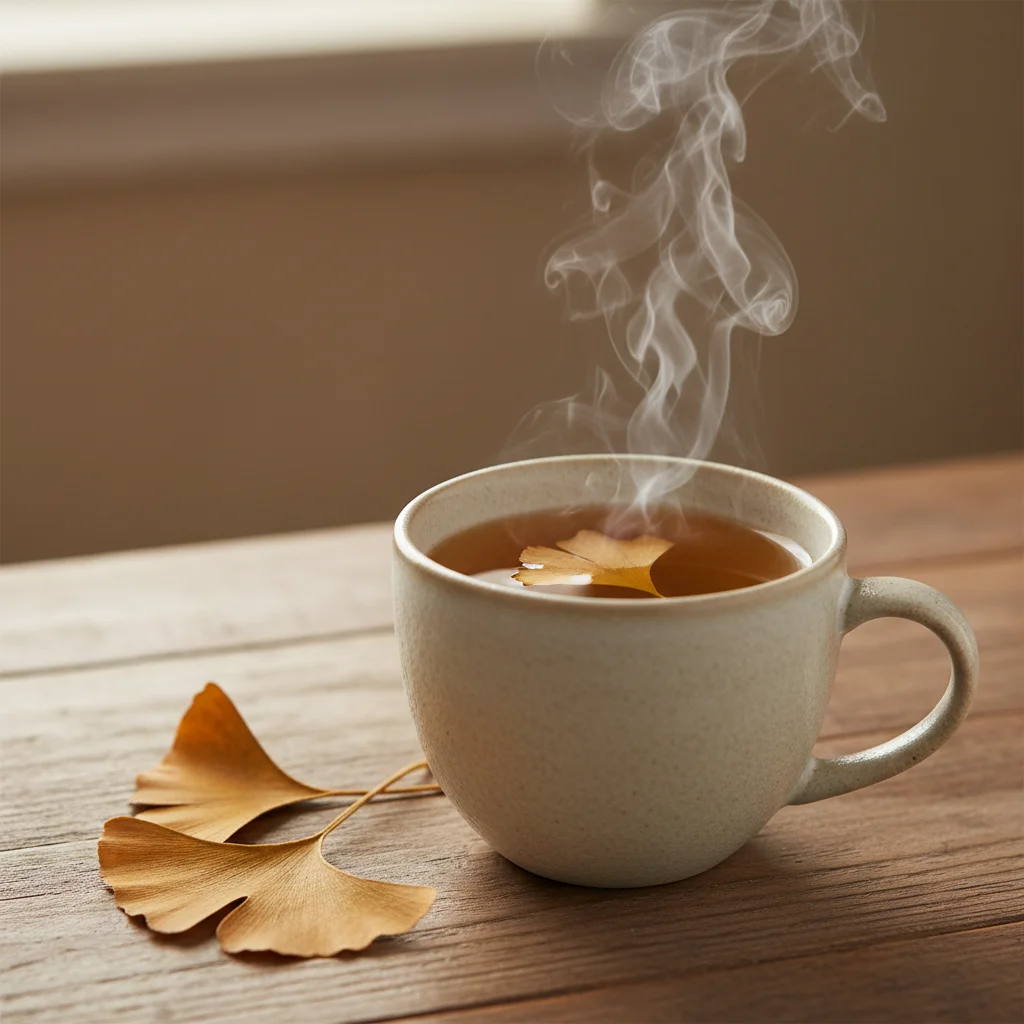
Ginkgo biloba is often called a “living fossil,” as it is the last surviving species of an ancient group of trees. Consequently, its use in traditional Chinese medicine dates back thousands of years. Ginkgo tea is prepared by steeping the dried leaves of this tree in hot water. Unlike consuming the raw nut or seed, which can be toxic, tea made from the processed leaves is generally considered safe for most adults. The brewing process extracts beneficial compounds, primarily flavonoids and terpenoids, which are believed to be responsible for its health effects.
Potential Health Benefits of Ginkgo Tea
The reputation of ginkgo tea largely stems from its concentrated extract, which is one of the most widely studied herbal supplements in the world. While drinking the tea provides a milder dose, it may offer similar supportive benefits.
1. Cognitive Function and Brain Health
Ginkgo is perhaps most famous for its association with brain health. The compounds in ginkgo are thought to improve blood flow to the brain and act as antioxidants. Some studies suggest it may support memory and mental processing, especially related to age-related cognitive decline. For a broader look at cognitive support, you can explore our guide on the best brain health supplements.
2. Circulation and Blood Flow
By promoting vasodilation and reducing blood viscosity, ginkgo may enhance circulation throughout the body. This improved blood flow is the foundational mechanism behind many of its benefits, potentially aiding everything from eye health to leg discomfort caused by circulatory issues.
3. Antioxidant Support
The flavonoids in ginkgo tea are potent antioxidants. They help neutralize harmful free radicals, which are unstable molecules that can cause oxidative stress and damage cells. This antioxidant activity is a key reason ginkgo is considered a supportive herb for overall vitality.
How to Prepare Ginkgo Biloba Tea
Preparing ginkgo tea is a simple process, much like making any herbal infusion. For the best results, follow these steps:
- Source Quality Leaves: Use commercially prepared, dried ginkgo biloba leaves from a reputable supplier to ensure safety and potency.
- Heat Water: Bring fresh water to a near-boil (about 200°F or 93°C). Avoid using rolling boiling water, as it can degrade some delicate compounds.
- Steep: Place 1-2 teaspoons of dried ginkgo leaves in a tea infuser or pot. Pour the hot water over the leaves and cover. Let it steep for 5-10 minutes.
- Strain and Serve: Strain the leaves from the liquid. The tea will have a light yellow-green color and a mildly bitter, earthy flavor. You may add honey or lemon to taste.
Important Considerations and Side Effects
While ginkgo tea is generally safe, it is not without considerations. Firstly, it’s crucial to understand potential side effects and interactions.
Potential Side Effects:
* Mild stomach upset
* Headache
* Dizziness
* Allergic skin reactions
Critical Interactions and Warnings:
Ginkgo may act as a blood thinner. Therefore, it should not be combined with anticoagulant or antiplatelet drugs (like warfarin, aspirin, or ibuprofen) without medical supervision, as this increases the risk of bleeding. Moreover, individuals scheduled for surgery should discontinue use at least two weeks prior. Pregnant or breastfeeding women and people with epilepsy should avoid ginkgo.
Ginkgo Tea vs. Other Herbal Teas
How does ginkgo tea compare to other popular herbal infusions? The table below highlights key differences.
| Tea Type | Primary Known Benefits | Flavor Profile | Common Use |
|---|---|---|---|
| Ginkgo Biloba Tea | Cognitive support, circulation, antioxidant | Earthy, slightly bitter | Brain health, focus |
| Peppermint Tea | Digestive aid, headache relief, energy | Cool, minty, refreshing | After meals, digestion |
| Chamomile Tea | Relaxation, sleep aid, mild sedation | Floral, sweet, apple-like | Before bedtime, stress relief |
| Green Tea | Metabolism, antioxidant (catechins), alertness | Grassy, vegetal, umami | Morning energy, general wellness |
The Scientific Perspective: What Does Research Say?
The scientific community has conducted extensive research on standardized Ginkgo biloba extract (GBE). According to a comprehensive review published by the National Institutes of Health (NIH), evidence for ginkgo’s benefit in treating dementia or Alzheimer’s disease is inconsistent and not conclusive. However, some studies show modest improvements in cognitive function or quality of life for those with mild impairment. Importantly, most rigorous studies use high-dose, standardized extracts, not tea. Consequently, while the tea may offer supportive benefits, it should not be viewed as a treatment for medical conditions.
Final Thoughts on Tea Ginkgo
Ginkgo biloba tea represents an accessible way to incorporate the historic benefits of this ancient tree into your wellness routine. Its potential to support brain function and circulation is backed by a long history of use and intriguing scientific study. However, it is vital to approach it with realistic expectations and a focus on safety, particularly regarding drug interactions. Always consult with a healthcare provider before adding any new herbal supplement to your regimen, especially if you have underlying health conditions or take medications. When used wisely, a cup of ginkgo tea can be a thoughtful addition to a holistic approach to health.

