
Tea Thistle: Benefits & How to Brew
Tea Thistle: A Soothing Brew for Wellness
You may be familiar with milk thistle as a popular herbal supplement, often taken in capsule form. However, a gentler, more traditional way to harness its properties is by sipping it as an herbal tea. Tea thistle, typically made from the roasted or raw seeds of the Silybum marianum plant, offers a unique and soothing entry point into the world of herbal remedies. This infusion is celebrated not just for its potential health benefits but also for its earthy, slightly nutty flavor profile. Let’s steep ourselves in the details of what makes tea thistle a noteworthy addition to your wellness routine.
What is Tea Thistle?
Tea thistle is an herbal infusion prepared primarily from the seeds of the milk thistle plant. Historically, all parts of this prickly plant—including the leaves and roots—have been used in various preparations. The seeds, however, are the most concentrated source of the bioactive compound complex known as silymarin. Consequently, tea made from these seeds is sought after for its potential therapeutic effects. It’s important to distinguish this from other herbal teas; tea thistle is naturally caffeine-free and belongs to the category of herbal tisanes.
Potential Health Benefits of Drinking Thistle Tea
The interest in tea thistle stems largely from the purported benefits of silymarin. While drinking the tea may provide a lower concentration of these compounds compared to standardized extracts, it remains a popular holistic practice. Here are some of the key areas where tea thistle is commonly believed to offer support.
Liver Support and Detoxification
This is the most traditional and well-researched area of milk thistle’s use. Silymarin is thought to help protect liver cells from damage and support the organ’s natural detoxification processes. Therefore, a cup of tea thistle is often recommended as a complementary practice for overall liver health, especially after periods of dietary indulgence. For a broader look at supporting your body’s systems, you might explore our guide on blood sugar levels, as metabolic health is closely linked to liver function.
Rich in Antioxidants
Silymarin and other compounds in milk thistle seeds exhibit antioxidant properties. Antioxidants are crucial because they help combat oxidative stress caused by free radicals, which can damage cells. Regularly consuming antioxidant-rich beverages like tea thistle may contribute to reducing this cellular stress.
May Promote Skin Health
Some preliminary research and traditional use suggest that the anti-inflammatory and antioxidant effects of silymarin can benefit the skin. Consequently, some believe that drinking the tea may help with conditions like acne or contribute to a clearer complexion.
Digestive Comfort
Historically, bitter herbs like milk thistle have been used to aid digestion. A warm cup of tea thistle after a meal may help stimulate digestive juices, potentially easing feelings of fullness or bloating.
The table below summarizes these key potential benefits:
| Potential Benefit | Primary Active Compound | Proposed Mechanism |
|---|---|---|
| Liver Protection | Silymarin | May help shield liver cells from toxins and support regeneration. |
| Antioxidant Support | Silymarin, Flavonoids | Scavenges free radicals to reduce oxidative stress in the body. |
| Skin Health | Silymarin | Anti-inflammatory and antioxidant effects may improve skin conditions. |
| Digestive Aid | Bitter Compounds | May stimulate bile production and soothe the digestive tract. |
How to Brew the Perfect Cup of Tea Thistle
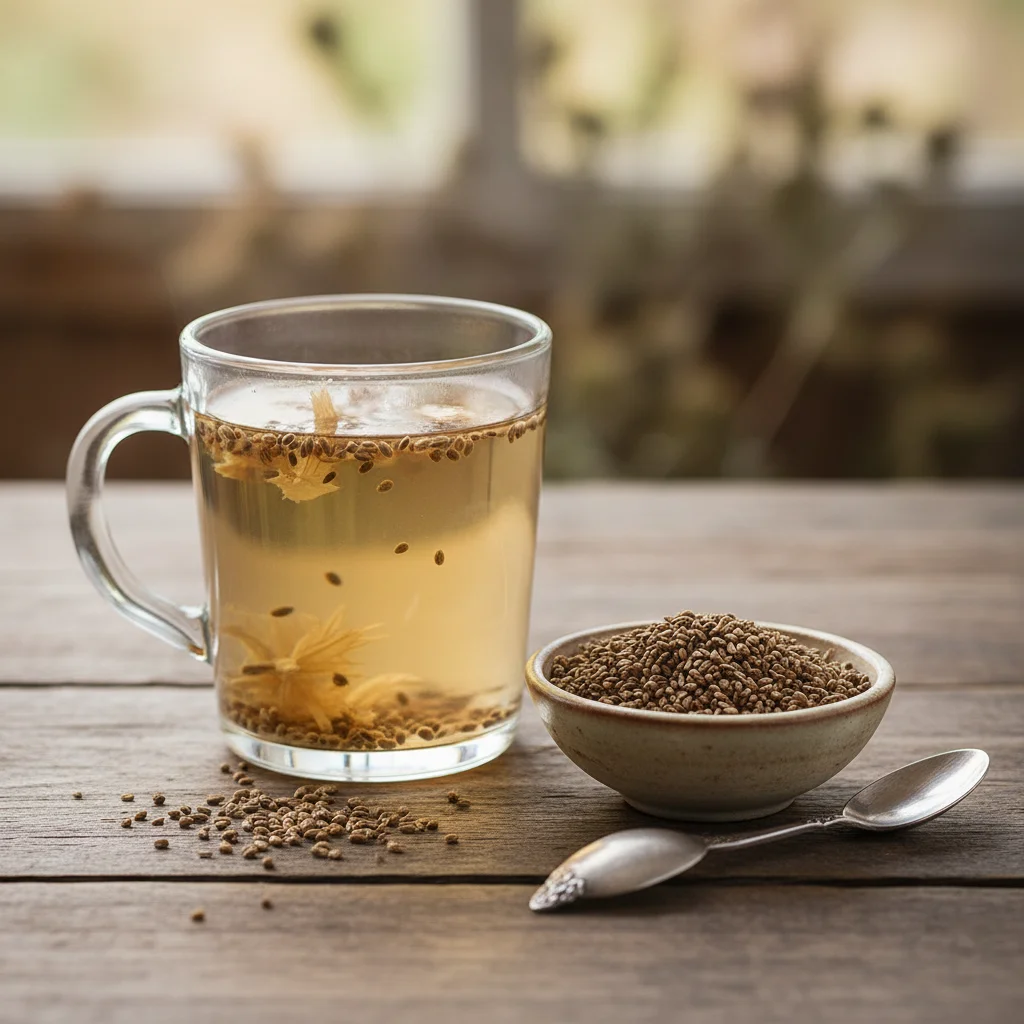
Brewing tea thistle correctly can enhance both its flavor and the extraction of beneficial compounds. Here is a simple, effective method.
- Start with Quality Seeds: Use whole or crushed milk thistle seeds. You can find them in health food stores or online. Roasted seeds will yield a deeper, toastier flavor.
- Measure: Use approximately one teaspoon of seeds per cup (8 oz) of water.
- Heat Water: Bring fresh water to a boil.
- Steep: Place the seeds in a teapot or infuser, pour the boiling water over them, and cover. Let it steep for 10-15 minutes. A longer steep time is recommended because it helps extract the compounds from the hard seeds.
- Strain and Serve: Strain the tea into your cup. You can enjoy it as is, or add a touch of honey, lemon, or mint for flavor.
Important Considerations and Side Effects
While tea thistle is generally considered safe for most people, there are critical factors to keep in mind.
- Possible Side Effects: Some individuals may experience mild digestive upset, such as diarrhea or a laxative effect, especially when first introducing it.
- Allergies: Because milk thistle is part of the Asteraceae/Compositae family (which includes ragweed, marigolds, and daisies), individuals with allergies to these plants should exercise caution.
- Drug Interactions: Silymarin may interact with certain medications. Most notably, it could potentially affect how the liver processes drugs, including some statins, antipsychotics, and cancer therapies. Always consult with a healthcare provider before starting any new herbal regimen, particularly if you have a pre-existing condition or are taking medication.
- Pregnancy and Nursing: Due to limited safety data, it is typically advised that pregnant or breastfeeding women avoid using milk thistle products unless under direct medical supervision.
Tea Thistle vs. Other Supplements
You might wonder how drinking the tea compares to taking a supplement. Moreover, understanding your options can help you make an informed choice.
- Tea Thistle (Infusion): Provides a broad spectrum of the plant’s compounds in a gentle, hydrating form. The concentration of silymarin is lower, making it a good choice for daily, supportive wellness.
- Standardized Extracts (Capsules/Tablets): Deliver a concentrated, measured dose of silymarin (e.g., 70-80%). These are often used for targeted, therapeutic purposes under guidance.
- Other Herbal Blends: Tea thistle is sometimes blended with other supportive herbs like dandelion root or artichoke leaf for enhanced liver and digestive support. For instance, exploring a medicinal garden kit could be a way to grow your own herbs for such custom blends.
Frequently Asked Questions (FAQs)
Q: Can I drink tea thistle every day?
A: For most healthy adults, drinking one to two cups daily is considered safe. However, it’s wise to listen to your body and consider taking occasional breaks, such as cycling one month on and one week off.
Q: Where can I buy milk thistle seeds for tea?
A: You can find them at well-stocked health food stores, specialty tea shops, or from reputable online retailers. Ensure you are purchasing from a source that sells them specifically for culinary or tea use.
Q: Does tea thistle tea taste good?
A: Taste is subjective. It has an earthy, slightly bitter, and nutty flavor—somewhat similar to a mild green tea or dandelion root coffee. Adding a natural sweetener or lemon can make it more palatable if you find the flavor too strong.
Q: How long does it take to see benefits?
A: Herbal teas work gently and cumulatively. Because they are not pharmaceutical drugs, any benefits are typically subtle and supportive. Consistency is key; you may notice general feelings of improved well-being over several weeks of regular use.
In conclusion, tea thistle presents a time-honored, gentle approach to incorporating the wellness properties of milk thistle into your daily life. While it should not replace medical treatment, it can be a valuable part of a holistic health strategy focused on support and prevention. As with any herbal supplement, prioritize quality, consult a professional for personalized advice, and enjoy the simple ritual of brewing a cup for your well-being.

