
Clementines vs Tangerines: Differences & Uses
Clementines vs Tangerines: Your Guide to Telling Them Apart
Walking through the produce aisle, you’ll often see small, orange citrus fruits labeled as clementines, tangerines, or even “cuties” and “sweeties.” While they look similar, they are distinct varieties with unique characteristics. Understanding the difference between clementines and tangerines can help you choose the right fruit for your snack, recipe, or nutritional goals. This guide will break down everything you need to know.
What Are Tangerines?
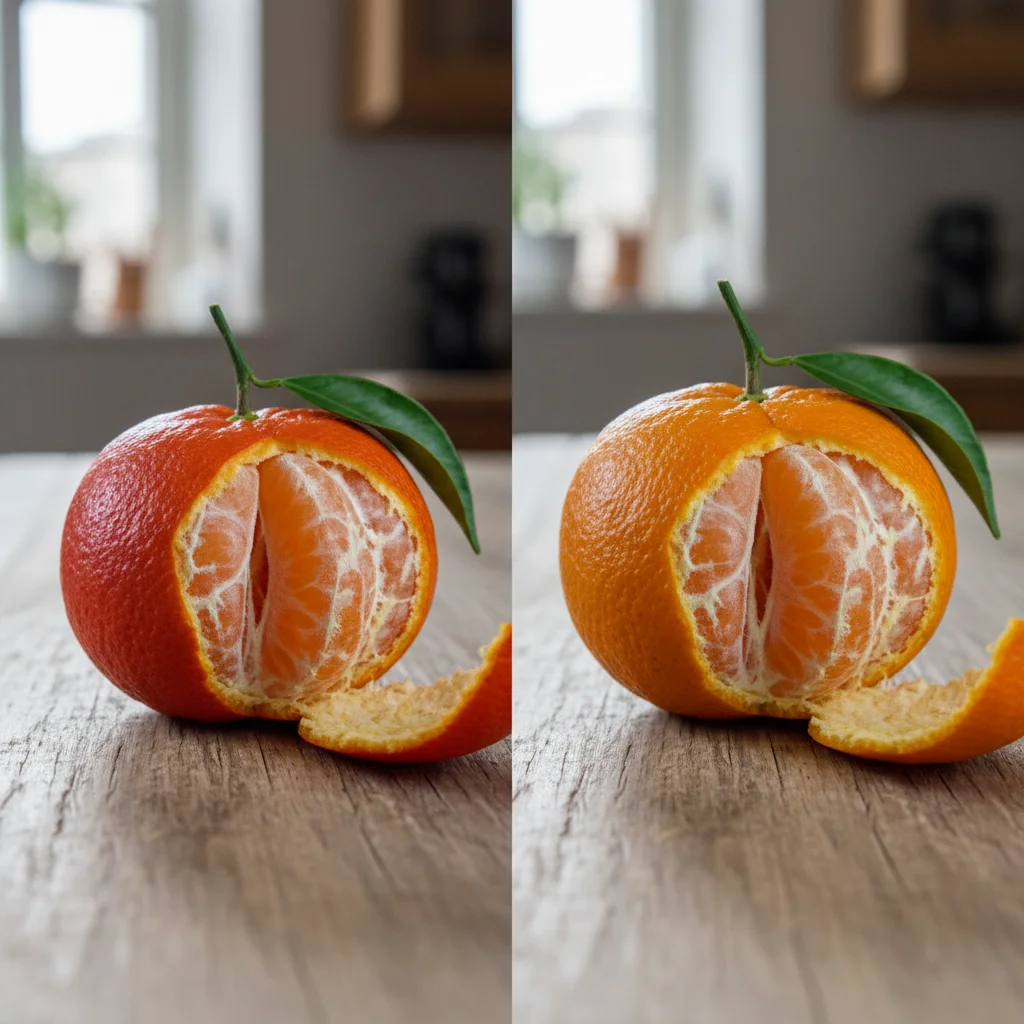
Firstly, it’s important to establish a baseline. Tangerines are a specific type of mandarin orange (Citrus reticulata). They are one of the oldest and most recognizable mandarin varieties. Characterized by their deep orange, sometimes reddish hue, tangerines have a pebbly skin that is typically looser and easier to peel than an orange. Their flavor is often described as tangy and tart, though still sweet, with a notable citrus aroma.
What Are Clementines?
Conversely, clementines are a hybrid variety, believed to be a cross between a mandarin and a sweet orange. They are a subgroup of mandarins, much like tangerines. Clementines are known for their exceptionally smooth, glossy, and tight skin, which is still very easy to peel. They are almost always seedless (or contain very few seeds) and are celebrated for their super-sweet, mildly acidic, and less tangy flavor profile. Many of the popular branded “snacking” fruits are clementines.
Key Differences at a Glance
The table below summarizes the primary distinctions between these two citrus favorites.
| Feature | Clementine | Tangerine |
|---|---|---|
| Origin | Hybrid (Mandarin x Sweet Orange) | A specific variety of Mandarin |
| Peel & Skin | Smooth, glossy, tight | Pebbly, loose, often dimpled |
| Color | Bright, solid orange | Deep orange, sometimes reddish |
| Flavor | Very sweet, mild, low acidity | Sweet-tart, tangy, stronger flavor |
| Seeds | Typically seedless | Often contains seeds |
| Size | Generally smaller | Slightly larger |
| Season | Late Fall to Mid-Winter (Nov-Jan) | Late Fall through Spring (Nov-Apr) |
Nutritional Showdown: Health Benefits
Both fruits are powerhouse additions to a healthy diet, offering a wealth of vitamins, minerals, and antioxidants. Because they are closely related, their nutritional profiles are very similar, but subtle differences exist.
Shared Nutritional Power
Primarily, both are excellent sources of:
* Vitamin C: Crucial for immune function, skin health, and collagen synthesis. A single fruit can provide a significant portion of your daily needs.
* Fiber: Promotes digestive health and helps regulate blood sugar levels. The white pith (mesocarp) is particularly rich in fiber.
* Antioxidants: Including flavonoids and carotenoids (which give them their orange color), these compounds combat oxidative stress and inflammation.
* Folate and Potassium: Important for cell function and heart health.
For a deeper understanding of how diet affects bodily metrics, you can explore our comprehensive guide on understanding blood sugar levels.
Subtle Nutritional Variations
The main nutritional difference often comes down to sugar and acid content. Because clementines are sweeter, they may have a slightly higher natural sugar content per gram. Tangerines, with their tangier profile, may have marginally more citric acid. However, these differences are minimal, and both remain low-calorie, nutrient-dense snacks.
How to Choose, Store, and Use Them
Selecting the right fruit and using it properly can enhance your culinary experience.
Choosing: Look for fruits that feel heavy for their size, indicating juiciness. The skin should be firm, not puffy or shriveled. A fragrant smell is a good indicator of ripeness.
Storing: Keep them at room temperature for short-term use (a few days) or in the refrigerator crisper drawer for up to two weeks.
Culinary Uses:
* Clementines: Their sweet, mild flavor makes them perfect for eating fresh, adding to lunchboxes, or using in fruit salads where you don’t want tartness to dominate. They are also great in sweet desserts.
* Tangerines: Their bold, tangy flavor holds up well in cooking and baking. Use the zest or juice in marinades for chicken or fish, in vibrant salad dressings, or in baked goods like muffins and cakes where a pronounced citrus note is desired. Their zest is particularly aromatic.
Moreover, the vitamin C in both fruits can aid in immune support. If you’re feeling under the weather, pairing one with a soothing cup of chamomile tea can be a comforting remedy.
Final Verdict: Which One Should You Buy?
Therefore, the choice between clementines and tangerines ultimately depends on your personal preference and intended use.
- Choose Clementines if: You want a reliably sweet, seedless, and easy-to-peel snack for kids or on-the-go eating. They are the “user-friendly” option.
- Choose Tangerines if: You enjoy a more complex, tart-sweet citrus flavor, don’t mind seeds, and plan to use the zest or juice in recipes.
In conclusion, you can’t go wrong with either. Both clementines and tangerines offer a delicious and healthy way to enjoy the benefits of citrus. By understanding their unique traits, you can shop smarter and enjoy each fruit to its fullest potential.

