
Monk Fruit in the Raw Guide
Monk Fruit in the Raw: Your Complete Guide to the Natural Sweetener
Are you searching for a natural way to satisfy your sweet tooth without the calories or blood sugar spike? Consequently, you may have encountered Monk Fruit in the Raw, a popular zero-calorie sweetener derived from the luo han guo fruit. This guide will explore everything you need to know about this intriguing sugar substitute, from its origins to its practical uses in your kitchen.
What is Monk Fruit in the Raw?
Monk Fruit in the Raw is a branded product that utilizes extracts from the monk fruit, a small green melon native to Southeast Asia. Historically, it has been used for centuries in traditional Chinese medicine. The sweetness comes from natural compounds called mogrosides, which are extracted to create a potent sweetener. Importantly, the final product contains zero calories and does not impact blood glucose levels, making it a favorite among those managing diabetes or following low-carb diets like keto.
Monk Fruit vs. Other Sweeteners: A Detailed Comparison
Understanding how monk fruit stacks up against other common sweeteners is crucial for making an informed choice. Therefore, let’s break down the key differences.
| Sweetener | Source | Calories per Gram | Glycemic Index | Aftertaste | Common Uses |
|---|---|---|---|---|---|
| Monk Fruit Extract | Monk Fruit (Luo Han Guo) | 0 | 0 | Minimal, sometimes fruity | Baking, beverages, all-purpose |
| Stevia | Stevia Rebaudiana plant leaves | 0 | 0 | Can be bitter or licorice-like | Beverages, some baking |
| Erythritol | Fermented corn or wheat starch | 0.24 | 0 | Cooling sensation | Baking, confectionery |
| Allulose | Found in figs, raisins, maple syrup | 0.4 | 0 | Minimal, very similar to sugar | Baking, caramelization |
| Sucralose (Splenda) | Chemically modified sucrose | 0 | 0 | Can be artificial | Highly processed foods, drinks |
| Table Sugar (Sucrose) | Sugar cane or sugar beets | 4 | 65 | Clean sweetness | Universal cooking & baking |
As the table illustrates, monk fruit offers a unique profile. Moreover, because it is a natural extract with zero glycemic impact, it stands out for health-conscious consumers.
Health Benefits and Potential Considerations
Key Benefits of Choosing Monk Fruit
Firstly, the most celebrated benefit is its zero-calorie and zero-carbohydrate nature. This makes it an excellent tool for weight management and metabolic health. Secondly, it is antioxidant-rich; the mogrosides themselves have been studied for their anti-inflammatory properties. Thirdly, it is tooth-friendly, as it does not contribute to cavities or dental decay like regular sugar.
Furthermore, for individuals looking to support overall wellness, reducing refined sugar intake is a foundational step. Exploring options like antioxidants for prostate health reveals how powerful plant compounds can be, and monk fruit’s mogrosides fit right into that category of beneficial nutrients.
Are There Any Downsides?
Primarily, the main consideration is digestive tolerance. While monk fruit is generally well-received, some sugar alcohols often blended with it (like erythritol in many products) can cause gastrointestinal discomfort in sensitive individuals if consumed in large amounts. Additionally, cost can be a factor, as it is typically more expensive than generic artificial sweeteners.
How to Use Monk Fruit in the Raw in Your Kitchen
Monk Fruit in the Raw is designed to be a cup-for-cup replacement for granulated sugar, which simplifies the substitution process. However, for best results, follow these tips:
- For Baking: Because it provides sweetness but not bulk or caramelization like sugar, you may need to adjust other ingredients. For instance, adding a bit more liquid or a binding agent like applesauce or yogurt can improve texture.
- In Beverages: It dissolves easily in both hot and cold drinks, making it perfect for coffee, tea, and homemade lemonade.
- A Note on Heat: Unlike some artificial sweeteners, monk fruit is heat-stable, so you can confidently use it in cooked and baked goods.
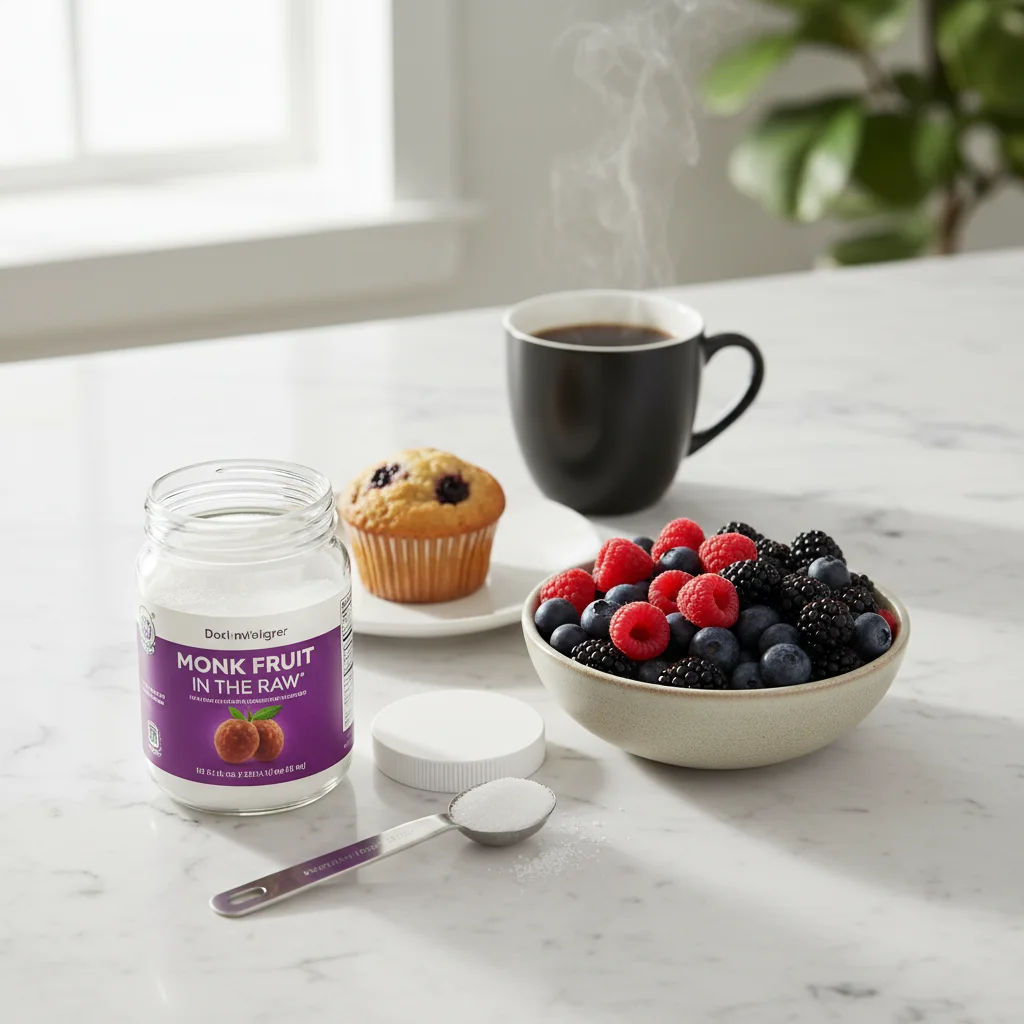
Incorporating Monk Fruit into a Holistic Health Plan
Adopting a natural sweetener like monk fruit is one piece of a larger health puzzle. For example, pairing dietary mindfulness with other wellness strategies can amplify benefits. If you’re interested in supporting cognitive function alongside a healthy diet, you might explore resources on the best brain health supplements to understand a complementary approach to wellness.
Frequently Asked Questions
Is Monk Fruit in the Raw actually raw?
The term “in the Raw” is a brand name. The extraction and drying process involves heat, so it is not “raw” in the uncooked, whole-food sense. However, it contains no artificial ingredients.
Can people with diabetes use it?
Yes. Because monk fruit does not raise blood sugar levels, it is considered a safe sweetener for people with diabetes. Nevertheless, always consult with your healthcare provider about major dietary changes.
Where can I buy it?
You can find Monk Fruit in the Raw in the baking aisle of most major grocery stores, health food stores, and online retailers.
Final Thoughts
In conclusion, Monk Fruit in the Raw presents a compelling, natural alternative to sugar and artificial sweeteners. Its zero-calorie profile, lack of glycemic impact, and origin from a whole fruit make it a standout choice. Therefore, whether you’re baking, sweetening your morning coffee, or simply seeking to reduce refined sugar, this sweetener is certainly worth experimenting with in your pursuit of a healthier lifestyle.

