
4 Castor Carrier Oil Benefits, Uses and Safety Guide
The Complete Guide to Castor Carrier Oil: Benefits, Uses, and Safety
Castor carrier oil, derived from the seeds of the Ricinus communis plant, is a versatile and potent staple in natural wellness and skincare. Unlike many other carrier oils, it possesses a unique chemical profile, primarily rich in ricinoleic acid, which grants it distinctive therapeutic properties. Consequently, it has been used for centuries in traditional medicine and modern cosmetic formulations. This guide will explore its multifaceted benefits, practical applications, and essential safety considerations.
What is Castor Carrier Oil?
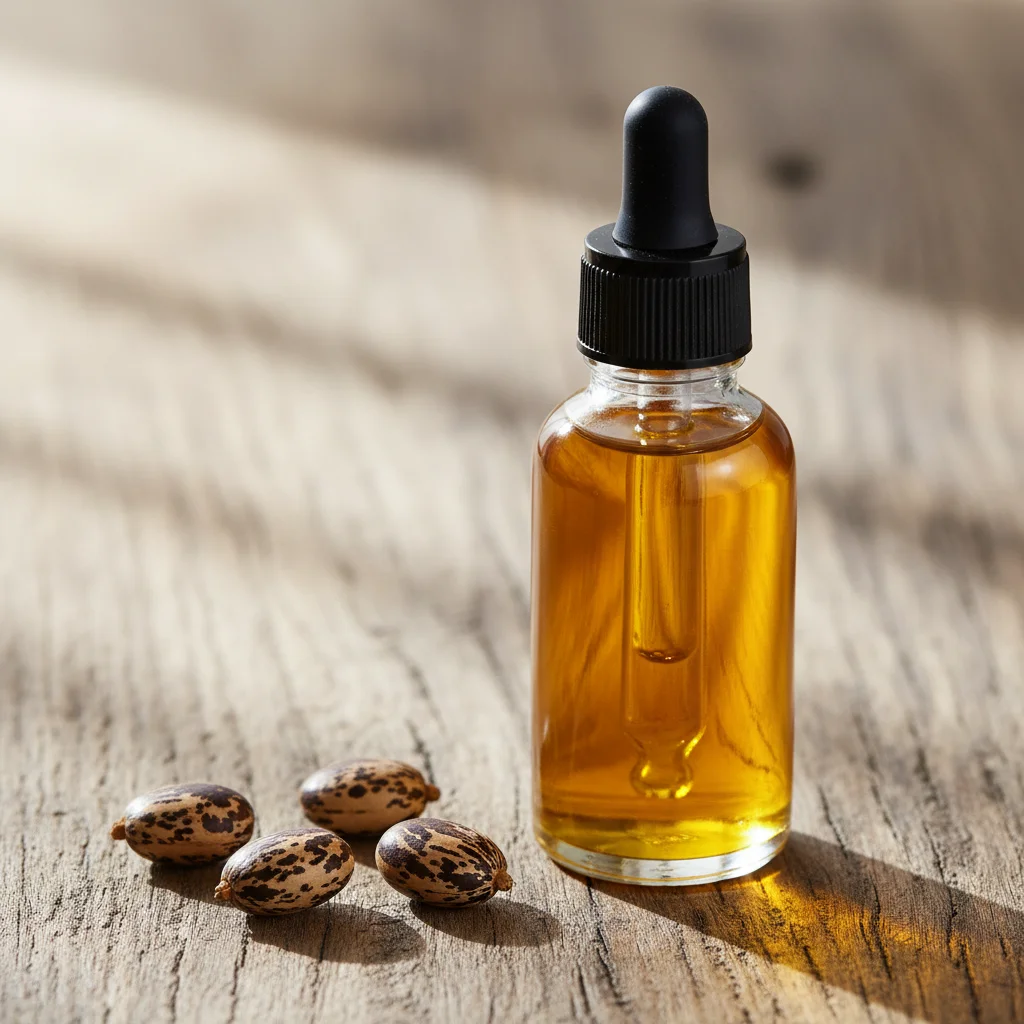
Castor oil is a vegetable oil obtained by cold-pressing the seeds of the castor bean plant. As a carrier oil, it is used to dilute potent essential oils before topical application, thereby “carrying” them safely onto the skin. Moreover, its thick, viscous consistency and high stability make it a unique base for various formulations. It’s crucial to source hexane-free, cold-pressed castor oil to ensure you receive the purest product without chemical solvents.
Key Components and Properties
The oil’s efficacy is largely attributed to its unusual fatty acid composition. Ricinoleic acid constitutes approximately 85-90% of its content. This monounsaturated fatty acid is renowned for its anti-inflammatory and antimicrobial properties. Additionally, the oil contains smaller amounts of oleic and linoleic acids.
Top Benefits and Uses of Castor Carrier Oil
Castor oil’s benefits span from enhancing personal beauty to supporting minor wellness concerns. Here is a detailed breakdown of its primary uses.
For Skin Health and Care
Firstly, castor oil is a superb moisturizer. Its humectant properties help draw moisture to the skin, making it beneficial for dry areas. Secondly, due to its ricinoleic acid content, it can help reduce inflammation associated with conditions like acne. A small, diluted amount applied to affected areas may help calm redness and swelling. Furthermore, its antimicrobial nature supports skin cleansing.
For Hair and Scalp Nourishment
This oil is a legendary hair treatment. Its ability to moisturize the scalp and strengthen hair follicles may help reduce breakage and support hair thickness. Many people use it in overnight hair masks to combat dryness and add luster. For best results, warm the oil slightly before applying it from roots to ends.
For Eyelash and Eyebrow Enhancement
A popular beauty hack involves using a clean spoolie to apply a tiny amount of castor oil to eyelashes and eyebrows nightly. The nourishing fatty acids can condition the hair follicles, potentially making lashes appear fuller and healthier over time. However, extreme care must be taken to avoid contact with the eyes.
For Supporting Minor Discomfort
Traditionally, castor oil packs—where cloth soaked in the oil is placed on the skin—have been used to soothe abdominal discomfort and support lymphatic drainage. Additionally, its anti-inflammatory properties can be useful for massaging sore joints and muscles. It’s important to note that these are complementary approaches; always consult a healthcare provider for medical issues.
How to Use Castor Oil Safely and Effectively
While beneficial, castor oil’s potency requires mindful application. Here are key guidelines.
Dilution and Patch Testing
Castor oil is very thick and can be comedogenic for some skin types. Therefore, it is often advisable to dilute it with a lighter carrier oil like jojoba or almond oil, especially for facial use. Always conduct a patch test on a small area of your inner arm 24 hours before widespread use to check for any adverse reaction.
Application Methods
| Use Case | Recommended Application Method | Key Consideration |
|---|---|---|
| Hair Mask | Apply warm oil to scalp/hair, cover with a cap, leave for 1-2 hours or overnight, then shampoo. | Can be heavy; may require two washes to remove fully. |
| Facial Moisturizer | Mix 1-2 drops with your regular moisturizer or a lighter oil. | Avoid if you have very oily or acne-prone skin without patch testing. |
| Body Massage | Warm oil in hands and massage into skin. | Its thick texture provides excellent glide for massage. |
| Eyelash/Brow Serum | Apply a minuscule amount with a clean brush along the lash/brow line. | Never apply directly to the eye. |
| Castor Oil Pack | Soak flannel in oil, place on skin, cover with plastic and a hot water bottle for 45-60 mins. | Do not use on broken skin. Discontinue if irritation occurs. |
What to Avoid
Never ingest castor oil unless under direct supervision from a healthcare professional, as it is a powerful laxative. Furthermore, avoid using it on broken or infected skin. Pregnant women should consult their doctor before using castor oil packs or ingesting it.
Potential Side Effects and Contraindications
Despite its natural origin, castor oil is not without potential side effects. The most common issue is skin irritation or allergic contact dermatitis. Consequently, a patch test is non-negotiable. If ingested improperly, it can cause severe digestive cramping, diarrhea, and electrolyte imbalance. Moreover, individuals with certain digestive conditions should avoid it entirely. For comprehensive information on natural remedies and their contexts, you can explore our guide on effective sore throat remedies.
Castor Oil vs. Other Popular Carrier Oils
How does castor oil compare? Its high viscosity and ricinoleic acid concentration set it apart.
* Jojoba Oil: More closely mimics the skin’s sebum; lighter and generally non-comedogenic. Better for daily facial use.
* Coconut Oil: Also thick but highly comedogenic for many. Castor oil may be preferable for targeted, non-facial applications.
* Sweet Almond Oil: Lighter and rich in vitamin E, better for overall body massage and dilution.
In essence, castor oil is a specialist oil, while others like jojoba are more generalists.
Frequently Asked Questions (FAQs)
Q: Can castor oil help with hair growth?
A: It can improve scalp health and reduce breakage, which may lead to the appearance of thicker, longer hair over time by minimizing loss. However, it is not a proven treatment for genetic hair loss.
Q: Is Jamaican Black Castor Oil different?
A: Yes. Jamaican Black Castor Oil (JBCO) is processed by roasting the beans, which gives it a darker color, a distinctive smoky scent, and a slightly higher ash content. Some believe this makes it even more potent for hair growth, although both types are effective.
Q: How should I store castor oil?
A: Store it in a cool, dark place, away from direct sunlight. Properly stored, it has a long shelf life of about 1-2 years.
Q: Can I use it if I have acne?
A: Proceed with caution. Its anti-inflammatory properties may help some, but its thickness can clog pores for others. Dilution and patch testing are critical. For insights into supporting skin and overall health from within, consider reading about antioxidants for prostate health, which highlights the role of nutrients in bodily systems.
Final Thoughts
Castor carrier oil is a powerful, multi-purpose tool in your natural care arsenal. Its profound moisturizing and anti-inflammatory abilities make it exceptional for hair, skin, and targeted therapeutic practices. However, its thickness and potency demand respectful and informed use. Always prioritize dilution, patch testing, and consulting reliable sources or a professional when in doubt. By integrating this ancient oil wisely into your routine, you can harness its unique benefits safely and effectively.


2 thoughts on “4 Castor Carrier Oil Benefits, Uses and Safety Guide”
Comments are closed.