
Pasteurized Goat Cheese Benefits | Faq | Comparisons
Pasteurized Goat Cheese: A Nutritious and Safe Dairy Choice
Goat cheese, with its distinctive tangy flavor and creamy texture, has surged in popularity. However, for many consumers, especially pregnant individuals, young children, and those with compromised immune systems, the safety of dairy products is paramount. Consequently, pasteurized goat cheese emerges as the ideal choice, offering the unique culinary and nutritional benefits of goat’s milk with a significantly reduced risk of foodborne illness. This guide will explore everything you need to know about this versatile cheese.
What is Pasteurized Goat Cheese?
Pasteurized goat cheese is any cheese made from goat’s milk that has undergone pasteurization. This process involves heating the milk to a specific temperature for a set time to eliminate harmful pathogens like Listeria, E. coli, and Salmonella. Therefore, pasteurization is a critical public health intervention that makes dairy products safer for widespread consumption.
All major commercial goat cheese brands use pasteurized milk. You might find unpasteurized (or “raw milk”) varieties at farmers’ markets or specialty shops, but these carry a higher safety risk. For daily use and assured safety, pasteurized is the recommended option.
Health Benefits of Pasteurized Goat Cheese
Choosing pasteurized goat cheese allows you to enjoy its impressive nutritional profile with peace of mind. Here are its key benefits:
- Easier Digestion: Goat’s milk contains different proteins and a higher proportion of smaller fat globules compared to cow’s milk. As a result, many people who experience discomfort with cow’s milk dairy find goat cheese easier to digest.
- Rich in Nutrients: It is an excellent source of several vital nutrients. Notably, it provides a good amount of calcium for bone health, protein for muscle repair, and healthy fats.
- Beneficial Fatty Acids: Goat milk fat includes higher levels of medium-chain fatty acids, which some studies suggest are more easily metabolized by the body for energy.
- Often Lower in Lactose: While not lactose-free, goat cheese typically contains slightly less lactose than cheeses from cow’s milk, which can be beneficial for those with mild sensitivities.
Nutritional Profile at a Glance
The table below outlines the approximate nutritional value for a one-ounce (28g) serving of a standard soft, pasteurized goat cheese (chèvre).
| Nutrient | Amount | % Daily Value (DV) * |
|---|---|---|
| Calories | 103 kcal | – |
| Total Fat | 8.5 g | 11% |
| Saturated Fat | 6 g | 30% |
| Protein | 6 g | 12% |
| Calcium | 84 mg | 6% |
| Vitamin A | 162 IU | 3% |
| Riboflavin (B2) | 0.2 mg | 15% |
| Phosphorus | 96 mg | 8% |
*Percent Daily Values are based on a 2,000 calorie diet.
Pasteurized vs. Unpasteurized: A Critical Safety Comparison
The debate between pasteurized and unpasteurized cheese centers on safety versus artisanal tradition. Here is a direct comparison:
| Feature | Pasteurized Goat Cheese | Unpasteurized (Raw Milk) Goat Cheese |
|---|---|---|
| Safety | High. Heat treatment destroys harmful bacteria. | Lower Risk. Carries a risk of foodborne pathogens. |
| Target Audience | Safe for everyone, including pregnant people, children, & immunocompromised. | Not recommended for at-risk groups. |
| Flavor Profile | Consistent, clean, and tangy. | May have more complex, “terroir-driven” flavors. |
| Availability | Widely available in supermarkets. | Found in specialty stores or directly from farms. |
| Regulation | Required for most commercially sold cheeses. | Sale is restricted or regulated in many regions. |
Public health agencies, including the CDC and FDA, strongly recommend choosing pasteurized dairy products to prevent illness. The safety advantage of pasteurization is unequivocal, especially when considering overall prostate health and general immunity, as a severe infection can strain the entire body. For more on supporting your body’s defenses through nutrition, explore our guide on the best powder supplements for gut health.
How to Use Pasteurized Goat Cheese in Your Kitchen
Its creamy texture and tangy flavor make pasteurized goat cheese incredibly versatile. Here are some popular ways to enjoy it:
- On Salads: Crumble it over a bed of greens, beets, and walnuts for a classic combination.
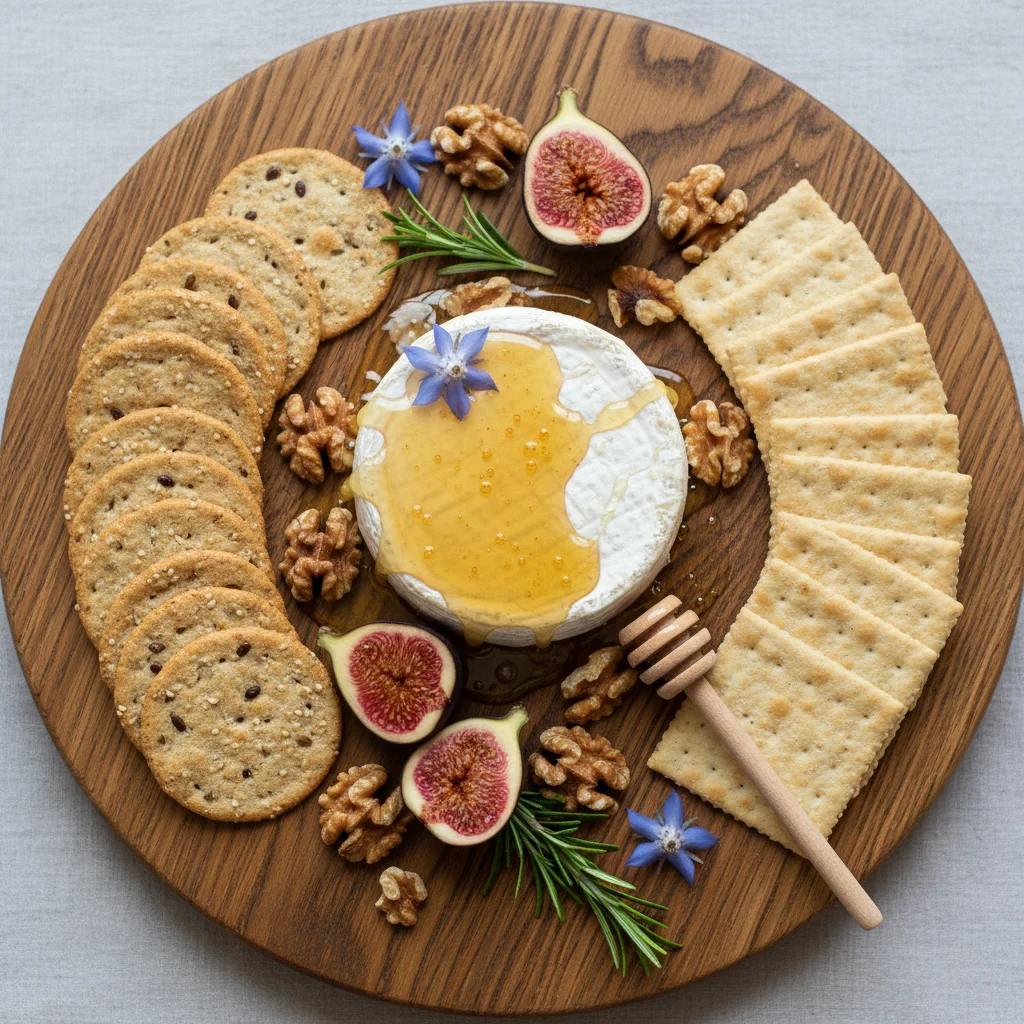
- In Spreads: Mix with herbs, honey, or roasted garlic to create a delicious spread for crackers or bread.
- On Pizza: Dollop soft goat cheese on pizza after baking for a creamy, tangy finish.
- In Omelets & Frittatas: Adds a rich, creamy element to egg dishes.
- Stuffed in Meats: A fantastic filling for chicken breasts or pork chops.
- In Pasta: Melts beautifully into creamy pasta sauces.
Who Should Especially Choose Pasteurized?
While pasteurized goat cheese is the safest choice for all, it is non-negotiable for certain groups:
* Pregnant Women: To avoid risks from Listeria, which can cause severe complications.
* Young Children: Their immune systems are still developing.
* Older Adults: Immune function often declines with age.
* Anyone Immunocompromised: Including those undergoing chemotherapy or living with HIV/AIDS.
Frequently Asked Questions
Is all goat cheese in the supermarket pasteurized?
Virtually yes. In the United States and many other countries, regulations require that any cheese aged less than 60 days must be made from pasteurized milk. Most fresh goat cheese (chèvre) falls into this category and will be pasteurized. Always check the label for the word “pasteurized.”
Does pasteurization destroy the nutrients in goat cheese?
The process causes minimal reduction in some heat-sensitive vitamins, but the core nutritional value—protein, calcium, fats—remains intact. The safety benefits vastly outweigh any negligible nutrient loss.
Can I eat pasteurized goat cheese if I’m lactose intolerant?
Many people with lactose intolerance tolerate goat cheese better because it has less lactose. However, sensitivity levels vary, so it’s best to start with a small amount. For a completely dairy-free alternative, you could investigate vegan keto diet plans.
How should I store it?
Keep soft goat cheese tightly wrapped in its original packaging or in an airtight container in the coldest part of your refrigerator. Use it by the “use-by” date for best quality.
The Bottom Line
Pasteurized goat cheese successfully marries exceptional flavor with crucial food safety. It delivers a powerhouse of nutrients in a form that is often easier to digest than cow’s milk cheese, making it a superb addition to a balanced diet. By opting for the pasteurized version, you can confidently enjoy its creamy, tangy goodness while protecting your health. Whether crumbled, spread, or melted, it’s a delicious way to enhance your meals.
Also Read – 4 Castor Carrier Oil Benefits, Uses and Safety Guide

