
Keto Dark Chocolate Benefits & Tips
Dark Chocolate on Keto: Your Ultimate Guide to Guilt-Free Indulgence
Navigating sweets on a ketogenic diet can feel restrictive, but dark chocolate presents a delicious exception. Consequently, many keto dieters celebrate it as a staple for satisfying cravings while maintaining nutritional goals. This guide will explore how to incorporate dark chocolate into your keto lifestyle, from selecting the right bars to understanding its impressive health benefits.
Is Dark Chocolate Keto-Friendly?
The short answer is yes, but with critical caveats. Dark chocolate can be keto-friendly because it is typically high in fat, moderate in protein, and, most importantly, low in net carbohydrates compared to milk or white chocolate. Net carbs are calculated by subtracting fiber and certain sugar alcohols from total carbohydrates, a key metric for staying in ketosis.
However, not all dark chocolate is created equal. The keto-friendliness depends entirely on the cocoa content and the type of sweeteners used. Generally, the higher the cocoa percentage, the lower the sugar content. Therefore, you must become a diligent label reader.
Net Carbs in Popular Dark Chocolate Types
To make an informed choice, it’s helpful to compare the approximate net carbs per standard serving (about 1 ounce or 28 grams).
| Chocolate Type (Cocoa %) | Total Carbs (g) | Fiber (g) | Net Carbs (g) | Key Consideration |
|---|---|---|---|---|
| Extra Dark (85-100%) | 10-14g | 3-5g | 5-9g | Lowest sugar; often bitter. Best choice. |
| Dark (70-85%) | 13-18g | 2-4g | 9-14g | Good balance of flavor and low carbs. Consume in moderation. |
| Dark (50-70%) | 16-22g | 2-3g | 13-19g | Higher sugar risk. Likely to exceed carb limits quickly. |
| Milk Chocolate | 20-25g | 1g | 19-24g | Not keto-friendly. High in sugar and dairy. |
As the table illustrates, opting for chocolate with 85% cocoa or higher is the safest strategy for keeping your daily net carb intake low. Moreover, some brands now make chocolate specifically sweetened with keto-friendly alternatives like stevia, erythritol, or monk fruit, which can reduce net carbs to just 1-3 grams per serving.
Health Benefits of High-Cocoa Dark Chocolate
Choosing the right dark chocolate does more than just satisfy a sweet tooth; it can be a functional part of your diet. High-quality dark chocolate is packed with nutrients and antioxidants. Here’s why it’s considered a health food:
- Rich in Antioxidants: Dark chocolate is loaded with compounds like flavanols and polyphenols, which fight oxidative stress in the body. This is linked to reduced inflammation and may support overall prostate health and heart function.
- May Support Heart Health: Studies suggest the flavanols in dark chocolate can improve blood flow and lower blood pressure. Additionally, it may positively impact cholesterol levels by raising HDL (good) cholesterol.
- Provides Essential Minerals: A serving of dark chocolate is a good source of important minerals like iron, magnesium, copper, and manganese, which are crucial for energy production and nervous system function.
- Can Improve Brain Function: The flavonoids may increase blood flow to the brain, potentially enhancing cognitive function. For a more targeted cognitive supplement, you can explore our review of the best brain health supplements.
- Promotes Satiety: The combination of fat, fiber, and intense flavor can help you feel full, potentially curbing the urge to overindulge in other, less keto-friendly snacks.
How to Choose the Best Keto Dark Chocolate
Selecting the perfect bar requires a bit of detective work. Follow these steps to ensure your choice supports your ketogenic goals:
- Check the Cocoa Percentage: Aim for 85% or higher. This is the single most important factor for minimizing sugar content.
- Read the Ingredient List: The ingredients should be simple: cocoa mass (or cocoa liquor), cocoa butter, and a sweetener. Ideally, the sweetener should be a keto-friendly sugar alcohol like erythritol or a natural sweetener like stevia. Avoid bars where “sugar” or “cane sugar” is listed as one of the first three ingredients.
- Calculate Net Carbs: Always look at the nutrition label. Subtract the grams of fiber from the total carbohydrates to get the net carbs per serving. Ensure this fits within your daily carb allowance (typically 20-50 grams of net carbs).
- Avoid Unhealthy Additives: Steer clear of bars with hydrogenated oils, artificial flavors, or high amounts of dairy (which adds lactose, a sugar).
Delicious Ways to Enjoy Dark Chocolate on Keto
Incorporating dark chocolate into your diet can be both simple and creative. Here are a few ideas:
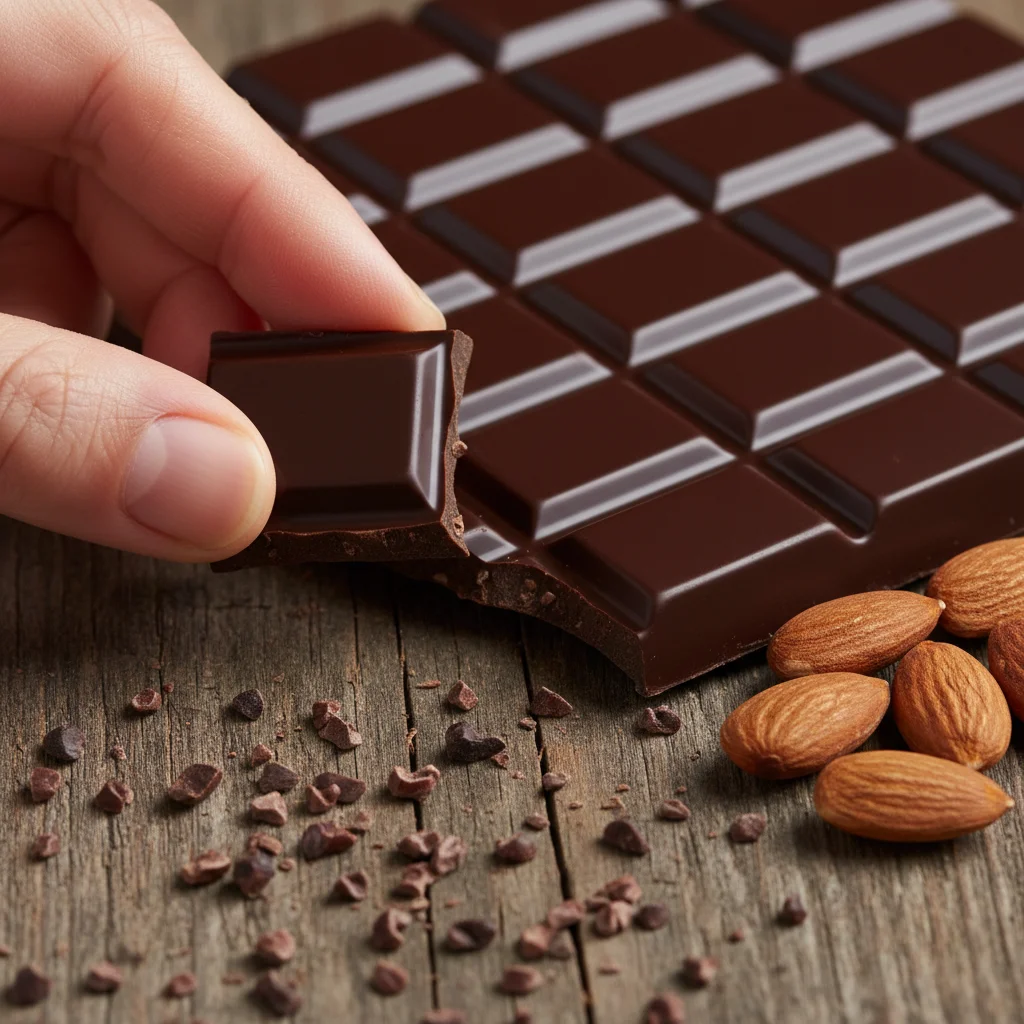
- Straight Up: Enjoy a square or two of a high-percentage bar as an after-dinner treat.
- Keto Chocolate Bark: Melt keto-friendly dark chocolate, mix in nuts, seeds, or coconut flakes, and let it set for a custom snack.
- Chocolate-Dipped Berries: Dip strawberries or raspberries (in moderation) into melted dark chocolate for a decadent, low-carb dessert.
- In Smoothies: Add a small square or some cocoa powder to a high-fat smoothie for a rich, chocolatey flavor.
- As a Baking Ingredient: Use unsweetened cocoa powder or sugar-free chocolate chips in keto muffin, brownie, or fat bomb recipes.
Potential Pitfalls and Moderation
While dark chocolate is a keto ally, overconsumption is a common pitfall. Firstly, even low-net-carb chocolate contains calories and carbs that can add up. Eating half a bar in one sitting could easily use up your entire day’s carb budget. Secondly, some sugar alcohols, like maltitol, can cause digestive distress and have a higher glycemic impact, potentially affecting blood sugar. Always check the type of sweetener used.
Therefore, the golden rule is moderation. Treat dark chocolate as a occasional luxury, not a daily staple. Pay close attention to how your body responds, as individual tolerance to carbs and sweeteners can vary.
Conclusion: A Sweet Ally in Your Keto Journey
In summary, high-cocoa dark chocolate is not only compatible with a ketogenic diet but can also offer notable health benefits. By prioritizing bars with 85%+ cocoa content and keto-approved sweeteners, you can enjoy this delicious treat without derailing your progress. Remember to always practice portion control and savor each bite. Consequently, you can successfully navigate your keto journey while still indulging in one of life’s great pleasures.
For more insights on optimizing your health with targeted nutrition, explore our guide on antioxidants for prostate health.