
Best Vegetables to Juice for Health
The Ultimate Guide to the Best Vegetables to Juice
Juicing vegetables is a powerful way to flood your body with concentrated vitamins, minerals, and antioxidants. Unlike blending, juicing extracts the liquid and nutrients, leaving behind the pulp, which allows for rapid absorption.
Consequently, incorporating fresh vegetable juice into your routine can significantly boost your energy and overall wellness. This guide will explore the top vegetables for juicing, their specific benefits, and how to combine them for delicious results.
Why Juice Vegetables? Core Benefits Explained
Firstly, vegetable juicing provides a highly efficient method of nutrient consumption. Because the fiber is removed, your digestive system can access the vitamins and minerals almost immediately. This is particularly beneficial for individuals with digestive issues or those who need a quick nutrient boost.
Moreover, juicing allows you to consume a wider variety of vegetables than you might typically eat whole. For instance, you can easily juice a large bunch of kale, a whole cucumber, and a beet in one glass—a volume that would be challenging to eat in one sitting. Additionally, the process can help you manage your blood sugar levels more effectively by providing nutrients without excessive natural sugars found in some fruit juices.
Top Vegetables for Your Juicer: A Nutritional Breakdown
The best vegetables for juicing are typically those that are leafy, watery, or root-based. Here is a detailed comparison of the top contenders.
| Vegetable | Key Nutrients | Primary Health Benefits | Flavor Profile & Juicing Tip |
|---|---|---|---|
| Kale | Vitamins A, C, K, Calcium, Iron | Supports bone health, powerful anti-inflammatory, boosts immunity. | Slightly bitter, earthy. Juice stems and leaves. Pair with apple or lemon. |
| Celery | Sodium, Potassium, Vitamin K | Excellent for hydration, may help lower blood pressure, anti-inflammatory. | Mild, salty, watery. A great base juice. Combines well with almost anything. |
| Cucumber | Water, Silica, Potassium | Incredibly hydrating, promotes skin health, helps detoxification. | Very mild, fresh, and watery. The perfect neutral base for any green juice. |
| Spinach | Iron, Folate, Vitamins A & C | Boosts energy, supports blood health, gentle on the stomach. | Mild, slightly sweet. Doesn’t overpower other flavors. Juice raw. |
| Beetroot | Folate, Manganese, Nitrates | May improve exercise stamina, supports liver detox, boosts heart health. | Earthy, sweet. Can stain! Start with small amounts (1/4 beet). |
| Carrot | Beta-Carotene, Vitamins A, K1 | Promotes eye health, glowing skin, and immune function. | Sweet, earthy. A great “sweetener” for green juices. |
| Ginger | Gingerol (Antioxidant) | Reduces nausea, powerful anti-inflammatory, aids digestion. | Spicy, pungent. Use a 1-inch knob. Adds a delicious kick. |
| Parsley | Vitamin K, C, Chlorophyll | Freshens breath, supports kidney function, nutrient-dense. | Fresh, grassy, potent. Use a small handful to avoid overpowering. |
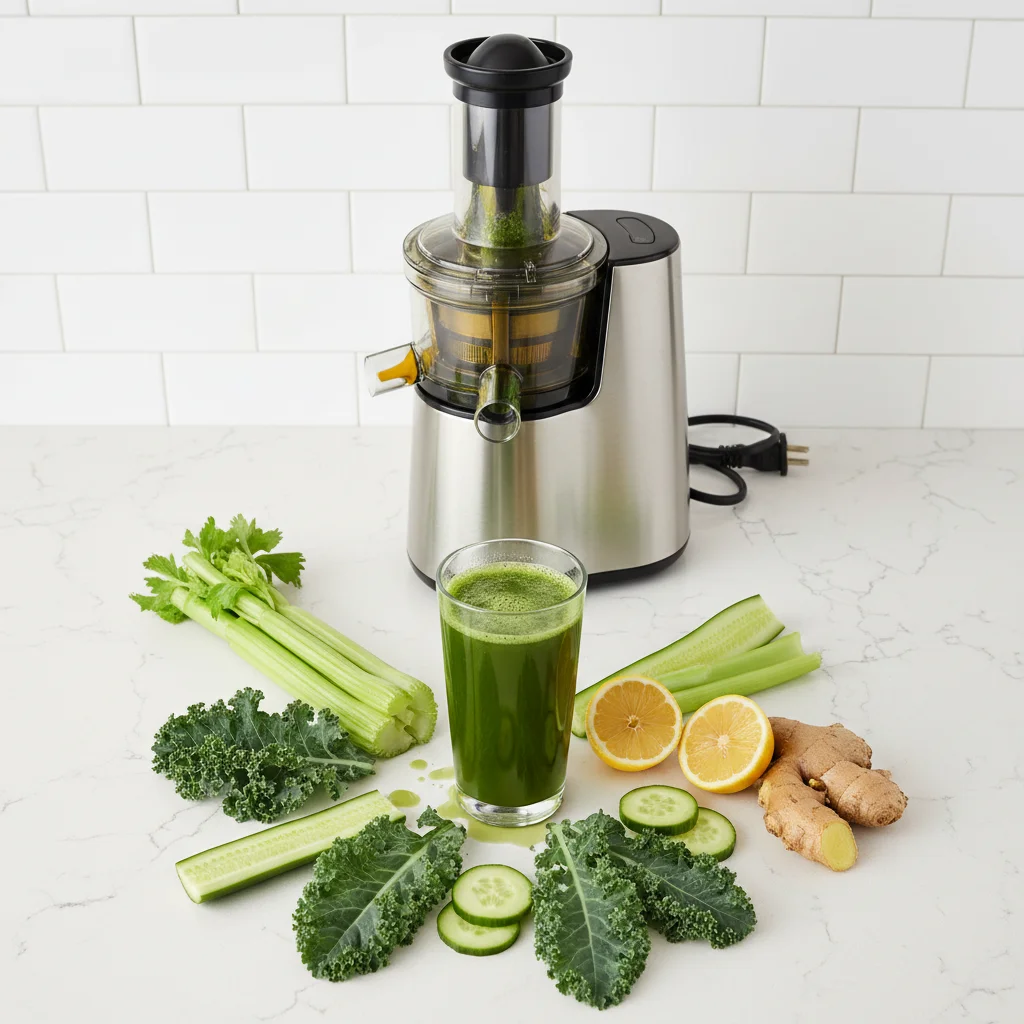
Crafting the Perfect Vegetable Juice: Recipes & Combinations
Creating a balanced juice is an art. The goal is to mix flavors and nutrients for both taste and health. Here are two foundational recipes to get you started.
The Classic Green Glow
This recipe is a fantastic daily tonic. It’s hydrating, packed with chlorophyll, and not too sweet.
* 3-4 stalks of Celery (base)
* 1/2 large Cucumber (base)
* 2 large handfuls of Spinach (leafy green)
* 1 small Green Apple (for a hint of sweetness)
* 1/2 Lemon (peeled, for zest and vitamin C)
* 1-inch knob of Ginger (for spice and digestion)
Instructions: Wash all produce thoroughly. Process through your juicer and enjoy immediately for the highest nutrient content.
The Root Revival
This earthy, vibrant juice is excellent for energy and circulation.
* 1 medium Beetroot (peeled) (root)
* 3 large Carrots (root/sweetener)
* 1 Orange (peeled, for sweetness and vitamin C)
* 1/2 Lemon (peeled, to balance sweetness)
Instructions: Juice the beet and carrots first, followed by the citrus. Be mindful that beet juice is potent; therefore, you may want to dilute it with a little water if you’re new to it.
Critical Juicing Tips for Beginners
To get the most out of your juicing journey, follow these practical tips. Firstly, always use organic produce when possible, especially for leafy greens and vegetables where you eat the skin, like celery and cucumbers. This minimizes your exposure to pesticides.
Secondly, drink your juice immediately. Because the nutrients are exposed to air, oxidation begins quickly, which can degrade vitamin content. If you must store it, use an airtight glass jar filled to the very top to minimize air exposure and refrigerate for no more than 24 hours.
Furthermore, start slow. If your body is not used to such a concentration of nutrients, begin with one small glass per day. Additionally, remember that juice lacks the fiber of whole vegetables; consequently, it should complement a diet rich in whole foods, not replace them entirely. For a holistic approach to wellness, consider how other lifestyle factors, like managing prostate health with proper diet, play a crucial role.
What to Avoid and Common Mistakes
Not all vegetables are ideal for juicing. Starchy vegetables like potatoes or yams do not juice well and can clog your machine. Moreover, vegetables with very low water content, such as avocado, are better suited for blending.
A common mistake is making juice too sweet by overusing fruits like apples or pineapples. While they improve palatability, they also add significant fructose. The focus should remain on vegetables, using fruit sparingly as a flavor enhancer. For times when you’re under the weather, a vegetable juice with ginger and lemon can be a great complement to the best tea for a sore throat.
Conclusion: Your Path to Vibrant Health
Incorporating vegetable juicing into your routine is a profound step toward enhanced nutrition and vitality. By focusing on the powerhouse vegetables listed—like kale, celery, cucumber, and beetroot—you can create delicious elixirs that support every system in your body. Remember to prioritize fresh, organic ingredients, drink your juice soon after making it, and enjoy it as part of a balanced diet. Ultimately, the best vegetables to juice are the ones you enjoy and will drink consistently, paving the way for long-term health benefits.
For more detailed nutritional profiles of specific foods, you can refer to resources like the USDA FoodData Central.

