
Grass-Fed Butter Benefits & Nutrition
The Ultimate Guide to Grass-Fed Butter: Nutrition, Benefits, and Uses
For generations, butter has been a staple in kitchens worldwide. However, not all butter is created equal. In recent years, grass-fed butter has surged in popularity among health-conscious consumers and nutrition experts. But what exactly sets it apart, and is it worth the often higher price tag? This comprehensive guide will delve into the science-backed benefits, nutritional profile, and practical uses of grass-fed butter.
What is Grass-Fed Butter?
Firstly, it’s essential to understand the source. Grass-fed butter comes from cows that have grazed on pasture for their entire lives, consuming a natural diet of grass and other forage. This is in stark contrast to conventionally raised, grain-fed dairy cows, which are often fed a processed diet of corn and soy in confined feeding operations.
Consequently, the nutritional composition of the milk—and the butter made from it—differs significantly. The cow’s diet directly influences the fat profile, vitamin content, and concentration of beneficial compounds in the final product. For a deeper look at how specific nutrients support bodily functions, you can explore our guide on blood sugar levels.
Grass-Fed Butter vs. Regular Butter: A Nutritional Showdown
The most compelling case for grass-fed butter lies in its superior nutritional density. Let’s break down the key differences.
Key Nutritional Advantages
| Nutrient/Compound | Grass-Fed Butter | Conventional/Grain-Fed Butter | Why It Matters |
|---|---|---|---|
| Omega-3 Fatty Acids | Higher (up to 5x more) | Lower | Supports heart health, reduces inflammation, and benefits brain function. |
| Conjugated Linoleic Acid (CLA) | Significantly Higher | Lower | A type of fat linked to improved body composition and potential anti-cancer properties. |
| Vitamin K2 (MK-4) | Rich Source | Minimal | Crucial for directing calcium to bones and teeth and away from arteries. |
| Beta-Carotene (Vitamin A) | Higher (gives a deeper yellow color) | Lower | A powerful antioxidant important for vision and immune function. |
| Butyric Acid | Slightly Higher | Present | A short-chain fatty acid that serves as fuel for colon cells and supports gut health. |
Moreover, grass-fed butter typically contains a more favorable ratio of omega-6 to omega-3 fatty acids. A balanced ratio is important because the modern diet is often excessively high in inflammatory omega-6 fats.
Top Health Benefits of Grass-Fed Butter
Incorporating high-quality grass-fed butter into a balanced diet can offer several potential health advantages.
1. Supports Heart Health
Contrary to outdated dietary advice, the saturated fat in quality butter is not the villain it was once made out to be. The unique fatty acid profile, higher vitamin K2, and antioxidant content in grass-fed butter may actually support cardiovascular health. Vitamin K2 helps prevent arterial calcification, a key factor in heart disease.
2. A Rich Source of Fat-Soluble Vitamins
Grass-fed butter is an excellent source of vitamins A, D, E, and K2. These vitamins are essential for a wide range of bodily functions, including immune support, bone density, skin health, and vision. Because they are fat-soluble, consuming them with a fat like butter enhances their absorption.
3. May Aid in Weight Management
The high CLA content found in grass-fed dairy has been studied for its potential to reduce body fat mass in some individuals. Additionally, the satisfying nature of healthy fats can promote satiety, potentially helping to reduce overall calorie intake.
4. Promotes Gut Health
Butyric acid, a short-chain fatty acid named after butter (butyrum in Latin), is a primary energy source for the cells lining your colon. A healthy gut lining is vital for proper digestion, nutrient absorption, and a strong immune barrier. For other ways to support your digestive system, consider reading about the best powder supplements for gut health.
5. Contains Powerful Antioxidants
The beta-carotene (which the body converts to vitamin A) and vitamin E in grass-fed butter act as antioxidants. These compounds help combat oxidative stress and cellular damage caused by free radicals.
How to Choose and Use Grass-Fed Butter
When shopping, look for terms like “100% grass-fed,” “pasture-raised,” or “grass-finished.” Organic certification is a plus, as it ensures the cows were not given antibiotics or growth hormones. Some reputable brands to look for include Kerrygold, Vital Farms, and Organic Valley Grassmilk.
Here are delicious ways to incorporate it into your diet:
* Cooking: Its high smoke point makes it excellent for sautéing vegetables, frying eggs, or pan-searing meats.
* Baking: Use it in place of regular butter in cookies, pastries, and pie crusts for a richer flavor.
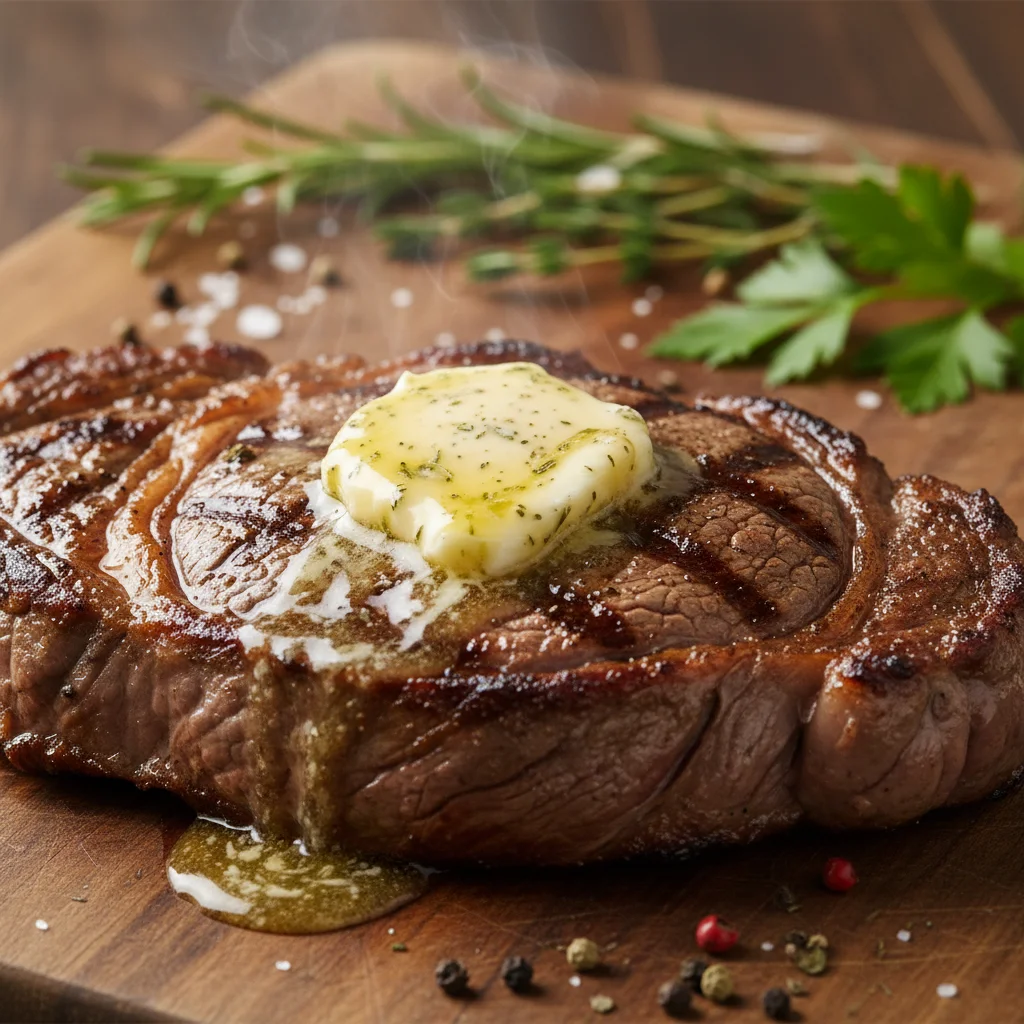
* Finishing: Add a pat on top of a hot steak, steamed vegetables, or a baked sweet potato.
* Bulletproof-Style Coffee: Blend a tablespoon into your morning coffee for a creamy, energy-sustaining drink.
Addressing Common Concerns
Is it okay to eat saturated fat? Modern research, such as studies cited by the National Institutes of Health, indicates that the context of the overall diet matters more than singling out one nutrient. In the context of a diet low in processed foods and sugars, saturated fat from whole foods like grass-fed butter is not inherently harmful for most people.
Is it worth the extra cost? This is a personal decision based on budget and health priorities. If you view food as an investment in your health, the enhanced nutrient profile can justify the price. You can use it strategically, not necessarily for every single use.
The Bottom Line
Grass-fed butter is more than just a trendy food; it’s a nutritionally dense whole food with a distinct advantage over its conventional counterpart. Its superior profile of healthy fats, vitamins, and antioxidants can be a valuable addition to a balanced, whole-foods diet.
Therefore, if your budget allows, making the switch to grass-fed butter is a simple upgrade with potentially significant benefits for your heart, bones, gut, and overall well-being.

