
Rapadura Sugar: Benefits & Uses
Rapadura Sugar: The Unrefined Sweetener Explained
In the world of natural sweeteners, rapadura sugar is gaining attention for its rich flavor and minimal processing. Unlike the stark white sugar found in most pantries, rapadura offers a glimpse into a more traditional, less refined way of sweetening our foods. But what exactly is it, and how does it stack up nutritionally? This guide dives deep into the origins, benefits, and practical uses of this unique sugar.
What is Rapadura Sugar? 🤔
Rapadura (pronounced rah-pah-DOO-rah) is a type of whole cane sugar. It originates from Brazil, where the name is a trademark for a specific production method. The process is remarkably simple and ancient: freshly pressed sugarcane juice is gently heated to evaporate the water, then dried and ground into a fine, grainy powder. Crucially, none of the natural molasses is removed. This is the key difference between rapadura and common refined sugars.
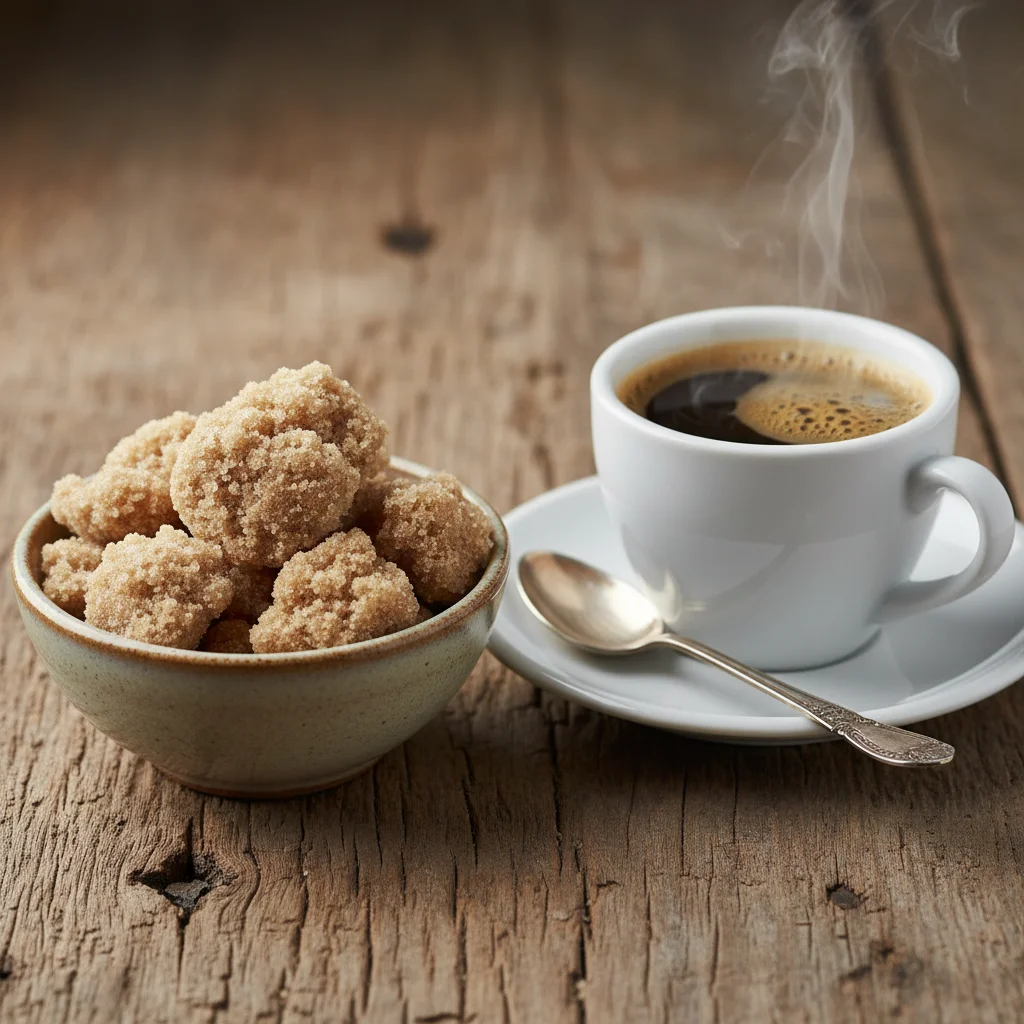
Because it retains the full spectrum of components from the sugarcane juice, rapadura has a distinctive caramel-like color, moist texture, and complex flavor with notes of toffee and molasses. It is essentially the dried juice of the sugarcane in its most whole form.
Rapadura vs. Other Natural Sugars
It’s easy to confuse rapadura with other unrefined sugars. Here’s a quick comparison:
| Sugar Type | Processing Level | Key Characteristics |
|---|---|---|
| Rapadura | Minimal | Whole cane juice dried & ground; retains all molasses & minerals; moist, tan powder. |
| Sucanat (Sugar Cane Natural) | Minimal | Very similar to rapadura; often used interchangeably; trademarked process. |
| Turbinado Sugar | Partially Refined | Crystals are centrifuged to remove some molasses; lighter color & drier texture. |
| Muscovado Sugar | Minimal | Unrefined cane sugar with very high molasses content; dark, sticky, and strong flavor. |
| White Refined Sugar | Highly Refined | Heavily processed to remove all molasses and impurities; 99.9% sucrose. |
Nutritional Profile of Rapadura Sugar
The primary nutritional advantage of rapadura lies in what it retains, not what it adds. Because it is not stripped of its natural molasses, it contains trace amounts of vitamins and minerals found in sugarcane.
Per 100 grams, rapadura sugar typically provides:
* Calories: ~380 kcal (similar to white sugar)
* Sucrose: ~90-95 grams
* Iron: ~10% of the RDI
* Calcium: ~8% of the RDI
* Potassium: ~3% of the RDI
* Magnesium: ~8% of the RDI
However, a critical perspective is essential. You would need to consume a very large, unhealthy amount of rapadura to gain any significant nutritional benefit from these minerals. Therefore, it should not be considered a “health food” or a meaningful source of nutrients. Its value is as a less processed, more flavorful alternative to refined sugar, not a supplement.
If you are managing your intake, understanding general blood sugar levels is crucial, regardless of the sugar source.
Potential Benefits and Considerations
Choosing rapadura over highly refined white sugar comes with a few nuanced advantages and some important considerations.
Potential Benefits
- Less Processing: It undergoes minimal industrial processing, aligning with “clean eating” principles that favor whole foods.
- Lower Glycemic Index (GI): Some sources suggest rapadura has a slightly lower GI than white sugar, meaning it may cause a slower, more gradual rise in blood sugar. However, the difference is often minor, and it remains a high-GI food.
- Rich Flavor: Its complex, caramel-like taste means you might use less of it to achieve the desired sweetness in recipes.
- Trace Minerals: As noted, it provides small amounts of iron, calcium, magnesium, and potassium, which are entirely absent in white sugar.
Important Considerations
- It’s Still Sugar: At its core, rapadura is about 90-95% sucrose. Excessive consumption is linked to the same health risks as other sugars, including weight gain and metabolic issues.
- Calorie Density: It is calorically equivalent to table sugar.
- Not for Diabetics: Despite a potentially lower GI, it significantly impacts blood glucose and is not a safe “free pass” for individuals with diabetes.
- Flavor Impact: Its strong molasses flavor can alter the taste of delicate recipes, like vanilla cake or lemonade, where white sugar’s neutrality is preferred.
For those exploring natural health, the principles behind using whole ingredients like rapadura align with interests in areas like antioxidants for prostate health or best powder supplements for gut health, which focus on foundational, nutrient-dense wellness.
How to Use Rapadura Sugar in Cooking & Baking
Rapadura is a versatile sweetener, but its unique properties require some adaptation.
General Substitution Rule: You can generally substitute rapadura for white or brown sugar in a 1:1 ratio by volume. However, due to its moisture, for precise baking by weight, slight adjustments may be needed.
Best Uses:
* Baking: Excellent in gingerbread, chocolate cakes, oatmeal cookies, and whole-grain muffins where its robust flavor complements other ingredients.
* Sweetening: Perfect for oatmeal, yogurt, coffee, or smoothies.
* Sauces & Glazes: Creates rich caramel sauces, barbecue glazes, and marinades.
Pro Tip: Because it can clump, sift rapadura before using it in dry mixes for baking. For a smoother dissolve in liquids, you may gently heat the mixture.
Frequently Asked Questions (FAQs)
Is rapadura sugar vegan?
Yes, rapadura sugar is vegan. It is derived solely from sugarcane with no animal products used in its traditional processing.
Where can I buy rapadura sugar?
You can find it in health food stores, specialty grocery stores, and online retailers. It is often sold in the natural foods or baking aisles.
Can I use rapadura sugar for canning or preserving?
It is not recommended. Its high moisture content and mineral composition could potentially affect preservation safety and clarity of jams or jellies. Standard white granulated sugar is best for canning.
Does rapadura sugar expire?
Due to its moisture, it can harden over time. Storing it in an airtight container in a cool, dry place will maximize its shelf life. If it hardens, you can pulse it in a food processor to restore its granular texture.
The Bottom Line
Rapadura sugar stands out as a whole-food sweetener with a deep, satisfying flavor and a less industrialized production process. While it offers trace minerals and a marginally better nutritional profile than its refined counterpart, it is fundamentally still a form of sugar and should be consumed mindfully.
Therefore, if you are looking to reduce processed foods and enjoy a more complex sweetness in your baking and beverages, rapadura is an excellent choice. Conversely, if you require strict blood sugar management or prefer a neutral sweetener, it may not be the best option. Ultimately, understanding its properties allows you to make an informed, delicious choice in your kitchen.

