
Bran Flour: Nutrition, Benefits & Uses
The Complete Guide to Bran Flour: Nutrition, Benefits, and Uses
If you’re looking to boost the fiber and nutrient content of your homemade breads and baked goods, bran flour is an ingredient worth exploring. This guide will explain exactly what it is, why it’s good for you, and how to seamlessly incorporate it into your kitchen repertoire.
What is Bran Flour?
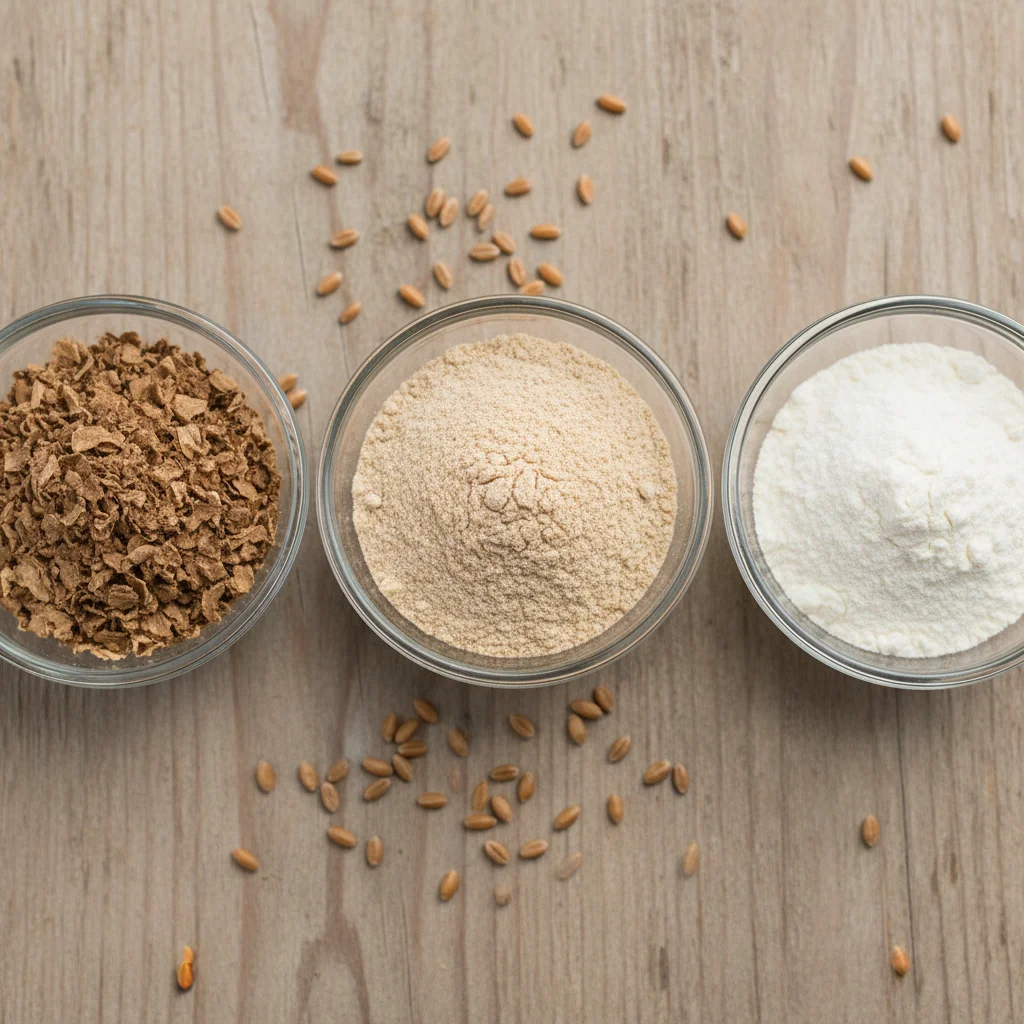
Bran flour is not a flour in the traditional sense, like all-purpose or bread flour. Instead, it is the coarse, outer layer of a cereal grain—most commonly wheat—that has been separated during the milling process and ground into a powder. This layer is packed with dietary fiber, vitamins, and minerals. Consequently, it is often added back into refined white flour to create whole wheat flour, or used on its own to enrich various recipes.
It’s crucial to distinguish it from other types:
* Bran Flour vs. Whole Wheat Flour: Whole wheat flour contains the entire grain: the bran, the germ, and the endosperm. Bran flour is just the bran component.
* Bran Flour vs. White Flour: White flour is made solely from the endosperm, the starchy core of the grain, after the bran and germ are removed. This process strips away most of the fiber and nutrients.
Nutritional Profile and Health Benefits of Bran Flour
The primary reason to use bran flour is its concentrated nutritional power. A typical serving (about 1/4 cup or 30 grams) provides a significant boost to your daily intake of key nutrients.
Key Nutrients in Bran Flour
Here is a breakdown of its standout nutritional components per 30-gram serving:
| Nutrient | Approximate Amount | Key Benefit |
|---|---|---|
| Dietary Fiber | 12-15 grams | Promotes digestive health, aids satiety, and supports stable blood sugar levels. |
| Protein | 4-5 grams | Supports muscle repair and provides sustained energy. |
| Manganese | ~150% DV | Essential for bone health and metabolism. |
| Magnesium | ~40% DV | Important for nerve function, muscle health, and blood pressure regulation. |
| Phosphorus | ~30% DV | Works with calcium to build strong bones and teeth. |
| B Vitamins | High in B1, B2, B3 | Crucial for converting food into energy and supporting brain health. |
Top Health Benefits
- Supercharges Digestive Health: Firstly, the exceptionally high fiber content adds bulk to stool and promotes regular bowel movements. This can help prevent constipation and support a healthy gut microbiome.
- Promotes Heart Health: The fiber in bran flour binds to cholesterol in the digestive system, helping to remove it from the body. Moreover, nutrients like magnesium contribute to healthy blood pressure levels.
- Aids in Weight Management: Because it is so high in fiber, it digests slowly. This helps you feel fuller for longer, which can naturally reduce overall calorie intake.
- Supports Stable Blood Sugar: The fiber slows the absorption of sugars into the bloodstream. Therefore, adding bran flour to meals can help prevent sharp spikes and crashes in blood glucose.
How to Use Bran Flour in Baking and Cooking
Bran flour has a distinct, nutty flavor and a coarse texture. It absorbs a lot of liquid, which requires some recipe adjustments. Here’s how to use it successfully:
Practical Usage Tips
- Start Small: Do not substitute all the flour in a recipe with bran flour. Begin by replacing 10-25% of the all-purpose or whole wheat flour called for.
- Increase Hydration: Always add extra liquid (water, milk, or yogurt) to your batter or dough. The bran will soak it up, preventing a dry final product.
- Allow Rest Time: Letting your batter sit for 10-15 minutes after mixing gives the bran time to fully hydrate, resulting in a better texture.
- Perfect Pairings: Its nutty taste complements ingredients like honey, oats, nuts, bananas, and carrots beautifully.
Recipe Ideas
- Bran Muffins: A classic use. Add to your favorite muffin recipe for a fiber-packed breakfast.
- Heartier Breads: Mix into whole wheat or multigrain bread dough for added texture and nutrition.
- Pancakes & Waffles: Substitute a portion of the regular flour for a wholesome twist.
- Meatloaf or Burgers: Use as a binder instead of breadcrumbs for added fiber.
Potential Drawbacks and Considerations
While highly beneficial for most, bran flour isn’t for everyone.
* Phytic Acid: Bran contains phytic acid, which can bind to minerals like iron and zinc, slightly reducing their absorption. However, this is generally not a concern for people with a balanced diet.
* Digestive Sensitivity: Introducing a large amount of fiber too quickly can cause gas or bloating. It’s wise to increase intake gradually and drink plenty of water.
* Gluten Content: Wheat bran flour contains gluten. Individuals with celiac disease or gluten sensitivity must seek out gluten-free alternatives, such as oat bran or rice bran.
Where to Buy and How to Store
You can find wheat bran or bran flour in the baking aisle of most well-stocked supermarkets, health food stores, or online. To maintain freshness and prevent rancidity, store it in an airtight container in a cool, dark place. For long-term storage, keep it in the refrigerator or freezer.
Final Thoughts
Bran flour is a simple, powerful way to elevate the nutritional value of your everyday baking. By providing a massive boost of fiber and essential nutrients, it supports everything from digestion to heart health. Remember to start with small substitutions and adjust liquid accordingly.
Embracing this ingredient can be a delicious step toward a healthier diet, making your favorite baked goods not just tastier, but truly nourishing. For another way to support your wellness through diet, explore the benefits of peppermint tea for digestion.

