
Women’s Muscle Supplements Guide & Reviews
The Ultimate Guide to Women’s Muscle Supplements: Fueling Strength & Recovery
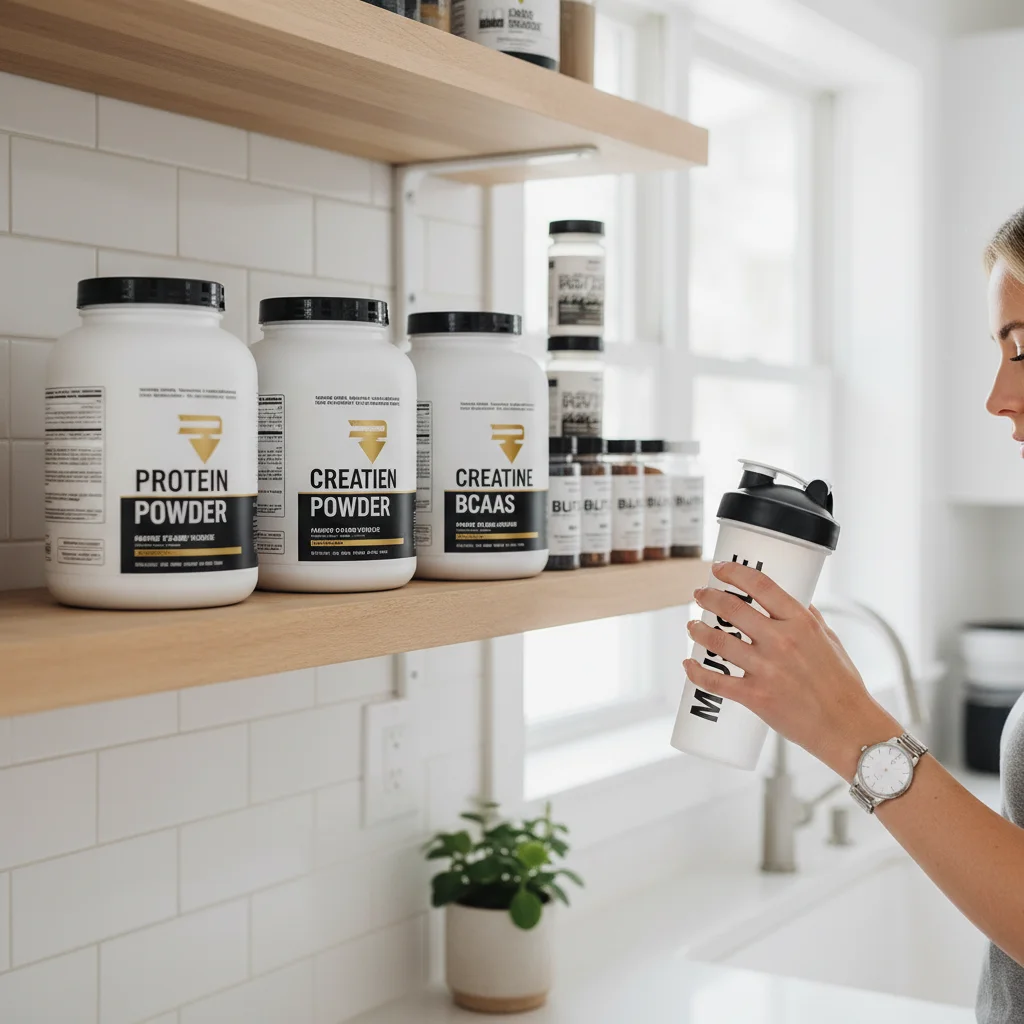
Navigating the world of fitness supplements can be overwhelming, especially for women with specific strength and body composition goals. Unlike generic products, women’s muscle supplements are formulated to support female physiology, aiding in muscle recovery, strength gains, and overall workout performance.
This guide will demystify the key supplements, explain how they work, and help you make informed choices to support your fitness journey.
Why Women’s Supplement Needs Are Unique
Firstly, it’s crucial to understand that women’s bodies respond differently to exercise and nutrition compared to men. Hormonal fluctuations, generally lower muscle mass, and distinct metabolic responses mean that supplement strategies should be tailored.
Consequently, the right supplements can help bridge nutritional gaps, enhance recovery from intense training, and support the lean muscle development that so many women seek. Moreover, proper supplementation can be a powerful ally when combined with a balanced diet and consistent training regimen.
Top Muscle-Building Supplements for Women
Not all supplements are created equal. The following categories represent the most researched and effective options for supporting muscle health in women.
1. Protein Powder: The Foundation of Recovery
Protein is the essential building block for muscle repair and growth. After a workout, your muscles need amino acids to recover. Whey protein and plant-based proteins (like pea or brown rice) are excellent choices. They provide a convenient and fast-absorbing source of high-quality protein, especially when whole food sources aren’t practical.
2. Creatine Monohydrate: The Strength & Power Enhancer
Creatine is one of the most extensively studied supplements in sports science. It helps regenerate ATP, your body’s primary energy currency, during high-intensity, short-duration activities like weightlifting. Contrary to some myths, creatine does not cause bloating or a “bulky” look in women; it supports increased strength, power output, and lean muscle mass. A standard dose of 3-5 grams daily is typically recommended.
3. Branched-Chain Amino Acids (BCAAs)
BCAAs—leucine, isoleucine, and valine—are crucial amino acids that can help reduce muscle soreness and fatigue. They are particularly useful if you train in a fasted state or have long, demanding workouts. While you can get BCAAs from protein powder, a supplemental dose can provide targeted support for recovery.
4. Beta-Alanine for Endurance
This amino acid helps buffer acid in muscles, which can delay fatigue during high-intensity exercise. Therefore, it can be beneficial for women engaged in HIIT, cycling, or repeated weightlifting sets, allowing for more volume and better performance.
5. Essential Vitamins & Minerals
Key micronutrients like Vitamin D, Iron, and Magnesium are vital. Vitamin D supports muscle function and immune health, while iron is critical for oxygen transport in the blood—especially important for active women. A deficiency in these can severely hamper energy and performance. For a broader look at foundational health, our guide on the best brain health supplements explores how core nutrients support overall wellness.
What to Look for on a Supplement Label
Choosing a quality product is paramount. Here’s a quick reference table for key ingredients and their purposes:
| Supplement | Primary Benefit for Women | Typical Dosage | Key Consideration |
|---|---|---|---|
| Whey or Plant Protein | Muscle repair & satiety | 20-25g post-workout | Choose a product with minimal added sugar and fillers. |
| Creatine Monohydrate | Increases strength & power | 3-5g daily | Look for “creatine monohydrate” as the sole ingredient. |
| BCAAs | Reduces muscle soreness | 5-10g during/fast workout | A 2:1:1 ratio of leucine:isoleucine:valine is standard. |
| Beta-Alanine | Improves muscular endurance | 2-5g daily | May cause a harmless tingling sensation (paresthesia). |
| Vitamin D3 | Supports muscle function & bone health | 1000-2000 IU daily | Especially important with limited sun exposure. |
Safety, Timing, and Synergy with Diet
Safety First: Always consult with a healthcare provider before starting any new supplement regimen, particularly if you have pre-existing health conditions or are pregnant/nursing. Purchase supplements from reputable brands that undergo third-party testing for purity and potency (look for seals from NSF, Informed-Choice, or USP).
Optimal Timing:
* Protein: Consume within 30-60 minutes post-workout to optimize muscle protein synthesis.
* Creatine: Timing is less critical than consistency. Taking it daily, with a meal or post-workout protein shake, is effective.
* BCAAs/Beta-Alanine: Can be taken before or during a workout to support performance.
Remember, supplements are meant to supplement a nutritious diet, not replace it. They work best when layered on a foundation of whole foods, adequate hydration, and proper sleep. For insights on how diet impacts other aspects of health, such as metabolic function, you can explore our resource on blood sugar levels.
Common Myths About Women and Muscle Supplements
Let’s debunk two pervasive myths:
1. “Supplements will make me look bulky.” This is a common fear. Gaining significant muscle mass requires a very specific, intense training protocol and caloric surplus. Supplements like protein and creatine support lean, defined muscle and strength—not a bulky physique.
2. “I only need supplements if I’m a professional athlete.” Even recreational fitness enthusiasts can benefit from targeted supplementation. If you train regularly, these tools can enhance recovery, improve performance, and help you reach your personal goals faster.
Conclusion: Building a Smart Supplement Strategy
In summary, the most effective approach to women’s muscle supplements is an educated one. Start by dialing in your nutrition and training. Then, consider adding one supplement at a time—like a quality protein powder or creatine—to assess your body’s response. Furthermore, prioritize products with transparent labeling and scientific backing. By understanding your unique needs and how these tools work, you can confidently support your strength, recovery, and overall fitness ambitions. Ultimately, the goal is to feel stronger, recover better, and perform at your best, both in and out of the gym.
Disclaimer: This article is for informational purposes only and is not a substitute for professional medical advice, diagnosis, or treatment. Always seek the advice of your physician or other qualified health provider with any questions you may have regarding a medical condition or supplement regimen.

