
Antibacterial Tea for Wellness
Antibacterial Tea: Your Guide to Nature’s Protective Brews
For centuries, cultures worldwide have turned to the healing power of plants, and the simple act of brewing a cup of tea stands as one of the most enduring traditions. Beyond comfort and warmth, many herbal infusions possess remarkable antibacterial properties. These natural compounds can help support the body’s defenses against unwanted microbes. Consequently, incorporating antibacterial teas into your routine can be a soothing and strategic element of a holistic wellness approach.
What Makes a Tea “Antibacterial”?
Firstly, it’s crucial to understand that “antibacterial” in this context refers to the natural capacity of certain plant compounds to inhibit the growth of or destroy bacteria. These are not pharmaceutical antibiotics, but rather supportive botanicals. The power lies in phytochemicals like polyphenols, flavonoids, and essential oils. For instance, a common compound called catechin found in green tea has been widely studied for its microbial-fighting abilities. Moreover, the steam from hot tea may provide additional benefit for respiratory discomfort, making it a popular home remedy for a sore throat.
Top Antibacterial Herbs for Your Teacup
Numerous herbs and spices form the basis of powerful antibacterial brews. Here is a comparative look at some of the most effective options.
| Tea / Herb | Key Antibacterial Compounds | Primary Uses & Benefits | Flavor Profile |
|---|---|---|---|
| Green Tea | Catechins (EGCG), Polyphenols | Fights oral bacteria, supports overall immunity, rich in antioxidants. | Grassy, vegetal, slightly astringent. |
| Ginger | Gingerol, Shogaol | Soothes digestive upset, fights pathogens, anti-inflammatory. | Pungent, spicy, warming. |
| Turmeric | Curcumin | Powerful anti-inflammatory, supports immune response, antioxidant. | Earthy, warm, slightly bitter. |
| Peppermint | Menthol, Rosmarinic Acid | Eases digestive issues, freshens breath, may relieve sinus pressure. | Cool, refreshing, minty. |
| Clove | Eugenol | Traditionally for toothache, potent against oral bacteria, analgesic. | Strong, sweet, intensely spicy. |
| Cinnamon | Cinnamaldehyde | May help regulate blood sugar, fights microbes, warming. | Sweet, woody, aromatic. |
| Thyme | Thymol, Carvacrol | Used for coughs and respiratory support, potent antimicrobial. | Earthy, herbal, slightly medicinal. |
| Echinacea | Alkamides, Polyphenols | Often used at the first sign of cold, stimulates immune function. | Mildly sweet, floral, sometimes tart. |
How to Brew the Perfect Potent Cup
To maximize the antibacterial benefits of your tea, proper preparation is key. Therefore, follow these general guidelines:
- Use Fresh, Quality Ingredients: Start with high-quality, organic loose leaves or dried herbs whenever possible. Fresh roots like ginger and turmeric should be peeled and sliced or grated.
- Mind the Water Temperature: Delicate herbs like peppermint and green tea are best with water just below boiling (around 175-185°F). Hardier roots, barks, and spices (ginger, cinnamon, turmeric) require full, rolling boiling water to extract their compounds effectively.
- Steep for the Right Time: Over-steeping can make tea bitter, while under-steeping won’t extract enough benefits. As a rule, steep green tea for 2-3 minutes, herbal infusions for 5-10 minutes, and decoctions (simmered roots/barks) for 10-15 minutes.
- Cover While Steeping: Always cover your cup or pot while steeping. This practice traps the volatile essential oils and steam, which contain many of the active therapeutic compounds.
Integrating Antibacterial Teas into Your Wellness Routine
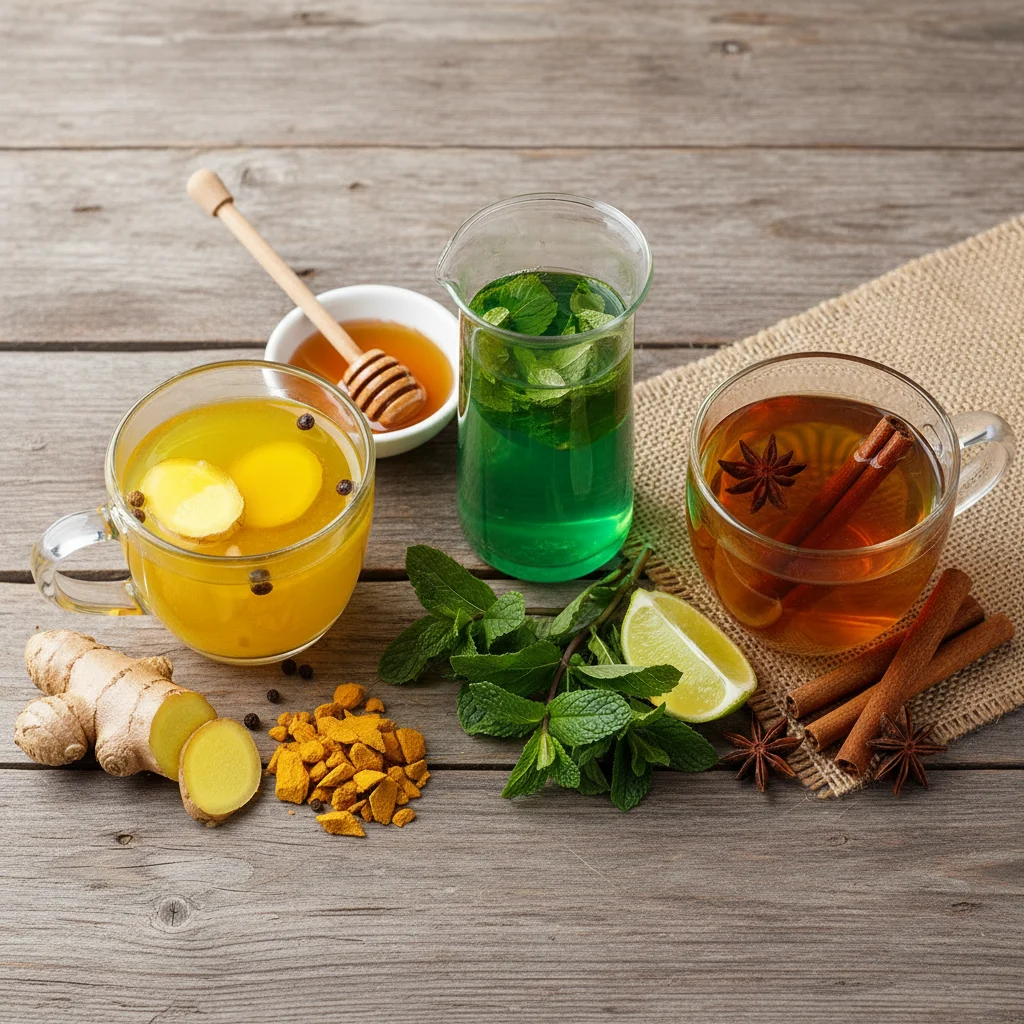
Incorporating these teas is simple and can be tailored to your needs. For daily immune support, a morning cup of green tea is an excellent choice. If you feel a tickle in your throat, a strong brew of ginger, lemon, and honey can be very soothing. Additionally, a nightly cup of chamomile tea, while often celebrated for its calming effects, also possesses mild antibacterial qualities, making it a perfect relaxing ritual.
It’s important to remember that these teas are supplements to a healthy lifestyle, not replacements for medical treatment. They work best in conjunction with a balanced diet rich in other protective nutrients, like antioxidants for prostate and overall health. Furthermore, if you have specific health conditions or are on medication, consult your healthcare provider, as some herbs can interact with drugs.
A Note on Safety and Synergy
While generally safe, moderation is essential. Drinking excessive amounts of any single herbal tea can lead to unintended side effects. For example, too much licorice root can affect blood pressure. Consequently, rotating your tea choices is a wise practice. The synergy of combining herbs can also be powerful; ginger and turmeric, for instance, are often paired to enhance anti-inflammatory effects.
Ultimately, the world of antibacterial tea offers a natural, accessible way to bolster your well-being. From the robust spice of ginger to the delicate leaves of green tea, each cup delivers not just comfort, but a complex blend of nature’s own protective chemistry. By understanding the properties and proper preparation of these herbs, you can harness their power in your daily pursuit of health.

