
Naturally Carbonated Sparkling Water Guide
The Effervescent Truth About Naturally Carbonated Sparkling Water
For many, the crisp, refreshing bite of sparkling water is a daily delight. However, not all bubbles are created equal. There’s a significant, and often delicious, difference between artificially carbonated seltzers and their naturally sparkling counterparts. Naturally carbonated sparkling water is a unique category of beverage, prized for its subtle minerality and origin story. This guide will explore what makes it special, how it compares to other fizzy drinks, and introduce you to some of the best brands to try.
What is Naturally Carbonated Sparkling Water?
Naturally carbonated sparkling water, often called “sparkling mineral water,” originates from a protected underground source. Its effervescence occurs without human intervention; the carbon dioxide (CO2) is naturally present in the water source. This process happens over centuries as water percolates through layers of rock, dissolving minerals and gases under pressure. When the water is tapped, the reduction in pressure allows the dissolved CO2 to escape as bubbles, creating its signature fizz.
Consequently, this natural carbonation is intrinsically linked to the water’s unique mineral profile—which can include calcium, magnesium, bicarbonate, and sodium. The taste and mouthfeel are therefore a direct result of its terroir, much like wine.
How It Differs from Artificially Carbonated Water
Understanding the key distinctions helps clarify why natural options often command a premium.
| Feature | Naturally Carbonated Sparkling Water | Artificially Carbonated Water (Seltzer/Club Soda) |
|---|---|---|
| Carbonation Source | Naturally occurring CO2 from the source. | CO2 gas is injected under pressure in a factory. |
| Minerals | Naturally present; profile varies by source. | Often added back (club soda) or absent (plain seltzer). |
| Taste | Complex, with subtle mineral notes influencing flavor. | Clean, neutral, or with added flavors. |
| Origin | Must come from a named, protected geological source. | Can be made from any purified water source. |
| Regulation | Often has strict standards (e.g., “natural mineral water” in the EU). | Generally regulated as a soft drink or bottled water. |
Top Benefits of Choosing Natural Sparkling Water
Choosing naturally sparkling water offers several potential advantages, both for your palate and your body.
Firstly, it provides essential minerals. While not a primary source, it can contribute to your daily intake of calcium and magnesium, which are crucial for bone health and muscle function. Additionally, the natural bicarbonate commonly found in these waters can aid in digestion by helping to neutralize stomach acid, making it a pleasant after-meal drink.
Moreover, for those seeking to reduce sugary soda intake, it’s a perfect substitute. The complex mouthfeel and subtle minerality can be more satisfying than plain, artificially carbonated seltzer. It’s also a zero-calorie, zero-sugar, and zero-sweetener option, aligning well with various dietary approaches, including a keto diet.
However, it’s important to note that some naturally sparkling waters can be high in sodium. Therefore, if you are monitoring your sodium intake, always check the nutrition label.
Popular Brands of Naturally Carbonated Sparkling Water
Here is a comparison of some renowned global and domestic brands you can find.
| Brand Name | Key Mineral Notes (Approx.) | Origin | Notable Characteristics |
|---|---|---|---|
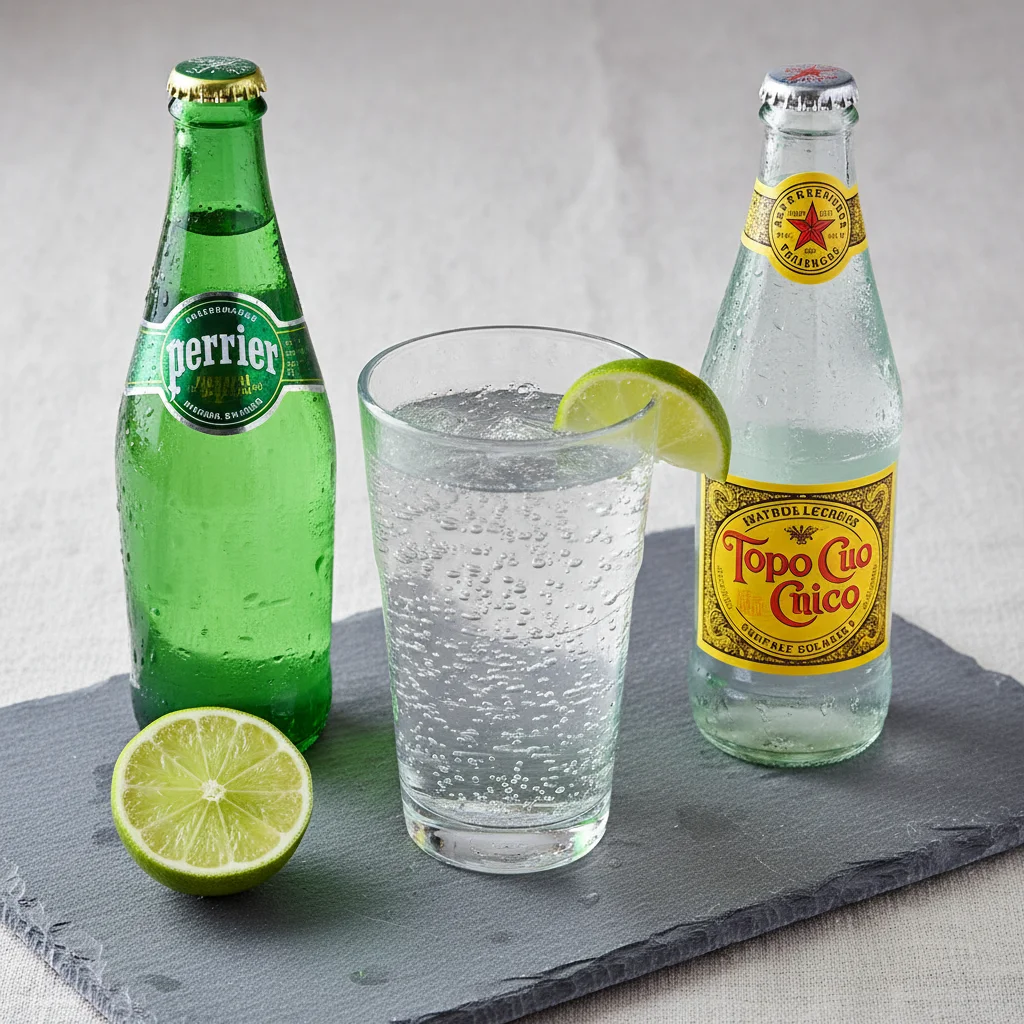
| Perrier | Calcium, Bicarbonate | Vergèze, France | Iconic green bottle, strong, vigorous bubbles. |
| San Pellegrino | Calcium, Bicarbonate, Sulfate | San Pellegrino Terme, Italy | Fine bubbles, slightly softer mouthfeel. |
| Gerolsteiner | High Calcium & Magnesium | Gerolstein, Germany | One of the highest mineral contents available. |
| Vichy Catalan | High Sodium, Bicarbonate | Caldes de Malavella, Spain | Distinctly salty taste, often considered a digestif. |
| Topo Chico | Minerals & Silica | Monterrey, Mexico | Exceptionally crisp and bubbly; a cult favorite. |
How to Incorporate It Into Your Routine
You can enjoy naturally carbonated water in numerous ways. Firstly, drink it chilled on its own to fully appreciate its unique profile. Secondly, use it as a sophisticated mixer for cocktails or mocktails—it adds complexity that club soda cannot. Furthermore, its digestive properties make it an excellent pairing with rich meals.
For a health-focused twist, consider adding a splash to your wellness regimen. While it’s a simple hydrator, focusing on overall health often involves multiple facets, from diet to supplements. For instance, supporting cognitive function is another key area, which you can explore through resources on the best brain health supplements.
Frequently Asked Questions
Is naturally carbonated water better for you?
It is not necessarily “better,” but it is different. It provides trace minerals and is a healthy, sugar-free beverage choice. The primary benefit is often its taste and natural origin.
Can it damage your teeth?
All carbonated water is slightly more acidic than still water. However, natural or plain sparkling water poses a negligible risk to tooth enamel compared to sugary sodas or citrus-flavored sparkling waters with added acids. It is significantly less erosive.
Why is it often more expensive?
The cost reflects the rarity of the protected source, the bottling process (often at the source to preserve carbonation), and importation for many famous brands.
Is it the same as tonic water?
No. Tonic water is artificially carbonated and contains added sweeteners and quinine, giving it a bitter flavor and calories.
The Bottom Line
Naturally carbonated sparkling water is a testament to nature’s ability to create a refreshing, complex beverage. Its effervescence is a gift of geology, not machinery. While it may be a pricier choice than standard seltzer, many find its distinctive mouthfeel and mineral nuances well worth the investment.
Whether you’re looking to enhance your hydration, find a better mixer, or simply explore the world of fine waters, seeking out a naturally sparkling option is a delightful pursuit. For more insights into making informed choices about what you consume, you might be interested in understanding other health topics, such as managing blood sugar levels.