
Basmati vs Jasmine Rice Nutrition
Basmati vs Jasmine Rice: A Detailed Nutritional Face-Off
When choosing the perfect rice for your meal, the decision often comes down to two aromatic favorites: basmati and jasmine. Both are celebrated for their fragrant profiles and ability to elevate dishes from simple sides to culinary centerpieces. However, beyond their enticing scents and textures lie distinct nutritional profiles that can impact your health and dietary goals. Consequently, understanding the basmati vs jasmine rice nutrition debate is essential for making an informed choice that aligns with your wellness plan.
This comprehensive guide will break down their calorie content, carbohydrate structure, micronutrient levels, and glycemic impact. Moreover, we’ll provide clear, actionable data to help you decide which grain deserves a permanent spot in your pantry.
Understanding the Core Nutritional Profiles
Firstly, it’s important to establish a baseline. Both basmati and jasmine rice are primarily sources of carbohydrates, with minimal fat and a modest amount of protein. Their differences, however, become apparent when you look closer at the details.
The nutritional values below are for 1 cup (cooked) of each white, long-grain variety, providing a standard comparison.
| Nutrient | Basmati Rice (White, Cooked) | Jasmine Rice (White, Cooked) |
|---|---|---|
| Calories | ~210 kcal | ~205 kcal |
| Total Carbohydrates | 45 grams | 45 grams |
| Dietary Fiber | 0.6 grams | 0.6 grams |
| Protein | 4.4 grams | 4.2 grams |
| Fat | 0.5 grams | 0.4 grams |
| Key Micronutrients | Slightly higher in Iron, Selenium | Slightly higher in Folate, Choline |
Data sourced from standard USDA FoodData Central entries.
As the table illustrates, their macronutrient profiles are remarkably similar in a standard serving. Therefore, the more significant distinctions are found in their glycemic index (GI) and aromatic compound profiles, which we will explore next.
Key Nutritional Differences Explained
1. Glycemic Index (GI) and Blood Sugar Impact
This is arguably the most critical differentiator for health-conscious individuals. The Glycemic Index measures how quickly a food causes blood sugar levels to rise.
- Basmati Rice: Typically has a lower glycemic index. White basmati often falls in the medium GI range (around 50-58), while brown basmati is a low-GI food. This means it leads to a slower, more gradual release of glucose into the bloodstream. For those monitoring their blood sugar levels, basmati is generally the more favorable choice. You can learn more about managing this in our detailed guide on understanding blood sugar levels.
- Jasmine Rice: Usually has a higher glycemic index. White jasmine rice can have a GI in the high range (around 68-80), causing a quicker spike in blood sugar. This is an important consideration for energy management and metabolic health.
2. Fiber Content: The Whole-Grain Advantage
While the table shows minimal fiber for white varieties, the real nutritional power comes from choosing brown basmati or jasmine rice.
- Brown versions of both rices retain their bran and germ, tripling or quadrupling the fiber content. This promotes digestive health, increases satiety, and further helps moderate the glycemic response.
- Between the two brown varieties, brown basmati usually maintains a slight edge in fiber and a lower GI compared to brown jasmine.
3. Aromatic Compounds and Antioxidants
The signature scents aren’t just for pleasure; they come from natural compounds.
- Basmati’s aroma is attributed to a compound called 2-acetyl-1-pyrroline, which it shares with foods like white bread and popcorn. It contains a unique set of antioxidants.
- Jasmine Rice gets its floral, pandan-like scent from the same compound, but often in a different concentration, influenced by its cultivation. Some studies suggest jasmine rice may contain beneficial plant compounds like flavonoids.
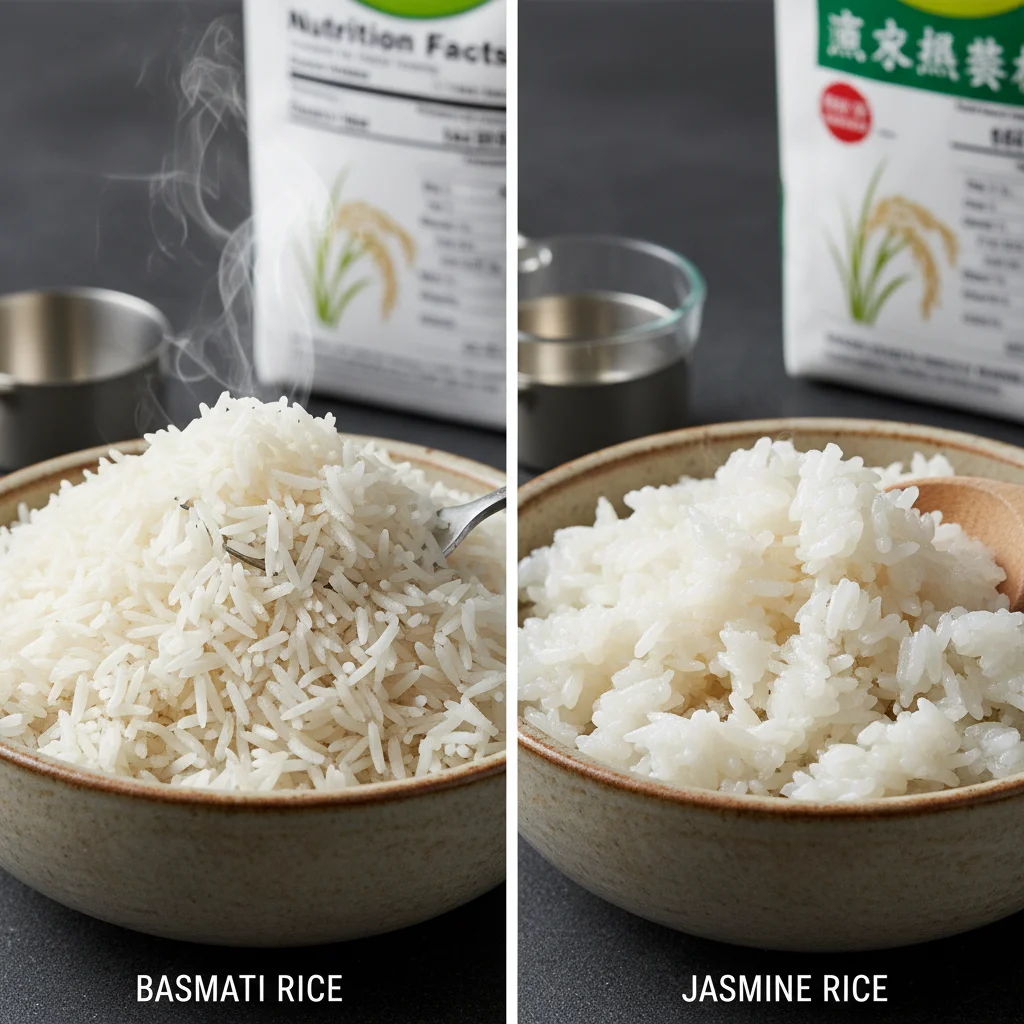
Which Rice Should You Choose? A Decision Guide
Your ideal choice depends entirely on your dietary needs and culinary goals.
Choose Basmati Rice If:
* You are managing blood sugar levels and need a lower-GI option.
* You prefer drier, fluffier grains that remain separate after cooking (perfect for pilafs, biryani, or as a bed for curries).
* You want a slightly nuttier flavor profile.
Choose Jasmine Rice If:
* You are seeking a rice with a sticky, soft texture that clumps together (ideal for Thai curries, stir-fries, or eating with chopsticks).
* You love a pronounced floral aroma in your dishes.
* Immediate energy is your goal, and a higher GI is not a primary concern.
Pro Tip for Everyone: Whenever possible, opt for the brown, whole-grain version of your chosen rice. This simple swap significantly boosts fiber, vitamins, and minerals, enhancing the nutritional value of any meal. For instance, incorporating high-fiber foods is a cornerstone of many effective dietary plans, including the strategies found in some vegan keto diet plans.
Cooking and Preparation Tips for Maximum Nutrition
How you prepare rice can also affect its final nutritional impact.
- Rinsing: Rinsing both basmati and jasmine rice before cooking removes surface starch. For jasmine rice, this can reduce stickiness; for basmati, it enhances fluffiness. However, it may also wash away some fortified nutrients in enriched white rice.
- The Cooking Method: Using methods like absorption (where the rice fully absorbs the water) helps retain water-soluble B vitamins.
- Portion Control: Given their similar calorie and carb densities, mindful portion sizes are key. A standard serving is typically considered 1/2 to 1 cup of cooked rice.
Final Verdict
In the battle of basmati vs jasmine rice nutrition, there is no single “winner.” Basmati rice holds a clear advantage for its lower glycemic index, making it a more suitable staple for sustained energy and blood sugar management. Conversely, jasmine rice offers a unique texture and aroma that is indispensable for specific cuisines.
Ultimately, the healthiest choice is the one that fits your personal health objectives and culinary preferences. By understanding these nuanced differences, you can confidently select the right aromatic rice to nourish your body and delight your palate. Furthermore, incorporating a variety of whole grains into your diet is a proven strategy for long-term health.

