
Raspberry Leaf Tea Benefits & Safety
Why Drink Raspberry Leaf Tea? A Guide to Its Uses & Benefits
For centuries, herbalists and midwives have turned to a specific leaf for its purported supportive properties. Consequently, the practice to drink raspberry leaf tea is steeped in tradition, particularly surrounding women’s health. But what does modern understanding say about this herbal infusion? This guide explores the potential benefits, important safety considerations, and the correct way to prepare this popular tea.
What is Raspberry Leaf Tea?
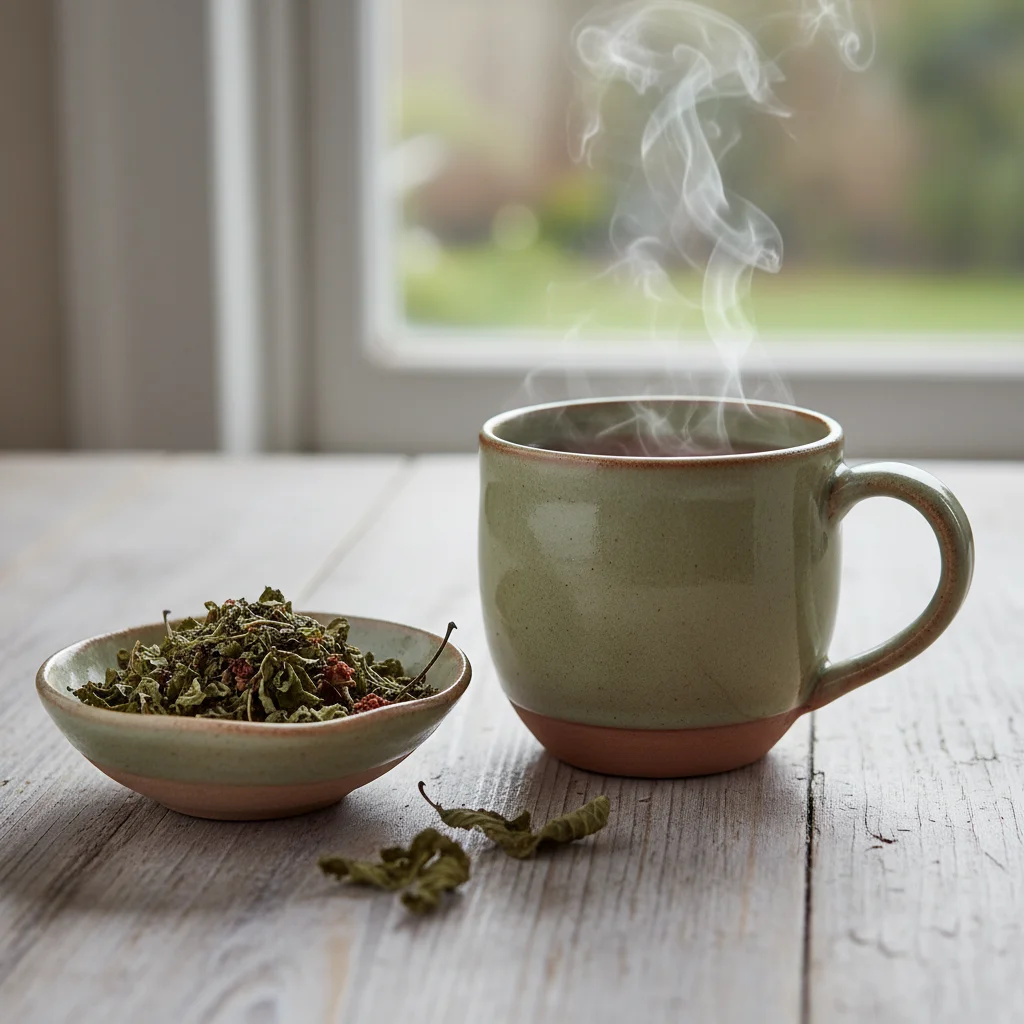
Firstly, it’s crucial to distinguish the leaf from the fruit. Raspberry leaf tea is made from the dried leaves of the Rubus idaeus plant, the red raspberry bush. Importantly, the tea itself does not taste like the sweet berry; instead, it offers a mild, earthy, and slightly astringent flavor, similar to a light black tea. Its historical use is well-documented, primarily as a uterine tonic and to support childbirth.
Potential Benefits of Drinking Raspberry Leaf Tea
The interest in raspberry leaf tea stems from its rich content of vitamins (like C and E), minerals (including magnesium, potassium, and iron), and tannins. These compounds are thought to contribute to its traditional uses.
1. Support for Women’s Health & Pregnancy
This is the most famous application. Traditionally, the tea is believed to help tone the uterine muscles. Many midwives suggest it may help prepare the uterus for labor, potentially leading to more efficient contractions. However, it is vitally important to consult a healthcare provider before using it during pregnancy, typically only in the second or third trimester.
2. Rich in Antioxidants and Nutrients
Like many herbal teas, raspberry leaf contains antioxidants, which help combat oxidative stress in the body. Additionally, it provides a source of key minerals. For a deeper look at how antioxidants function, you can explore our guide on antioxidants for prostate health, which explains their role in cellular protection.
3. Soothing Digestive Discomfort
The tannins in raspberry leaf have an astringent quality, which may help soothe minor digestive upset, such as diarrhea or an upset stomach. Moreover, its mild anti-inflammatory properties could contribute to this calming effect.
4. Support for Oral Health
Because of its astringent tannins, a cooled raspberry leaf tea gargle has been used as a folk remedy for sore throats and mouth ulcers. For more comprehensive options, our list of sore throat remedies offers additional natural approaches.
Key Considerations & Who Should Avoid It
While generally considered safe for most adults, there are critical exceptions. You should not drink raspberry leaf tea without medical advice if you are:
* In the first trimester of pregnancy.
* Planning a cesarean section or have a history of rapid labor.
* Dealing with hormone-sensitive conditions (like certain cancers), as the tea may have mild estrogenic effects.
* Taking specific medications, such as antibiotics, diabetes drugs, or laxatives, as it may interact.
Furthermore, always start with a weak brew to see how your body reacts. Consequently, moderation is key—typically 1-3 cups per day is the common suggestion for general use.
How to Prepare Raspberry Leaf Tea
Preparing the tea correctly maximizes its potential benefits and ensures a pleasant taste.
Ingredients:
* 1 teaspoon of dried, organic raspberry leaves per cup
* Freshly boiled water
* Optional: honey, lemon, or mint for flavor
Instructions:
1. Steep: Place the leaves in a cup or teapot. Pour 8 oz of freshly boiled water over them.
2. Cover & Wait: Cover the cup to prevent the volatile oils from escaping. Steep for at least 5-10 minutes; a longer steep yields a stronger, more medicinal brew.
3. Strain & Enjoy: Strain the leaves from the water. You can drink it warm or allow it to cool.
For a comparative look at another popular herbal tea, you might be interested in the benefits of chamomile tea.
Raspberry Leaf Tea: Nutrient Profile at a Glance
The following table outlines some of the key nutrients found in raspberry leaves that contribute to its reputation.
| Nutrient | Potential Role in the Body |
|---|---|
| Fragarine & Tannins | Plant compounds traditionally associated with toning pelvic and uterine muscles. |
| Vitamin C | Supports immune function and acts as an antioxidant. |
| Magnesium | Crucial for muscle function and relaxation, and bone health. |
| Potassium | An essential electrolyte important for heart and nerve function. |
| Iron | Vital for the formation of red blood cells and oxygen transport. |
| Calcium | Important for bone strength and muscular function. |
Disclaimer: This information is for educational purposes only and is not intended as medical advice. Raspberry leaf tea is a dietary supplement, not a medicine. You must consult with a qualified healthcare professional before starting any new herbal regimen, especially if you are pregnant, nursing, taking medication, or have a medical condition.
Final Thoughts: Is It Right for You?
Ultimately, the decision to drink raspberry leaf tea should be an informed one. While it holds a venerable place in herbal tradition for women’s health, its effects can vary from person to person. Therefore, thorough research and a conversation with your doctor are essential first steps. If you get the green light, you may find it to be a comforting and potentially supportive addition to your wellness routine.