
Healthy Tongue Guide: Signs & Care Tips
The Complete Guide to a Healthy Tongue: Your Window to Wellness
Your tongue is far more than just a tool for tasting and speaking. It is, in fact, a powerful mirror reflecting your overall health. A healthy tongue provides vital clues about your nutritional status, hydration levels, and even potential underlying health conditions. Consequently, understanding what constitutes a normal, healthy tongue and recognizing warning signs is a crucial aspect of self-care.
What Does a Healthy Tongue Look Like?
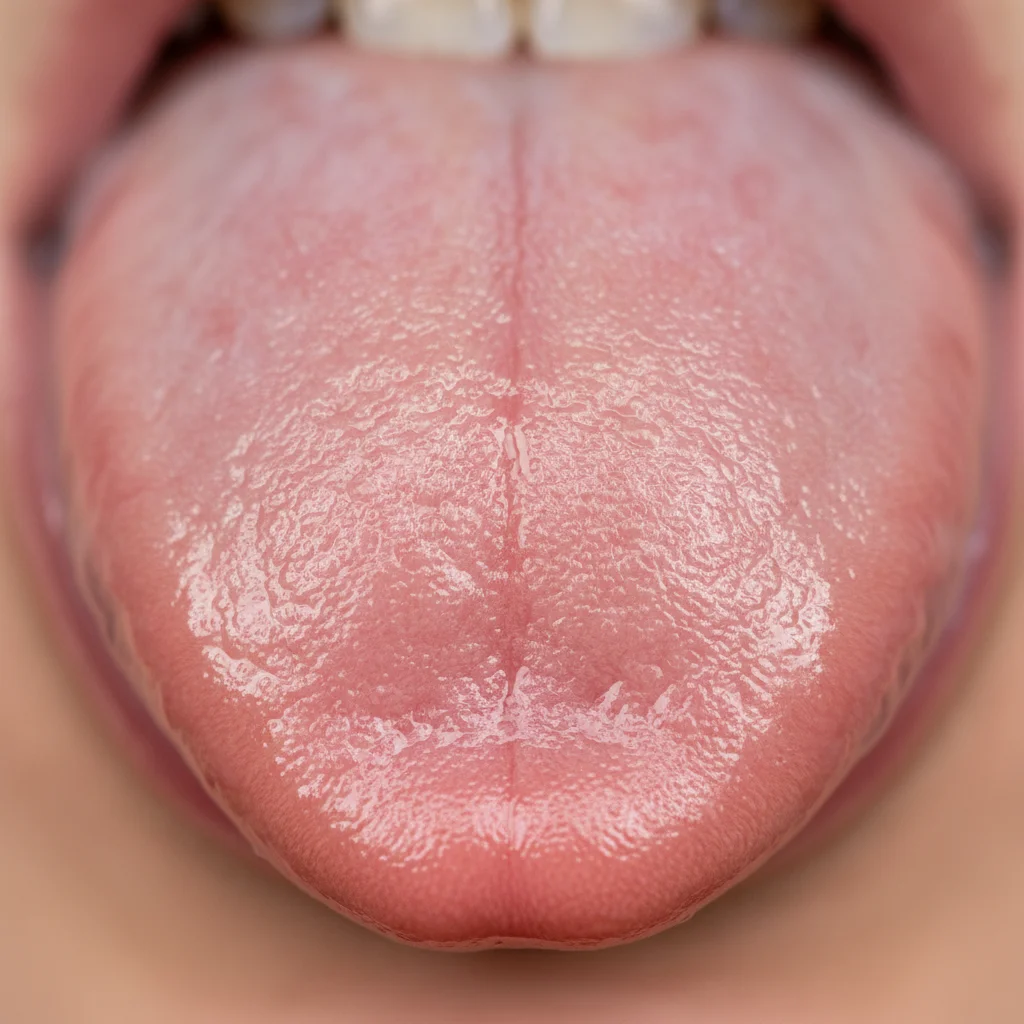
Firstly, a baseline understanding of normalcy is essential. A healthy tongue has several distinct characteristics:
- Color: It should be a consistent shade of pink. Some natural variation exists, but a uniform pink hue is ideal.
- Texture: The surface should be covered with tiny, pinkish-white nodules called papillae. These should be uniform and not inflamed.
- Moisture: A healthy tongue is consistently moist due to saliva production. Dryness can be a significant red flag.
- Coating: A thin, clear to white coating is normal, especially in the morning. However, this coating should be easy to remove with brushing.
Common Tongue Conditions and What They Mean
Deviations from the healthy norm can signal various issues. Here’s a quick-reference table for some common tongue appearances:
| Tongue Appearance | Possible Causes | What to Do |
|---|---|---|
| Thick White Coating | Oral thrush (yeast infection), poor oral hygiene, dehydration. | Improve brushing, stay hydrated. See a doctor if persistent. |
| Bright Red & Smooth | Vitamin deficiencies (B12, folate, iron), geographic tongue. | Review diet; consider a blood sugar levels guide as metabolic health is linked. |
| Black, Hairy Tongue | Overgrowth of papillae trapping bacteria/yeast, tobacco use, some antibiotics. | Practice excellent oral hygiene, brush the tongue, stay hydrated. |
| Painful Sores or Bumps | Canker sores, accidental bites, food sensitivities, or viral infections. | Usually heal on their own. Avoid spicy/acidic foods. See a dentist if persistent. |
| Persistent Red/White Patches | Could indicate oral lichen planus or, in rare cases, require evaluation for other changes. | Crucially, any patch that doesn’t heal in 2 weeks must be examined by a dentist or doctor. |
| Swollen Tongue | Allergic reaction, infection, or underlying health condition like hypothyroidism. | Seek immediate medical attention if swelling is sudden or affects breathing. |
Your Daily Routine for a Healthy Tongue
Maintaining tongue health is simple and integrates seamlessly with good oral hygiene. Therefore, follow these steps:
1. Brush Your Tongue Daily: Every time you brush your teeth, gently brush your tongue from back to front to remove bacteria, dead cells, and food debris. This is the most effective way to prevent bad breath and a coated tongue.
2. Use a Tongue Scraper: For a deeper clean, many people prefer a tongue scraper. Moreover, studies suggest scrapers can be more effective than brushing at reducing volatile sulfur compounds that cause bad breath.
3. Stay Hydrated: Drinking plenty of water throughout the day is essential. Adequate hydration prevents dry mouth (xerostomia), which allows bacteria to thrive.
4. Eat a Balanced Diet: A nutrient-rich diet supports the tissues in your mouth. For instance, a lack of certain vitamins can directly change your tongue’s appearance. Exploring options like the 9 vegan keto diet plans can be one way to structure a mindful diet, but ensure any plan is nutritionally complete.
5. Avoid Irritants: Smoking and excessive alcohol consumption are major irritants that can stain the tongue, damage papillae, and increase cancer risk.
6. Regular Dental Check-ups: Your dentist will examine your tongue for any abnormalities during a routine cleaning. This professional oversight is a critical safety net.
When to See a Doctor or Dentist
While most tongue issues are benign, certain signs warrant professional evaluation. You should schedule an appointment if you notice:
- Changes in color, texture, or shape that last more than two weeks.
- Swelling, severe pain, or persistent burning sensations.
- Difficulty moving your tongue, chewing, or swallowing.
- Patches, lumps, or ulcers that do not heal.
- A simultaneous change in tongue health and other symptoms, such as unexplained weight loss or fatigue.
The Bottom Line
Your tongue is a readily accessible health dashboard. By paying attention to its appearance and incorporating simple cleaning steps into your daily routine, you can maintain not only oral health but also gain insights into your systemic well-being. Ultimately, a healthy, pink tongue is a simple yet powerful sign that your body is functioning as it should.
Further Reading: For more on how specific nutrients impact bodily systems, you can read about antioxidants for prostate health, which underscores the importance of diet in overall wellness.

