
Sebum Plugs: Causes, Removal, and Prevention Tips
Understanding Sebum Plugs: Your Guide to Clearer Skin
If you’ve ever noticed small, rough bumps or blackheads on your skin, you’ve likely encountered a sebum plug. These common skin blockages can be a source of frustration, but understanding their cause is the first step toward effective management. This guide will explain what sebum plugs are, how they form, and the most effective strategies for treatment and prevention.
What Are Sebum Plugs? 🤔
Sebum plugs are small blockages that form within your hair follicles or pores. They occur when a combination of sebum (your skin’s natural oil), dead skin cells, and sometimes bacteria accumulate and harden. Consequently, this creates a physical plug that traps material beneath the skin’s surface.
These plugs are the primary building blocks for several common skin concerns:
* Blackheads (Open Comedones): When the plug is exposed to air, it oxidizes and turns dark.
* Whiteheads (Closed Comedones): When the plug is covered by a thin layer of skin, it appears as a small, flesh-colored bump.
* Inflammatory Acne: If the trapped material leads to bacterial overgrowth and inflammation, it can develop into papules or pustules.
What Causes Sebum Plugs to Form?
Several factors contribute to the formation of these stubborn blockages. Firstly, your skin’s natural oil production plays a central role.
| Contributing Factor | How It Leads to Plugs |
|---|---|
| Excess Sebum Production | Overactive sebaceous glands flood pores with oil, which can easily mix with dead cells and clog. |
| Skin Cell Buildup | Improper shedding of dead skin cells (keratin) can cause them to stick together inside the follicle. |
| Hormonal Fluctuations | Hormones like androgens can stimulate sebum production, which is why plugs are common during puberty, menstruation, or times of stress. |
| Cosmetic & Skincare Products | Heavy, occlusive products (like certain oils, butters, or silicones) can trap debris and contribute to blockages. |
| Diet & Lifestyle | Some studies suggest high-glycemic diets and dairy may influence sebum production and skin cell turnover for some individuals. |
Moreover, genetics largely determine your skin type and how prone you are to excess oil and clogged pores.
How to Safely Remove and Treat Sebum Plugs
The key to managing sebum plugs is consistency and gentleness. Aggressive picking or squeezing can damage the skin, push debris deeper, and cause scarring.
1. Effective Topical Treatments
A targeted skincare routine is your first line of defense. Look for products containing these key ingredients:
* Salicylic Acid: A beta-hydroxy acid (BHA) that excels at exfoliating inside the pore to dissolve the mix of oil and dead skin cells. It’s particularly effective for oily and acne-prone skin.
* Retinoids (Retinol, Adapalene, Tretinoin): These vitamin A derivatives accelerate skin cell turnover, preventing dead cells from clumping together and forming plugs. They are considered a gold-standard treatment. You can learn more about foundational skin health in our guide on antioxidants for prostate health, which discusses compounds that also support overall cellular function.
* Alpha Hydroxy Acids (AHAs): Such as glycolic or lactic acid, these help dissolve the “glue” holding dead skin cells together on the surface.
2. Professional Procedures
For stubborn or widespread plugs, a dermatologist can offer powerful solutions:
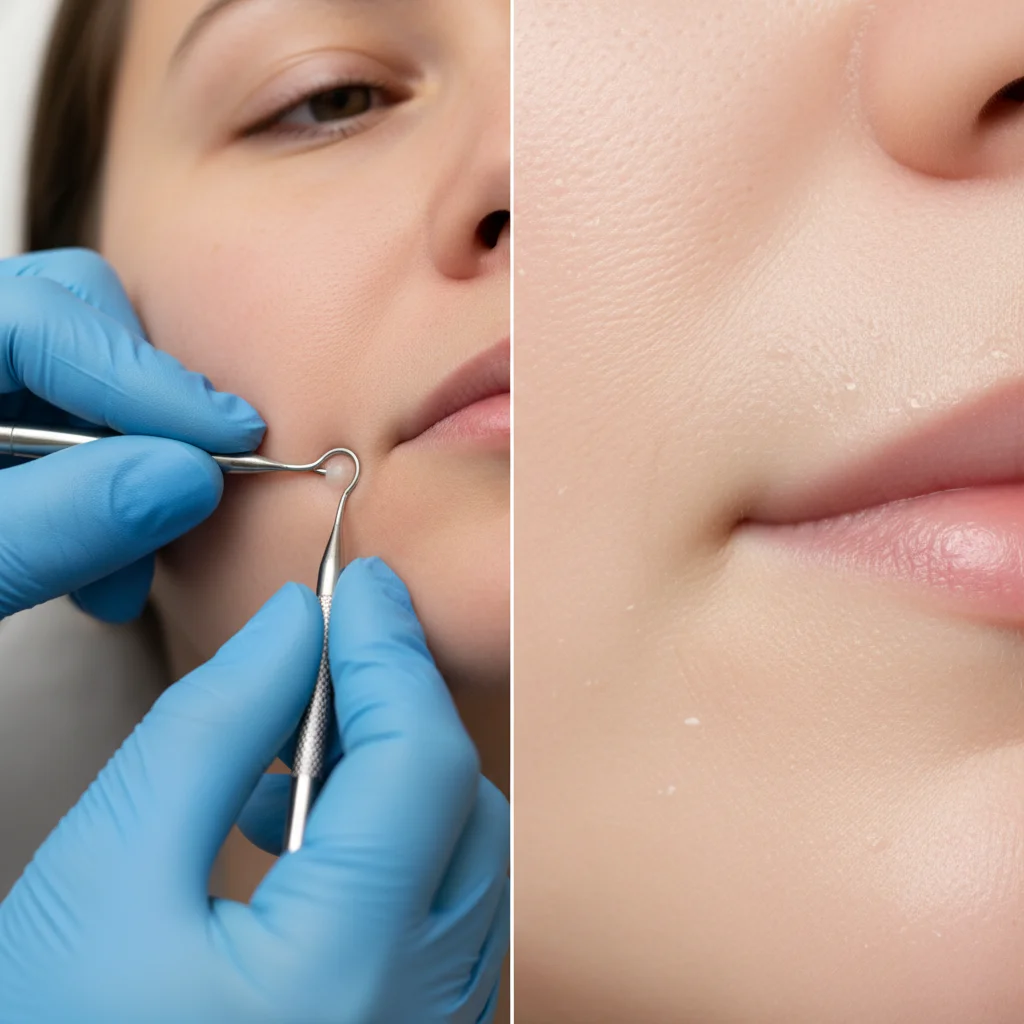
* Professional Extraction: Performed with sterile tools to safely remove plugs without causing skin damage.
* Chemical Peels: Use higher-concentration acids to deeply exfoliate and clear congested pores.
* Microdermabrasion: A mechanical exfoliation technique to vacuum away dead surface skin and debris.
3. Crucial “What Not to Do”
- Do Not Pick or Squeeze: This can cause inflammation, infection, and permanent scarring.
- Avoid Harsh Scrubs: Physical scrubs with large, jagged particles can create micro-tears in the skin, worsening irritation.
- Don’t Over-Cleanse: Washing your face too frequently can strip the skin, triggering it to produce more oil as compensation.
Proactive Prevention Strategies
Preventing new plugs from forming is just as important as treating existing ones. Therefore, adopt these long-term habits:
Establish a Consistent Routine: Cleanse your face twice daily with a gentle, non-comedogenic cleanser. Follow with a lightweight, oil-free moisturizer to keep your skin barrier healthy—even oily skin needs hydration.
Exfoliate Regularly: Incorporate a chemical exfoliant (like a BHA or AHA) 2-3 times per week to keep pores clear. Additionally, using a retinoid product several nights a week can maintain healthy cell turnover.
Choose Non-Comedogenic Products: Always check labels for “non-comedogenic” or “oil-free,” especially for moisturizers, sunscreens, and makeup.
Manage Diet and Stress: While individual responses vary, maintaining a balanced diet low in processed sugars and finding healthy ways to manage stress can positively influence your skin. For instance, exploring dietary adjustments like those in our overview of 9 vegan keto diet plans might provide insights into low-glycemic eating patterns.
Protect Your Skin: Daily use of a broad-spectrum sunscreen is non-negotiable. Sun damage can thicken the skin and impair pore function, making blockages more likely.
When to See a Dermatologist
If your at-home efforts aren’t yielding results after 6-8 weeks, or if your sebum plugs are frequently becoming inflamed and painful, it’s time to consult a professional. A board-certified dermatologist can provide a precise diagnosis and prescribe stronger treatments, such as topical antibiotics or oral medications like isotretinoin for severe cases.
Key Takeaway: Sebum plugs are a common, treatable skin condition. By understanding their cause and implementing a consistent, gentle skincare regimen focused on exfoliation and oil control, you can effectively manage them and achieve clearer, smoother skin. Remember, patience and consistency are far more effective than aggressive, quick-fix approaches.
For more authoritative information on skin anatomy and function, you can refer to resources like the American Academy of Dermatology.