
Natural Nail Antifungal Home Remedies
Nail Antifungal Home Remedies: A Natural Approach to Healthier Nails
Dealing with a fungal nail infection, or onychomycosis, can be a frustrating and persistent challenge. This common condition causes nails to become discolored, thickened, and brittle. While prescription medications are available, many individuals seek gentler, more accessible initial treatments.
Consequently, exploring nail antifungal home remedies has become a popular first step. These natural approaches can be effective for mild to moderate cases and offer a complementary strategy to support overall nail health.
Understanding Nail Fungus: The Root of the Problem
Before diving into treatments, it’s helpful to understand what you’re combating. Nail fungus is typically caused by dermatophytes, but yeasts and molds can also be culprits. These organisms thrive in warm, dark, and moist environments. Therefore, factors like sweaty shoes, walking barefoot in communal areas, or having a minor skin or nail injury can increase your risk. Recognizing the early signs—such as a white or yellow spot under the nail tip—is crucial for early intervention.
Top Natural Antifungal Home Remedies
Many household and natural items possess potent antifungal properties. Here is a comparative look at some of the most commonly recommended solutions.
| Remedy | Active Component | How to Use | Key Consideration |
|---|---|---|---|
| Tea Tree Oil | Terpinen-4-ol (a powerful antiseptic) | Apply 1-2 drops directly to the affected nail twice daily using a cotton swab. | Always dilute with a carrier oil (like coconut oil) if you have sensitive skin to avoid irritation. |
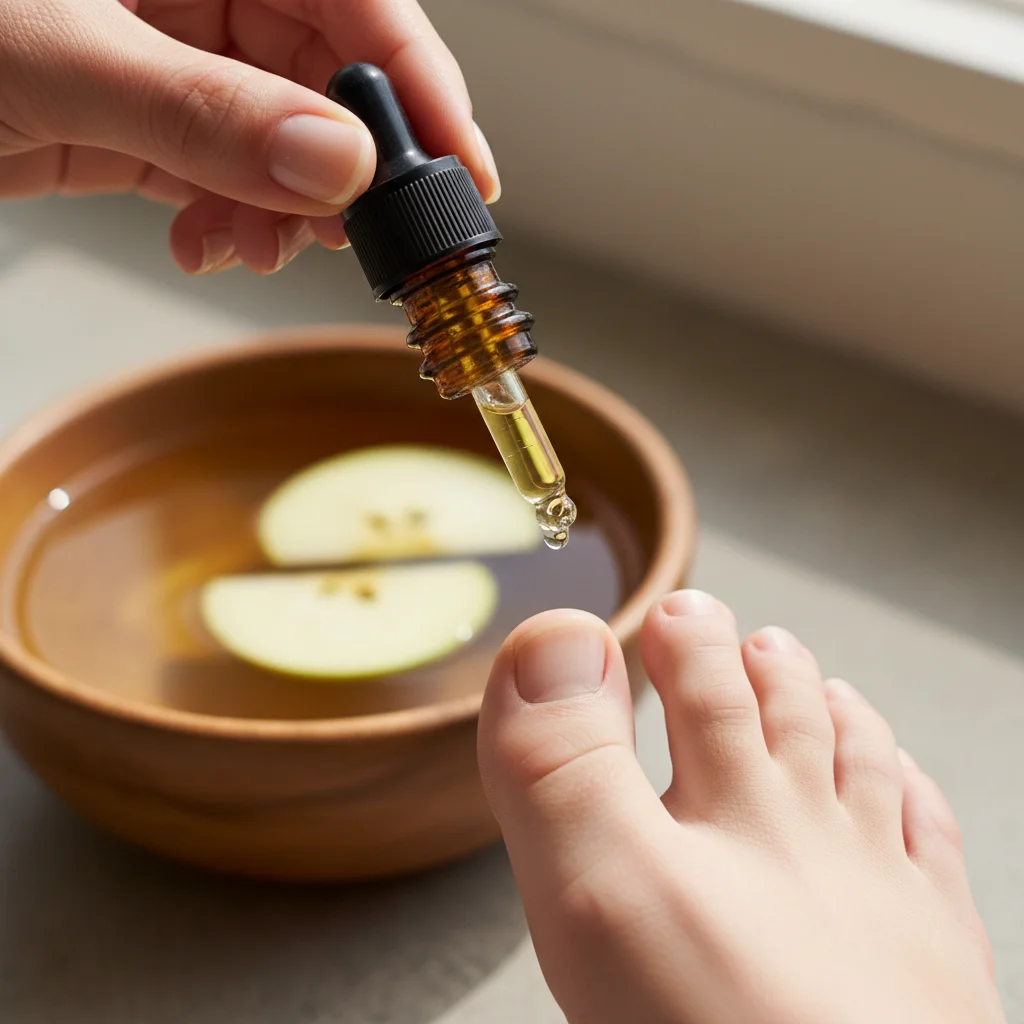
| Apple Cider Vinegar | Acetic Acid | Soak feet in a 1:2 ratio of vinegar to warm water for 15-20 minutes daily. | The acidic environment helps inhibit fungal growth. Dry feet thoroughly afterwards. |
| Coconut Oil | Caprylic Acid & Lauric Acid | Massage a small amount of virgin coconut oil into the nail and surrounding skin. | Its fatty acids penetrate the nail bed to fight fungus and moisturize. |
| Oregano Oil | Thymol & Carvacrol | Dilute 1-2 drops in a teaspoon of carrier oil and apply to the nail once daily. | This is a very potent oil; patch testing and proper dilution are essential. |
| Baking Soda | Sodium Bicarbonate | Create a paste with water and apply directly, or sprinkle in shoes to reduce moisture. | It doesn’t kill fungus directly but helps dry out the environment, making it inhospitable. |
| Snakeroot Extract | Flavonoids & Alkaloids | Apply the gel or solution as per product instructions, typically twice daily. | A natural antifungal studied for efficacy, often available in health stores. |
How to Apply These Remedies Effectively
Firstly, consistency is the most important factor for success with home treatments. Fungal nails grow slowly, and it can take many months to see clear, healthy nail regrow. Patience and persistence are non-negotiable.
For Soaks (e.g., Vinegar): Ensure the solution is properly diluted to prevent skin irritation. Soak for the recommended time, then dry the area meticulously with a clean towel, paying special attention to the spaces between toes.
For Direct Oils (e.g., Tea Tree, Coconut): Gently file down the thickened surface of the infected nail before application. This step, done carefully with a disposable file, allows the antifungal agent to penetrate more deeply. Moreover, always use clean tools to avoid spreading the infection to other nails.
Supporting Habits for Success and Prevention
Home remedies work best when combined with diligent foot care habits. These practices not only treat the existing infection but also prevent recurrence.
- Keep Feet Dry and Ventilated: Change socks daily, or more often if your feet sweat. Choose moisture-wicking socks and shoes made of natural materials.
- Protect Feet in Public Areas: Always wear shower shoes or flip-flops in locker rooms, pool decks, and public showers.
- Practice Good Nail Hygiene: Trim nails straight across and keep them short. Disinfect nail clippers after each use.
- Choose Appropriate Footwear: Avoid tight-fitting shoes that cramp toes. Alternating shoes daily allows them to dry out completely.
- Support Overall Health: A strong immune system is your best defense. A balanced diet rich in nutrients supports your body’s ability to fight infections. For insights into nutritional choices, you might explore our comparison of blueberries vs raspberries for their antioxidant profiles. Additionally, managing underlying conditions like diabetes is critical, as detailed in our guide to blood sugar levels.
When to See a Doctor
While home remedies are valuable, they are not a substitute for professional medical advice in severe cases. You should consult a doctor or podiatrist if:
* The infection is painful or spreading rapidly.
* You have diabetes or circulation problems.
* You see signs of a secondary bacterial infection (increased redness, swelling, pus, or fever).
* After several months of consistent home treatment, you see no improvement.
A healthcare provider can offer a definitive diagnosis and discuss stronger prescription topical treatments, oral antifungal medications, or other clinical procedures.
The Bottom Line on Natural Treatments
In conclusion, nail antifungal home remedies offer a practical, low-risk starting point for managing fungal infections. Ingredients like tea tree oil, vinegar, and coconut oil have demonstrated antifungal properties and can be effective with dedicated, long-term use.
However, their success is heavily dependent on consistent application and excellent foot hygiene. Ultimately, combining these natural treatments with preventive habits provides the most comprehensive strategy for restoring and maintaining clear, healthy nails.


One thought on “Natural Nail Antifungal Home Remedies”
Comments are closed.