
Does Dandruff Cause Hair Loss?
Does Dandruff Cause Hair Loss? Separating Fact from Fiction
If you’re dealing with an itchy, flaky scalp, you might be anxiously checking your hairbrush for more than just white flakes. The fear that dandruff could be causing your hair to thin or fall out is a common and stressful concern. So, what’s the real connection? Let’s dive into the science behind dandruff and hair loss to give you clear answers and actionable solutions.
Firstly, it’s crucial to understand that dandruff itself is not a direct cause of permanent hair loss. However, the conditions that cause dandruff and the behaviors it triggers can indirectly contribute to temporary hair shedding and breakage. Consequently, managing your scalp health becomes a key part of maintaining a full, healthy head of hair.
Understanding Dandruff: More Than Just Dry Skin
Dandruff is primarily a scalp condition characterized by the shedding of dead skin cells in the form of white or yellowish flakes. The most common culprit is a yeast-like fungus called Malassezia that lives on everyone’s scalp. For some individuals, an overgrowth of this fungus can irritate the scalp and accelerate skin cell turnover.
Moreover, other factors like seborrheic dermatitis (a more severe, inflammatory form of dandruff), psoriasis, eczema, or even sensitivity to hair care products can cause flaking. Therefore, identifying the root cause is the first step toward effective treatment.
The Indirect Link: How Dandruff Can Lead to Hair Thinning
While dandruff doesn’t destroy hair follicles, the chain reaction it sets off can impact hair growth and retention. Here’s how:
1. The Itch-Scratch Cycle: This is the most significant factor. An intensely itchy scalp leads to scratching. Persistent scratching can damage hair follicles, weaken hair shafts at the root, and cause strands to break or fall out prematurely. This type of hair loss is called traction alopecia or simply hair breakage.
2. Inflammation and Follicle Health: In cases of severe seborrheic dermatitis or psoriasis, the associated inflammation can disrupt the normal hair growth cycle. A chronically inflamed scalp environment isn’t ideal for healthy follicle function, potentially leading to increased shedding.
3. Clogged Follicles: A buildup of dead skin cells and oils can, in theory, clog hair follicles. While this doesn’t typically cause permanent follicle death, it can potentially hinder the growth of new, healthy hair.
Key Differences: Dandruff Shedding vs. Genetic Hair Loss
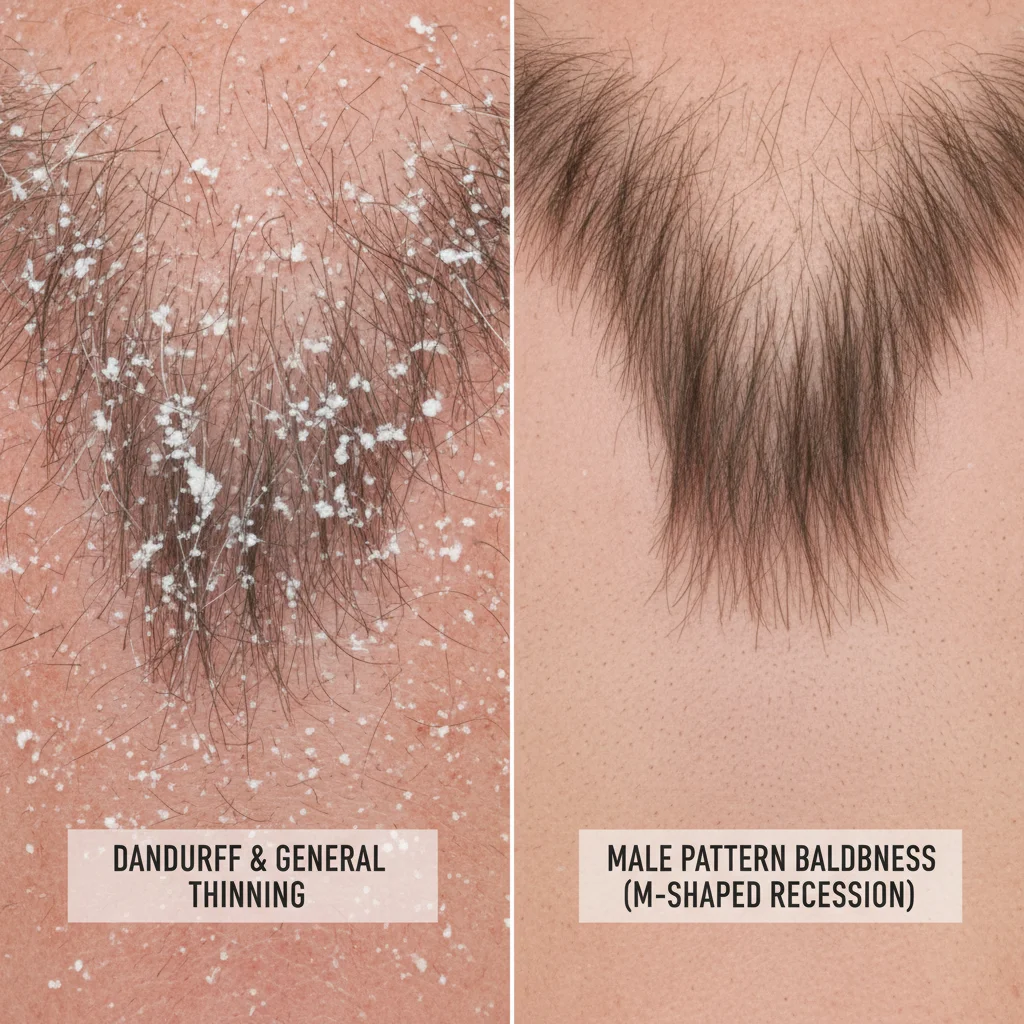
It’s vital to distinguish between hair fall related to scalp irritation and other forms of alopecia. For instance, the hair loss linked to vigorous scratching is often diffuse and temporary. In contrast, genetic pattern baldness (androgenetic alopecia) follows a specific pattern (like a receding hairline or crown thinning) and is progressive.
Effective Strategies to Treat Dandruff and Minimize Hair Loss
The good news is that by calming your scalp, you can stop the itch-scratch cycle and create a better environment for hair growth. Here is a breakdown of common, effective treatments:
| Treatment Type | How It Helps | Key Ingredients to Look For |
|---|---|---|
| Medicated Shampoos | Reduces fungus, slows skin cell turnover, and soothes inflammation. | Zinc Pyrithione, Selenium Sulfide, Ketoconazole, Coal Tar, Salicylic Acid |
| Scalp Treatments & Oils | Moisturizes a dry scalp, reduces flaking, and has antifungal properties. | Tea Tree Oil, Coconut Oil (use sparingly). For a deep dive on carrier oils, see our guide on castor carrier oil. |
| Lifestyle Adjustments | Manages stress and diet, which can be triggers for flare-ups. | Reduce stress, consider a balanced diet, and avoid harsh hair products. |
| Professional Care | Diagnoses underlying conditions like psoriasis or severe seborrheic dermatitis. | A dermatologist can prescribe stronger topical or oral medications. |
Important Note: Always follow the instructions on medicated shampoos. Overuse can sometimes dry out the scalp and hair, leading to further brittleness. Alternating with a gentle, moisturizing shampoo is often recommended.
When to See a Doctor
You should consult a dermatologist if:
* Over-the-counter dampoo isn’t working after several weeks.
* Your scalp is red, swollen, painful, or weeping.
* You notice large clumps of hair falling out or distinct bald patches.
* The flaking and itching are severe and impacting your daily life.
A professional can provide an accurate diagnosis, as conditions like psoriasis or fungal infections require specific treatments. Additionally, they can determine if your hair loss is due to another common issue, such as hormonal changes or nutritional deficiencies. For example, certain supplements targeted for prostate health often contain ingredients like saw palmetto, which is also studied for its benefits in treating pattern hair loss, highlighting how bodily systems are connected.
The Bottom Line
So, does dandruff cause hair loss? Not directly. However, the intense itching and inflammation it causes can lead to scratching, follicle damage, and temporary hair shedding. The primary goal is to treat the scalp condition to break this cycle.
By using targeted shampoos, adopting a gentle hair care routine, and seeking professional help when needed, you can effectively manage dandruff and create a healthy foundation for your hair to thrive. Remember, addressing overall health, from stress to nutrition, plays a supporting role in both scalp and hair vitality.