
Are Refried Beans Healthy? Nutrition & Benefits
Are Refried Beans Healthy? A Deep Dive into Nutrition & Benefits
Refried beans are a staple in many cuisines, famously featured in burritos, nachos, and as a hearty side dish. However, their health reputation often gets mixed reviews. Are they a nutritious source of plant-based protein and fiber, or a hidden source of unhealthy fats and sodium? The answer, as with many foods, is nuanced and depends heavily on how they are prepared. This comprehensive guide will break down the nutritional profile of refried beans, explore their potential health benefits and drawbacks, and provide practical tips for making them a healthy part of your diet.
What Are Refried Beans, Exactly?
Firstly, it’s important to clarify a common misconception: “refried” beans are not fried twice. The name comes from the Spanish “frijoles refritos,” which translates to “well-fried beans.” Traditionally, cooked pinto or black beans are mashed and then fried or sautéed in fat, often lard or oil, with seasonings. Consequently, the nutritional outcome hinges entirely on the ingredients and method used.
Nutritional Breakdown of Refried Beans
To understand if refried beans are healthy, we must examine their core components. A standard half-cup serving of canned, vegetarian refried beans provides a substantial nutrient profile.
| Nutrient | Amount (Per 1/2 cup serving) | % Daily Value (DV) Approx. |
|---|---|---|
| Calories | 100 – 120 kcal | – |
| Protein | 6-7 grams | 12% |
| Total Fat | 1-3 grams | 2-4% |
| Saturated Fat | 0-0.5 grams | 0-3% |
| Carbohydrates | 18-20 grams | 7% |
| Dietary Fiber | 5-6 grams | 20-24% |
| Sugars | 0-1 gram | – |
| Sodium | 400-500 mg | 17-22% |
Note: Values are approximate and can vary significantly between brands and recipes.
The Health Benefits: Why Refried Beans Can Be a Superfood
When prepared thoughtfully, refried beans offer several impressive health advantages.
1. Excellent Source of Plant-Based Protein and Fiber
Refried beans are rich in both protein and fiber, a powerful combination for overall health. The protein supports muscle maintenance and satiety, while the fiber promotes digestive health. Moreover, the high fiber content helps regulate blood sugar levels by slowing the absorption of carbohydrates. This makes them a particularly good choice for individuals managing diabetes or insulin resistance.
2. Supports Heart and Digestive Health
The soluble fiber in beans binds to cholesterol in the digestive tract, helping to remove it from the body, which can support lower LDL (“bad”) cholesterol levels. Additionally, the fiber acts as a prebiotic, feeding the beneficial bacteria in your gut. A healthy gut microbiome is linked to improved immunity, better mood, and reduced inflammation. For more on supporting your body’s systems, explore our guide on the best brain health supplements.
3. Rich in Essential Vitamins and Minerals
Beans are packed with vital nutrients. They are a good source of folate, which is crucial for cell growth and DNA formation, iron for healthy blood, magnesium for muscle and nerve function, and potassium, which helps counteract the effects of sodium on blood pressure.
The Potential Drawbacks: What to Watch Out For
Despite their benefits, some refried bean products can pose health concerns. Being aware of these allows you to make smarter choices.
High Sodium Content in Canned Versions
This is the most significant drawback. Many canned refried beans are loaded with sodium as a preservative and flavor enhancer. Consistently high sodium intake is linked to increased blood pressure and a higher risk of heart disease. Therefore, always check the nutrition label.
Unhealthy Fats in Traditional Preparations
Traditional recipes often use lard or hydrogenated oils, which are high in saturated or trans fats. These fats can raise LDL cholesterol levels and promote inflammation. Opting for versions made with vegetable oils or, better yet, no added fat, is a much healthier approach.
Presence of Additives
Some commercial brands may contain additives, preservatives, or artificial flavors. Reading the ingredient list is key to avoiding these unnecessary extras.
How to Choose and Make Healthy Refried Beans
You can easily maximize the benefits and minimize the drawbacks with a few simple strategies.
At the Grocery Store:
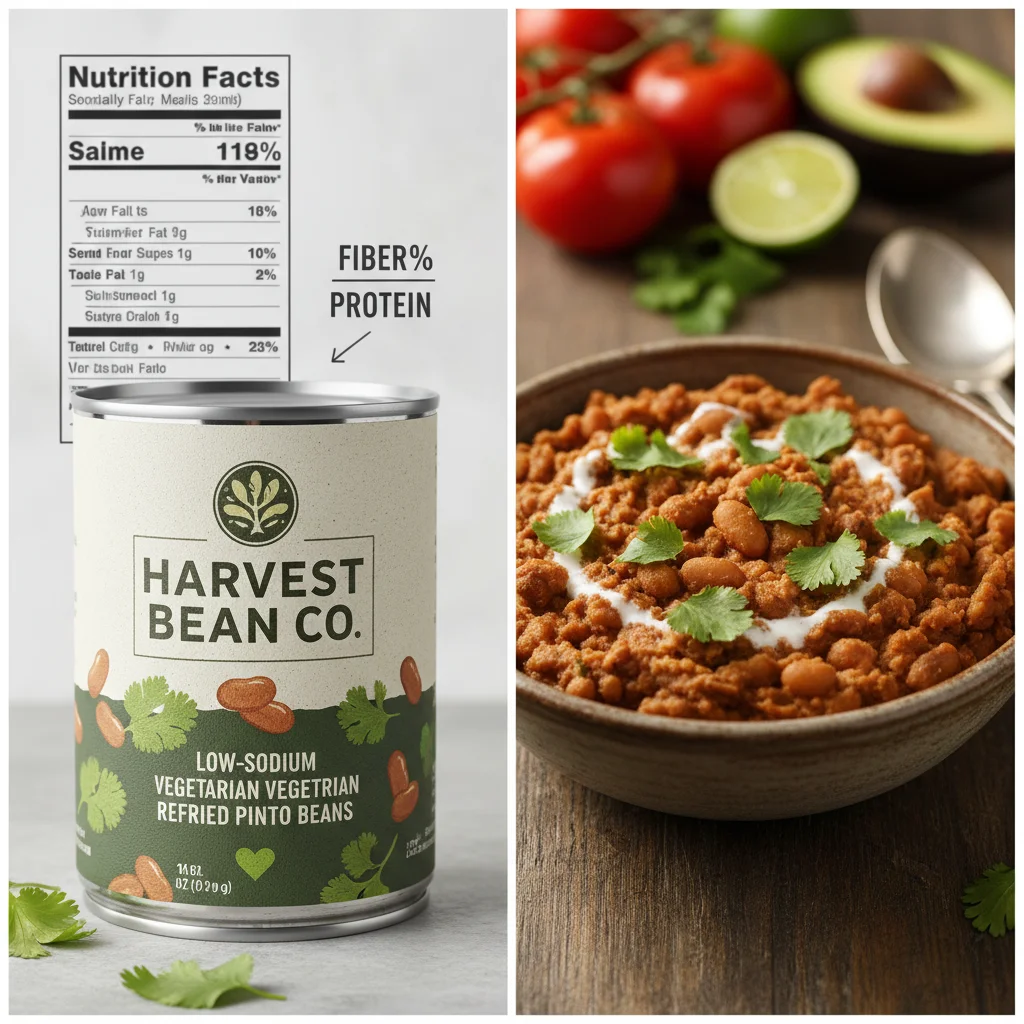
* Look for “Low-Sodium” or “No Salt Added” Labels: This is the single most important step.
* Check the Fat Source: Choose cans labeled “vegetarian” or “fat-free,” which are typically made with plant-based oils like sunflower or canola oil instead of lard.
* Read the Ingredient List: The shorter the list, the better. Ideally, it should contain only beans, water, salt (minimal), and perhaps some seasonings.
At Home (The Healthiest Option):
Making your own refried beans is surprisingly simple and gives you complete control.
1. Cook dried pinto or black beans (or use canned, no-salt-added beans for speed).
2. Sauté onions and garlic in a small amount of heart-healthy oil like olive or avocado oil.
3. Add the beans with a little cooking liquid or water, and season with cumin, chili powder, and a pinch of salt.
4. Mash with a potato masher or blend until you reach your desired consistency.
Refried Beans in a Balanced Diet
Refried beans are a versatile and nutritious component of a balanced diet. They pair excellently with whole grains like brown rice, in a whole-wheat tortilla with plenty of vegetables, or as a dip for fresh veggie sticks. Because they are so filling, they can aid in weight management by helping you feel satisfied for longer. For insights on other dietary choices, you might compare the health impacts of different salts in our article on Epsom salt vs normal salt.
The Final Verdict
So, are refried beans healthy? Yes, they can be a very healthy food. Their impressive fiber, protein, and micronutrient content offers substantial benefits for heart health, digestion, and blood sugar stability. The key is to be a selective consumer. Prioritize low-sodium, vegetarian options from the store, or better yet, prepare them at home with minimal oil and salt. When enjoyed as part of a varied diet rich in vegetables and whole grains, refried beans are a delicious and nutritious choice that definitely deserves a place on your plate.

