
Lipedema vs Cellulite: Key Differences, Symptoms & Treatment
Lipedema vs Cellulite: Understanding the Crucial Differences
If you’re concerned about changes in your body’s shape and texture, particularly in the legs and thighs, you may have wondered about the difference between lipedema and cellulite.
While both conditions affect the appearance of subcutaneous fat, they are fundamentally distinct in their causes, progression, and required management. Consequently, understanding which one you might be dealing with is the essential first step toward finding the right care and treatment.
This guide will break down the key characteristics, symptoms, and treatment options for lipedema and cellulite.
Moreover, we’ll provide a clear comparison table to help you distinguish between them at a glance.
What is Cellulite?
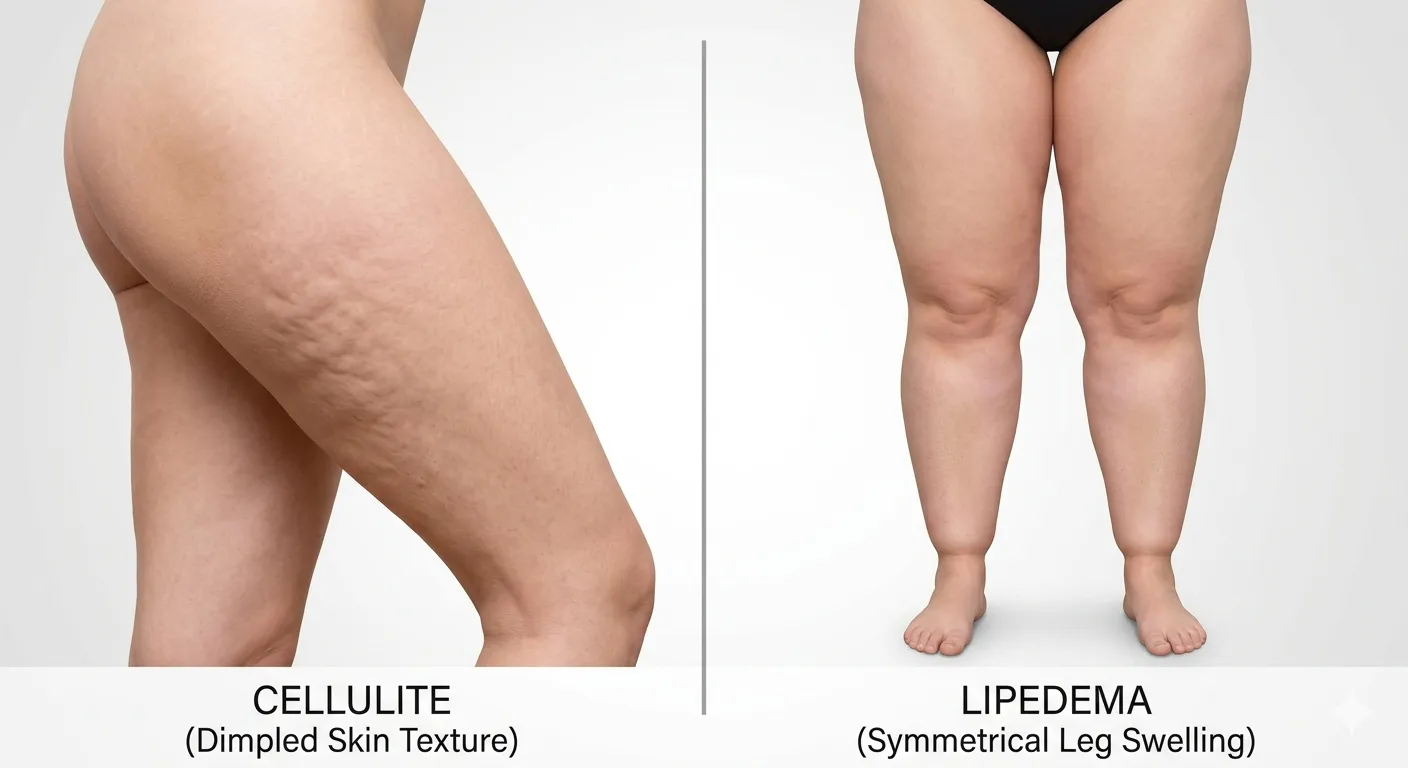
Cellulite is an extremely common, benign skin condition that gives the skin a dimpled or lumpy appearance, often described as resembling cottage cheese or an orange peel.
It occurs when fat deposits push through the connective tissue bands (septae) beneath the skin. Importantly, cellulite is not a medical disorder or a sign of poor health.
Key Characteristics of Cellulite:
* Prevalence: Affects an estimated 80-90% of post-pubertal women, regardless of body weight.
* Appearance: Dimpled, puckered skin, primarily on the thighs, buttocks, and abdomen.
* Texture: The skin feels normal but looks uneven. The dimpling is often more visible when the skin is pinched.
* Cause: Influenced by genetics, hormones, skin thickness, and the structure of the fibrous connective cords.
* Pain: Cellulite is typically not painful.
Many lifestyle factors, including diet and hydration, can influence skin health. For instance, understanding the role of antioxidants for prostate health highlights how nutrients support tissue integrity, which is a principle that can apply to skin and connective tissue health more broadly.
What is Lipedema?
Lipedema is a chronic, often progressive medical disorder characterized by a symmetrical, abnormal accumulation of fat cells (adipose tissue) in the legs, hips, and sometimes arms. This buildup is disproportionate to the rest of the body and is frequently painful and tender to the touch. Unlike general obesity or cellulite, lipedema fat is resistant to diet and exercise.
Key Characteristics of Lipedema:
* Prevalence: Primarily affects women, often starting or worsening during hormonal shifts like puberty, pregnancy, or menopause.
* Appearance: Column-like, symmetrical swelling in the legs and/or arms, often with a noticeable cuff at the ankles or wrists.
* Texture: The tissue feels nodular or like small pearls under the skin and is often tender or bruised.
* Cause: Believed to involve genetic, hormonal, and vascular/lymphatic factors. It is a disorder of adipose tissue deposition.
* Pain: Lipedema is often painful. Individuals may experience tenderness, easy bruising, and a heavy, aching sensation.
Because lipedema involves metabolic and inflammatory components, managing overall health is crucial. For example, maintaining stable blood sugar levels can be an important part of a supportive wellness plan for any chronic condition.
Lipedema vs Cellulite: A Side-by-Side Comparison
The following table outlines the primary differences between these two conditions to aid in identification.
| Feature | Cellulite | Lipedema |
|---|---|---|
| Medical Condition | No, it’s a common cosmetic skin condition. | Yes, it’s a chronic medical disorder of fat deposition. |
| Primary Symptom | Dimpled, puckered skin texture. | Symmetrical, disproportionate fat buildup that is often painful. |
| Pain or Tenderness | Typically painless. | Often painful, tender, and bruises easily. |
| Affected Areas | Thighs, buttocks, abdomen, sometimes arms. | Legs, hips, buttocks (and sometimes arms), usually sparing the feet/hands. |
| Response to Diet/Exercise | Appearance can improve with fat loss and muscle toning. | Fat deposits are largely resistant to diet and exercise. |
| Texture to Touch | Skin feels normal; dimpling visible. | Tissue feels nodular, like beads or peas under the skin. |
| Swelling (Edema) | Not typically associated. | Common, especially as the day progresses. Can progress to lymphedema. |
| Gender Prevalence | Overwhelmingly affects women, but can occur in men. | Almost exclusively affects women. |
Diagnosis and Treatment Pathways
The approach to managing these conditions differs significantly because their root causes are not the same.
Addressing Cellulite
Since cellulite is a cosmetic concern, treatments focus on improving the skin’s appearance. Options range from topical creams (like retinoids or caffeine) to professional procedures such as:
* Laser and Radiofrequency Therapies: To tighten skin and promote collagen.
* Massage & Suction Techniques: Like Endermologie.
* Minimally Invasive Procedures: Such as subcision or injectable fillers.
Healthy lifestyle habits, including a balanced diet and staying hydrated, can support skin quality. For those exploring dietary approaches, understanding options like zero-carb drinks can be part of a broader nutritional strategy.
Managing Lipedema
Diagnosis of lipedema is typically clinical, made by a physician (often a vascular specialist, lymphologist, or dermatologist) based on symptoms and physical exam. Treatment is focused on symptom management, slowing progression, and improving quality of life. A comprehensive approach may include:
* Complete Decongestive Therapy (CDT): Involves manual lymphatic drainage, compression garments, skin care, and exercise.
* Specialized Movement: Low-impact exercises like swimming or walking.
* Dietary Support: An anti-inflammatory diet may help manage pain and inflammation.
* Surgical Options: Liposuction with specific techniques (like tumescent or water-jet-assisted) can remove lipedema fat and is often considered the most effective long-term treatment.
Mental and emotional support is also vital, as living with a chronic painful condition can be challenging. Exploring resources for overall wellness, such as reviews for best brain health supplements, can underscore the importance of holistic self-care.
Key Takeaway: When to See a Doctor
If you suspect you might have lipedema—especially if you experience painful, symmetrical fat accumulation that doesn’t respond to lifestyle changes—it is crucial to consult a healthcare professional for an accurate diagnosis. Early intervention can help manage symptoms and prevent complications.
If you are primarily concerned with the cosmetic appearance of cellulite, you can discuss various treatment options with a dermatologist or licensed aesthetician.
Disclaimer: This article is for informational purposes only and is not a substitute for professional medical advice, diagnosis, or treatment. Always seek the advice of your physician or other qualified health provider with any questions you may have regarding a medical condition.
For more detailed medical information, you can refer to resources like the National Institutes of Health (NIH) or the Mayo Clinic.

