
5 Benefits of Burdock Root Tea & How to Make
Burdock Root Tea: A Deep-Rooted Herbal Tradition
For centuries, burdock root (Arctium lappa) has held a revered place in traditional medicine systems across Europe and Asia. Today, its earthy, slightly sweet essence is most commonly enjoyed as a soothing herbal infusion. Burdock root tea is celebrated not only for its unique flavor but also for its array of potential wellness benefits, making it a staple in many holistic health cabinets.
What is Burdock Root?
Burdock is a hardy plant, often considered a weed, characterized by its large, heart-shaped leaves and prickly seed burrs. However, the true treasure lies beneath the soil. The long, dark root is dried and sliced to create the material for tea. It is rich in powerful compounds, including inulin (a prebiotic fiber), antioxidants, and various polyphenols, which are primarily responsible for its purported health effects.
Potential Health Benefits of Burdock Root Tea
While more robust human clinical trials are needed, traditional use and preliminary research point to several compelling reasons to sip this earthy brew.
1. Supports Skin Health
Burdock root has a long history of use for promoting clear, healthy skin. Its antioxidant and anti-inflammatory properties may help combat the oxidative stress that can contribute to skin issues. Consequently, some individuals use it as a complementary approach for managing conditions like acne and eczema. For other natural wellness ideas, explore our review of a Medicinal Garden Kit.
2. Acts as a Natural Diuretic
This tea is traditionally known as a “blood purifier” and diuretic. It may help stimulate kidney function and increase urine output, thereby supporting the body’s natural detoxification pathways by flushing out excess fluids and waste products.
3. Provides Antioxidant Power
Burdock root contains quercetin, luteolin, and phenolic acids—potent antioxidants that help neutralize harmful free radicals. This activity can reduce oxidative stress in the body, which is linked to chronic inflammation and aging.
4. May Aid Digestive Health
The high inulin content in burdock root acts as a soluble prebiotic fiber. Therefore, it serves as food for the beneficial bacteria in your gut. A healthy gut microbiome is crucial for overall digestion, immune function, and even mental well-being. For more on supporting your digestive system, you might consider the best powder supplements for gut health.
5. Potential Blood Sugar Support
Some animal studies suggest that burdock root may help moderate blood sugar levels after meals, likely due to its fiber content. However, individuals with diabetes should consult a healthcare provider before using it therapeutically. For general guidance on managing glucose, see our blood sugar levels guide.
Nutritional Profile at a Glance
While typically consumed in small amounts, burdock root contributes valuable nutrients to your diet.
| Nutrient/Compound | Primary Function in Burdock Root Tea |
|---|---|
| Inulin (Prebiotic Fiber) | Feeds beneficial gut bacteria, supports digestion. |
| Antioxidants (e.g., Quercetin) | Combats oxidative stress and reduces inflammation. |
| Potassium | Supports heart health and fluid balance. |
| Polyphenols | Offers anti-inflammatory and cellular protective effects. |
| Essential Fatty Acids | Contributes to skin and membrane health. |
How to Make Burdock Root Tea
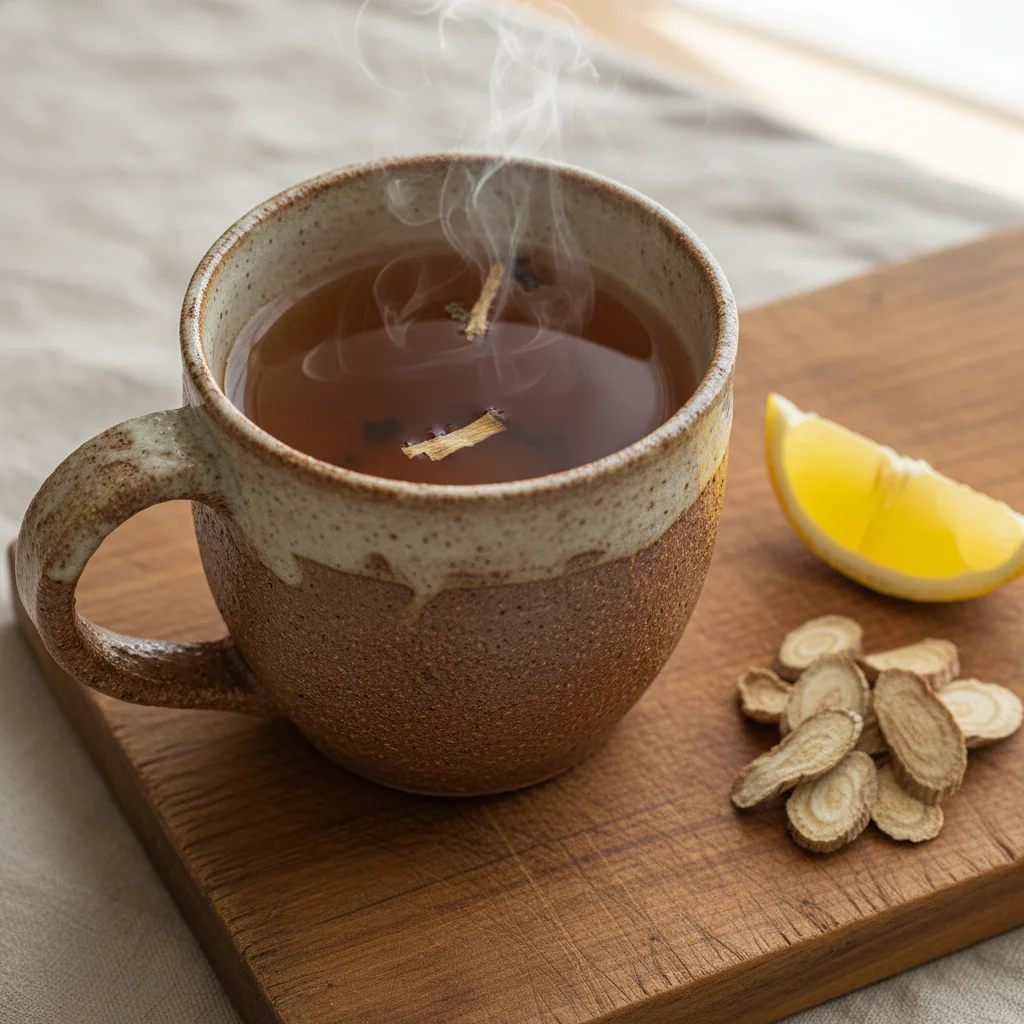
Brewing a perfect cup of burdock root tea is simple. You can use pre-packaged tea bags or loose, dried root slices.
Ingredients:
* 1 tablespoon of dried, chopped burdock root (or 1 tea bag)
* 1 cup (8 oz) of water
* Optional: Honey, lemon, or ginger to taste
Instructions:
1. Boil Water: Firstly, bring fresh, cold water to a rolling boil.
2. Steep: Place the burdock root in a cup or teapot. Pour the boiling water over it, cover, and let it steep for 5 to 10 minutes. A longer steep will yield a stronger, more potent flavor.
3. Strain and Serve: Secondly, strain the tea to remove the root pieces. Finally, add optional flavorings like a dash of honey or a slice of lemon if desired.
Important Safety and Side Effects
While generally considered safe for most people in culinary amounts, caution is advised.
- Allergies: Individuals allergic to plants in the Asteraceae/Compositae family (like ragweed, chrysanthemums, or chamomile) may react to burdock. If you enjoy other herbal teas, learn about potential chamomile tea benefits and considerations.
- Diuretic Effect: Because it can increase urination, ensure you stay hydrated.
- Pregnancy/Breastfeeding: There is insufficient safety data; therefore, it’s best to avoid medicinal use during these times.
- Medication Interactions: Burdock may interact with diabetes medications (due to its potential blood sugar-lowering effect) and diuretic drugs. Always consult with a healthcare professional before adding burdock root tea to your regimen if you have a health condition or are taking prescription medications.
Where to Find Burdock Root Tea
You can typically find burdock root tea in health food stores, specialty tea shops, and online retailers. Look for organic products from reputable brands to ensure quality and purity. It is often sold alone or in blends with other supportive herbs like dandelion or ginger.
The Bottom Line
Burdock root tea offers an earthy, pleasant way to explore traditional herbal remedies. Its potential benefits for skin, digestion, and detoxification support make it a noteworthy addition to a wellness-focused lifestyle. However, it is not a miracle cure. Approach it as a complementary practice, pay attention to your body’s responses, and prioritize professional medical advice for specific health concerns. Ultimately, a simple cup of this ancient brew can be a soothing ritual that connects you to centuries of herbal wisdom.

