
Ultimate Craft Barn Creative Space Guide
Craft Barn Essentials: Your Ultimate Creative Space Guide
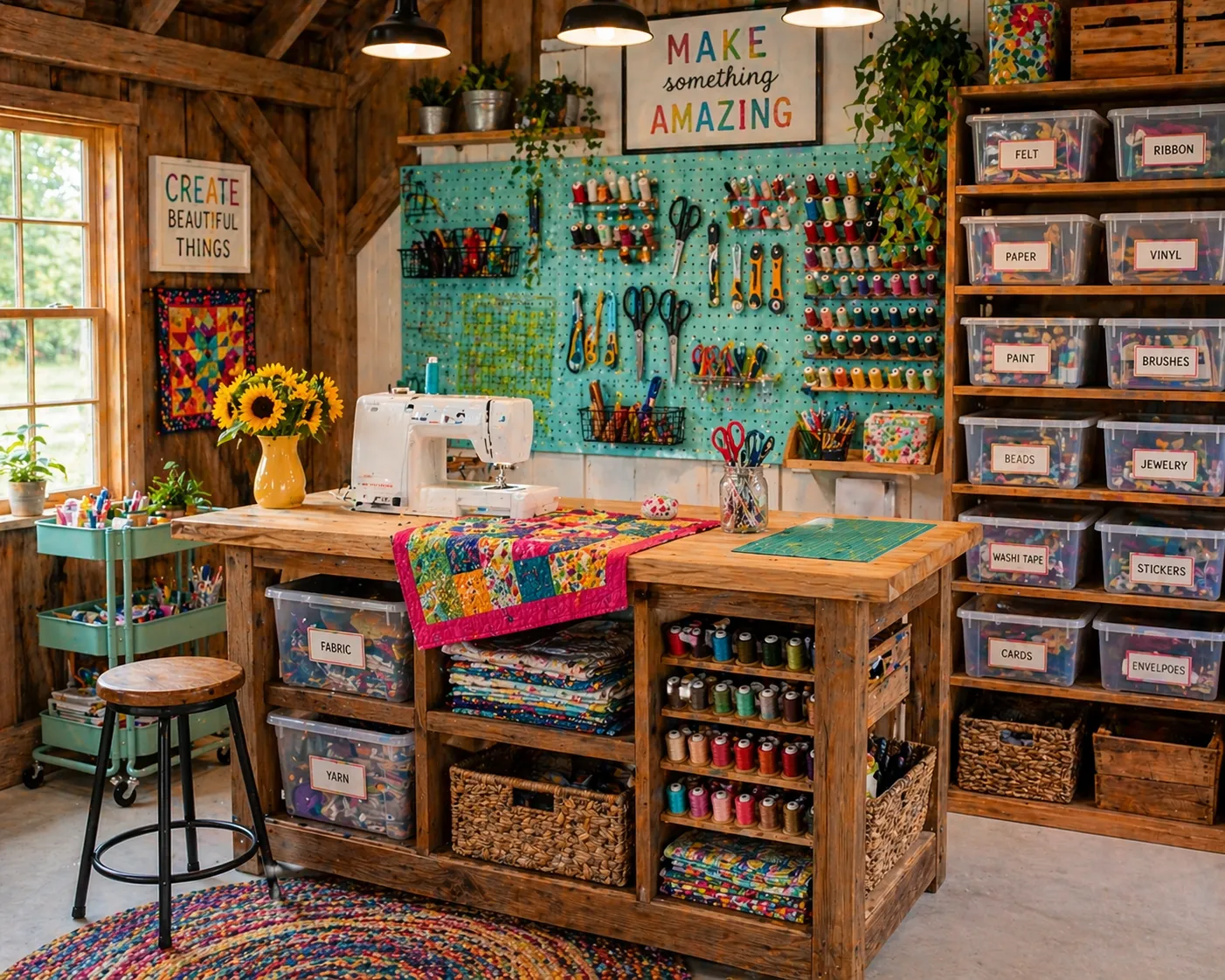
Imagine a dedicated sanctuary where creativity flows freely, supplies are impeccably organized, and every project finds its home. This is the dream of a craft barn—a personalized haven for makers, artists, and DIY enthusiasts. Consequently, transforming any space into your ideal creative workshop requires thoughtful planning. This guide will walk you through the essential steps to design, organize, and stock your perfect craft barn.
What is a Craft Barn?
Firstly, let’s define the concept. A craft barn is typically a detached outbuilding, garage, or spare room converted into a primary space for crafting activities. It serves as a centralized location for storing materials, tools, and works-in-progress, thereby separating creative chaos from the main living areas. Moreover, having a dedicated space can significantly boost productivity and inspiration because it minimizes setup time and mental clutter.
Essential Zones for an Organized Craft Barn
An efficient craft barn is divided into functional zones. This strategic layout prevents the space from becoming a catch-all storage room and instead promotes an active workshop.
1. The Central Workstation
This is the heart of your craft barn. A large, sturdy table is non-negotiable. Consider a height-adjustable model or one with built-in storage underneath. Good, adjustable lighting is critical here to reduce eye strain during detailed work.
2. Storage and Shelving Solutions
Effective storage is the backbone of any functional craft space. Utilize a mix of solutions:
* Open Shelving: Ideal for frequently used items and bins labeled by project type or material.
* Closed Cabinets: Perfect for storing less-attractive supplies or protecting materials from dust.
* Pegboards: A versatile classic for hanging tools, scissors, rolls of ribbon, and spools of thread within arm’s reach.
3. Material-Specific Areas
Group similar items together to streamline your workflow. Common zones include:
* Fabric & Textile Station: Include a cutting table, ironing board, and racks for fabric bolts.
* Paper & Scrapbooking Corner: Flat files or vertical organizers are perfect for protecting paper.
* Painting & Finishing Area: Ensure ventilation and easy-to-clean surfaces here.
Must-Have Supplies to Stock Your Craft Barn
While your inventory will depend on your niche, certain supplies are universally useful for a multitude of projects. Here is a foundational checklist:
| Category | Essential Items | Pro-Tip |
|---|---|---|
| Adhesives | Hot glue gun, craft glue, double-sided tape, strong epoxy | Designate a shelf for adhesives only; check expiration dates annually. |
| Cutting Tools | Precision craft knives, fabric shears, paper trimmers, rotary cutters | Crucially, keep blades sharp and store them safely. |
| Measuring & Marking | Rulers, measuring tapes, quilting squares, washable fabric markers | A self-healing cutting mat protects your work surface and improves accuracy. |
| Fasteners & Findings | Assorted buttons, zippers, hooks, eyelets, jewelry clasps | Store in clear, compartmentalized containers for instant visibility. |
| Basic Materials | Assorted papers, neutral fabric muslin, white glue, primary acrylic paints | Buying quality basics in bulk saves money over time. |
Inspiring Project Ideas for Your Craft Barn
With your space organized, it’s time to create! Here are a few ideas to kickstart your making journey.
- Custom Home Decor: Create framed textile art, hand-painted plant pots, or woven wall hangings.
- Personalized Gifts: Design monogrammed tote bags, handmade candles, or custom jewelry. The personal touch of a handmade gift is always appreciated.
- Seasonal Crafts: Use your barn to prepare for holidays—make your own wreaths, ornaments, or decorative centerpieces.
Furthermore, remember that your craft barn can also support wellness. The act of creating is a fantastic stress reliever. For instance, after a long crafting session, you might enjoy a soothing cup of the best tea for sore throat or a specialty blend like Rubus tea from South Africa.
Maintaining Your Creative Sanctuary
Finally, the key to a lasting craft barn is maintenance. Dedicate 10-15 minutes at the end of each session for a “reset”: put tools away, dispose of scraps, and wipe down surfaces. Additionally, conduct a seasonal purge of dried-up paints, half-used glue bottles, and fabric scraps you know you’ll never use. This habit ensures your barn remains a place of inspiration, not frustration.
In conclusion, building your dream craft barn is a rewarding project in itself. By thoughtfully designing zones, investing in smart storage, and stocking versatile supplies, you create more than just a room—you build a foundation for endless creativity. Therefore, start planning, get organizing, and unlock the full potential of your making spirit.

