
Crafting Futures Accordshort Guide
Crafting Futures Accordshort: A Guide to Sustainable Agreements
In an era defined by rapid change and complex challenges, the need for robust, forward-thinking agreements has never been greater. Consequently, frameworks like the Crafting Futures Accordshort have emerged as vital tools for structuring collaborative efforts that are both equitable and sustainable. This guide will explore what this accord entails, its core principles, and how it can be applied to foster meaningful progress.
What is the Crafting Futures Accordshort?
The Crafting Futures Accordshort is not a single document but a conceptual framework for creating pacts, partnerships, and agreements designed with long-term viability and shared benefit in mind. Fundamentally, it emphasizes short-form accords—concise, clear, and actionable agreements—that are crafted with the future health of all stakeholders and the planet in consideration.
The term “Accordshort” itself suggests a departure from lengthy, legally dense treaties. Instead, it champions accessibility and clarity, ensuring all parties have a mutual understanding of their commitments. This approach is particularly valuable in cross-sector collaborations, community projects, and sustainable business ventures where traditional contracts may create barriers.
Core Principles of the Framework
The strength of the Crafting Futures Accordshort lies in its foundational principles. These tenets guide the development of any agreement under this model.
1. Equity and Inclusivity
Firstly, any accord must be built on a foundation of fairness. This means actively involving all affected parties in the crafting process and ensuring the benefits and responsibilities are distributed justly. An equitable agreement acknowledges different starting points and seeks to uplift all participants.
2. Sustainability and Regeneration
Secondly, the framework mandates that agreements contribute positively to environmental and social systems. This goes beyond “doing no harm” to actively regenerating resources and communities. For instance, a business partnership might include binding commitments to sustainable sourcing, much like choosing grassfed butter over conventional options reflects a commitment to better agricultural practices.
3. Clarity and Adaptability
Moreover, the “short” in Accordshort underscores the need for clear, jargon-free language. However, clarity does not mean rigidity. Built-in review mechanisms allow the accord to adapt to new circumstances, scientific understanding, or stakeholder feedback, ensuring its relevance over time.
4. Mutual Accountability
Finally, the framework establishes transparent metrics for success and clear channels for accountability. All parties are responsible not just for their own deliverables, but for upholding the spirit of the partnership, fostering a culture of trust and continuous collaboration.
Practical Applications and Examples
The versatility of the Crafting Futures Accordshort allows it to be applied across various domains. Here are a few illustrative examples:
| Sector | Application of Accordshort | Key Benefit |
|---|---|---|
| Local Food Systems | A pact between urban farmers, local markets, and restaurants to source produce within a 50-mile radius, with agreed-upon pricing that supports farm viability. | Builds community resilience, reduces carbon footprint, and ensures fair wages. |
| Community Health | An agreement between a neighborhood council and a health clinic to provide preventative care workshops, with success measured by community participation rates. | Improves public health outcomes through proactive, accessible education. |
| Sustainable Product Development | A short-form accord between a supplement brand and its growers to use regenerative farming practices for botanicals, ensuring ingredient purity. | Guarantees a sustainable supply chain and high-quality products, similar to the standards one might seek in raw almond sourcing. |
| Creative Collaborations | A clear, simple agreement between artists and a gallery outlining revenue sharing, exhibition responsibilities, and intellectual property rights. | Protects creators while fostering a transparent and supportive artistic ecosystem. |
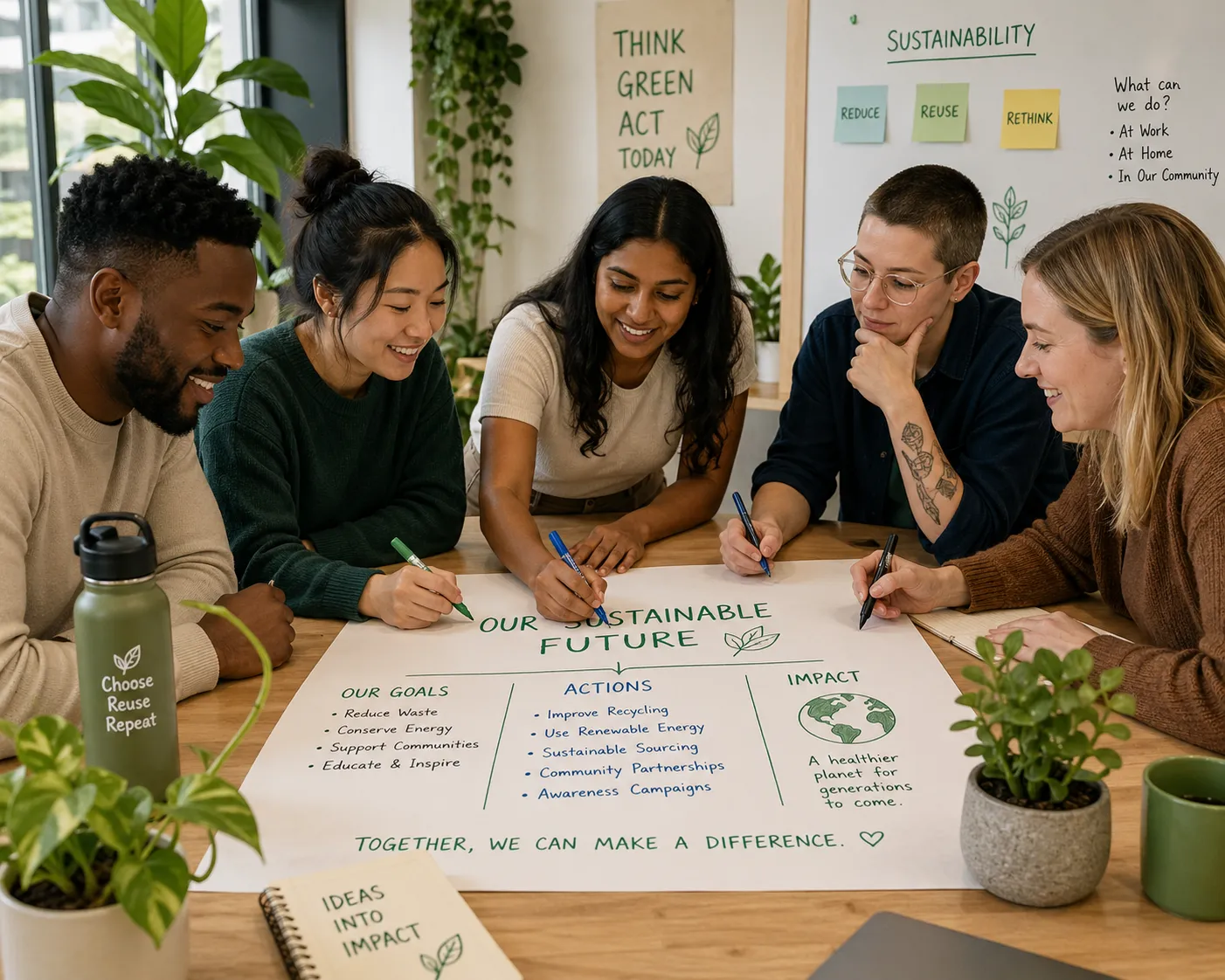
Benefits of Adopting an Accordshort Approach
Adopting this framework offers tangible advantages over traditional agreement models. Primarily, it builds deeper trust by making intentions and expectations transparent from the outset. Additionally, because the process is inclusive, it often leads to more innovative and holistic solutions, as diverse perspectives are integrated.
Furthermore, the focus on sustainability helps future-proof collaborations against regulatory changes and shifting consumer values. For example, a company that has an accordshort in place for sustainable packaging is already aligned with growing environmental concerns, giving it a competitive edge.
From a practical standpoint, the concise nature of these agreements saves time and legal resources, allowing partners to move quickly from negotiation to action. This agility is crucial in addressing urgent challenges.
How to Begin Crafting Your Own Accord
Starting the process requires intention. Begin by convening all key stakeholders for an open dialogue about shared goals and concerns. Identify non-negotiable principles, such as environmental protection or community benefit. Then, draft a simple, one-page document that outlines:
* The shared vision.
* Specific, measurable commitments from each party.
* How success will be evaluated.
* A schedule for review and adaptation.
Remember, the goal is not a perfect first draft but a living document that embodies the spirit of collaborative, future-focused partnership. The process itself can be as valuable as the final agreement, strengthening relationships and aligning visions.
Conclusion
The Crafting Futures Accordshort represents a paradigm shift in how we formalize collaboration. By prioritizing equity, sustainability, clarity, and mutual accountability, this framework helps build agreements that are not merely transactional but transformational. Whether you’re launching a community project, a business partnership, or an international initiative, applying these principles can help ensure your work creates a positive and lasting legacy.
For those interested in personal health accords, exploring the benefits of specific wellness practices, such as drinking green tea on an empty stomach, can be a simple starting point for a healthier future.