
Craft Cottage Builders Guide- Design Styles, Costs
Your Guide to Working with Craft Cottage Builders
Dreaming of a charming, custom-built small home? You’re not alone. The allure of a craft cottage—a thoughtfully designed, often handcrafted small dwelling—has captured the imagination of many seeking simplicity, quality, and personal expression.
Consequently, finding the right craft cottage builder is the most critical step in turning your vision into a tangible retreat. This guide will walk you through everything you need to know, from defining your style to navigating the build process.
What is a Craft Cottage Builder?
Firstly, it’s essential to understand the specialty. A craft cottage builder is a professional or company that focuses on constructing small, high-quality homes, often with an emphasis on custom details, artisanal techniques, and sustainable materials.
Unlike large-scale production builders, they typically handle a limited number of projects per year, allowing for greater attention to detail. Moreover, their work often blurs the line between construction and craftsmanship, resulting in a home that feels uniquely personal and built to last.
Key Characteristics of Their Work:
- Customization: Every element can be tailored, from floor plans to built-in furniture.
- Material Focus: Frequent use of natural, local, or reclaimed materials like wood, stone, and metal.
- Artisan Details: Hand-forged hardware, custom millwork, and unique tile work are common.
- Small Footprint: Expertise in maximizing space and functionality in a compact layout.
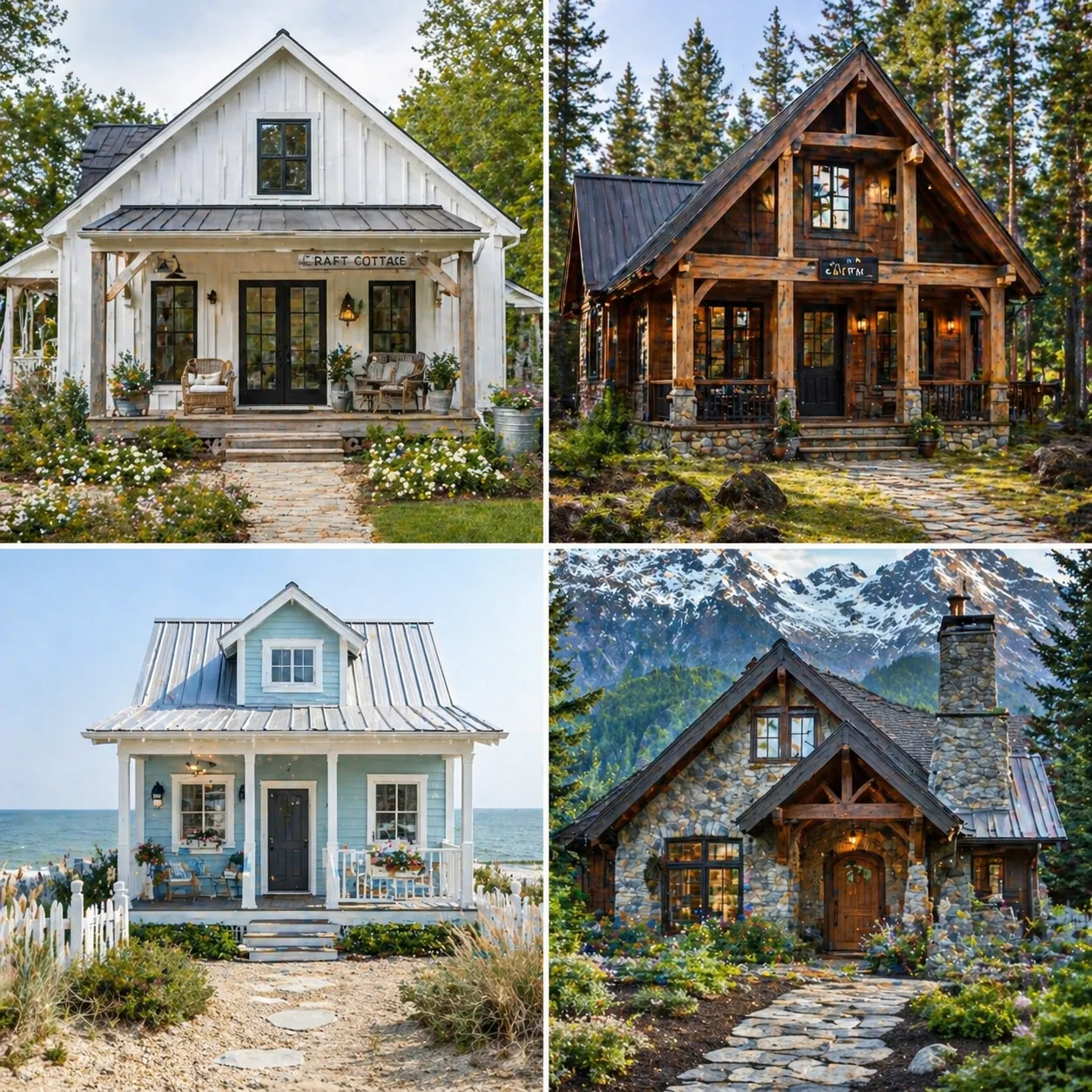
Popular Craft Cottage Styles and Designs
Your journey begins with inspiration. Therefore, exploring different architectural styles will help you communicate your vision effectively to your builder.
1. The Modern Farmhouse Cottage
This style combines rustic warmth with clean lines. Think board-and-batten siding, metal roofs, large windows, and open, airy interiors. It’s perfect for those who love a timeless yet contemporary feel.
2. The Rustic Timber Frame Cottage
Characterized by exposed wooden beams and posts, this style emphasizes structural beauty. It often uses raw nuts of timber—solid, unprocessed pieces—for a robust and organic aesthetic, much like choosing whole, unprocessed foods for health.
3. The Coastal or Nautical Cottage
Designed for relaxation, this style features light colors, weathered wood, ample windows for natural light, and cozy nooks. It evokes a sense of perpetual calm.
4. The Mountain or Forest Retreat
Built to blend with nature, these cottages use stone foundations, large decks, and materials that weather gracefully. The design prioritizes connection to the outdoors.
The Build Process: What to Expect
Working with a craft builder is a collaborative journey. Here’s a typical step-by-step process:
1. Initial Consultation & Vision Sharing
This is where you discuss your ideas, budget, and timeline. A good builder will listen intently and ask clarifying questions.
2. Design & Planning
Many craft builders offer in-house design services or work closely with architects you hire. This phase involves creating detailed blueprints and selecting materials.
3. Material Sourcing & Permitting
Your builder will source quality materials, which may include specialty items. Simultaneously, they will handle the necessary building permits—a crucial and often complex step.
4. Construction Phase
This is where the craft shines. The builder and their skilled crew execute the plan, paying close attention to the details you’ve specified. Regular site visits are encouraged.
5. Final Walkthrough & Completion
Once construction is finished, you’ll do a detailed inspection with the builder to ensure every detail meets the agreed-upon standard before receiving the keys.
Cost Considerations for a Craft Cottage
Because of the custom nature of the work, costs can vary widely. It’s more akin to commissioning a piece of functional art than buying a standard home.
| Cost Factor | Description & Impact |
|---|---|
| Size & Complexity | The single largest factor. A simple 400 sq. ft. cottage costs far less than a 1,200 sq. ft. home with complex angles and levels. |
| Material Choices | Premium materials (e.g., reclaimed barn wood, slate roofing, handmade tiles) significantly increase cost but add immense character. |
| Site Work | Difficult terrain, the need for extensive excavation, or remote locations can add substantial preparation expenses. |
| Builder Expertise | Highly sought-after artisans command higher labor rates, which are often reflected in the superior quality and finish of the home. |
| Interior Finishes | Custom cabinets, specialty flooring, and high-end fixtures are where a significant portion of the budget can be allocated. |
Average Cost Range: You can expect a broad range, from approximately $200 to $400+ per square foot, depending on the factors above. Therefore, a 600 sq. ft. cottage could range from $120,000 to over $240,000.
How to Choose the Right Craft Cottage Builder
Selecting your builder is a decision that warrants careful research. Here is a actionable checklist to guide you:
- Review Portfolios Thoroughly: Look for a style that resonates with your vision. Do you see the artistry and attention to detail you desire?
- Check References & Visit Past Projects: Speak directly to previous clients. Ask about communication, problem-solving, and whether the project stayed on budget.
- Understand Their Process: Inquire about their design involvement, subcontractor network, and project management style.
- Evaluate Communication: From your first interaction, gauge their responsiveness and willingness to explain concepts. This relationship will last months.
- Get Detailed Bids: Ensure bids are itemized and specify materials, labor, and timelines. Compare more than just the bottom line.
Questions to Ask Your Potential Builder
- “Can you walk me through a recent project from start to finish?”
- “How do you handle changes or unexpected issues during construction?”
- “What is your expected timeline for a project of my scope?”
- “Do you have experience with sustainable building practices or specific certifications?”
- “What does your payment schedule look like?”
Frequently Asked Questions (FAQs) – Craft Cottage Builders
1. What is Craft Cottage Builders?
Craft Cottage Builders is a company that builds luxury modular cottage-style homes designed for residential, vacation, rental, and accessory dwelling uses.
2. Where is Craft Cottage Builders located?
The company is based in Forsyth, Georgia, USA.
3. What type of homes does Craft Cottage Builders build?
They specialize in modular cottage homes with compact layouts, luxury finishes, and permanent installation foundations.
4. Are Craft Cottage homes modular or manufactured homes?
They describe their homes as modular homes built in a factory and installed on-site as real property, not mobile homes.
5. What are Craft Cottage homes used for?
These homes can be used as primary residences, vacation homes, guest houses, mother-in-law suites, ADUs, or rental properties.
6. How long does it take to build a Craft Cottage home?
The company states homes can be completed and installed in a few months, often faster than traditional site-built homes.
7. Are Craft Cottage homes luxurious?
Yes, the company markets them as compact homes with premium materials, quality finishes, and comfortable living spaces.
8. Can Craft Cottage Builders build on my land?
They state they prepare the lot, build the foundation, deliver, and install the home on the customer’s property.
9. Are these homes good for rental income?
Yes, the company highlights short-term vacation rentals and long-term rental use as common applications.
10. Do they offer commercial projects?
Yes, they mention hospitality, senior living, student housing, and small-home developments for commercial buyers.
11. Can floor plans be customized?
For larger commercial projects, they state custom floor plans may be available.
12. Why do people choose modular cottage homes?
Many buyers choose them for faster construction, lower maintenance, efficient layouts, and attractive design.
13. Are Craft Cottage homes permanent structures?
Yes, the company states their cottages are permanently placed and treated as real property.
14. How do I contact Craft Cottage Builders?
Their website lists phone and email contact options for inquiries.
15. Is Craft Cottage Builders worth considering?
If you want a compact luxury modular home with faster build timelines, they may be worth exploring based on your land, budget, and location needs.
Living the Cottage Life: Beyond Construction
Embracing a smaller, craft-built home often aligns with a mindful lifestyle. It encourages quality over quantity, both in possessions and daily experiences.
Furthermore, the personalized space can become a sanctuary for your own hobbies—whether that’s brewing a cup of linden tree tea in your custom kitchen nook or setting up a corner for preschool crafts for fall with your family.
Building a craft cottage is a significant undertaking, but for those who value uniqueness, quality, and intention in their living space, it is an immensely rewarding one. By thoroughly researching builders, clearly defining your needs, and embracing the collaborative process, you can create a beautiful, enduring home that is truly crafted for you.