
InVision Logo Design Guide & Practices
How to Craft a Professional InVision Logo for Your Brand
Crafting a logo for a design platform like InVision requires a deep understanding of both brand identity and the principles of effective visual design. A logo is not merely a graphic; it is the cornerstone of your brand’s visual communication. Consequently, a well-designed InVision logo must embody creativity, precision, and digital innovation.
This guide will walk you through the essential steps, tools, and best practices to create a logo that is both memorable and perfectly suited for a design-forward audience.
Understanding the InVision Brand Identity
Before you begin sketching, it’s crucial to analyze the existing InVision brand. InVision is synonymous with digital product design, prototyping, and collaboration. Their visual identity is clean, modern, and approachable. Therefore, your crafted logo should resonate with these core values: clarity, innovation, and connection.
A successful logo for a design tool must communicate trust and capability. Moreover, it should appeal to a professional audience of designers, product managers, and developers. Because this audience is visually literate, the design must be exceptionally polished and conceptually sound.
Key Principles for Crafting Your Logo
Adhering to fundamental design principles is non-negotiable for creating an effective logo. Here are the core tenets to guide your process:
- Simplicity: A simple design ensures recognizability and scalability, from a browser favicon to a large billboard.
- Relevance: The logo must visually connect to the design, prototyping, or digital creation space.
- Versatility: It should work in full color, black and white, and across various digital and print mediums.
- Memorability: A unique and clever design will stick in the minds of your potential users.
- Timelessness: Avoid fleeting trends to ensure the logo remains effective for years to come.
Step-by-Step Process to Craft Your Logo
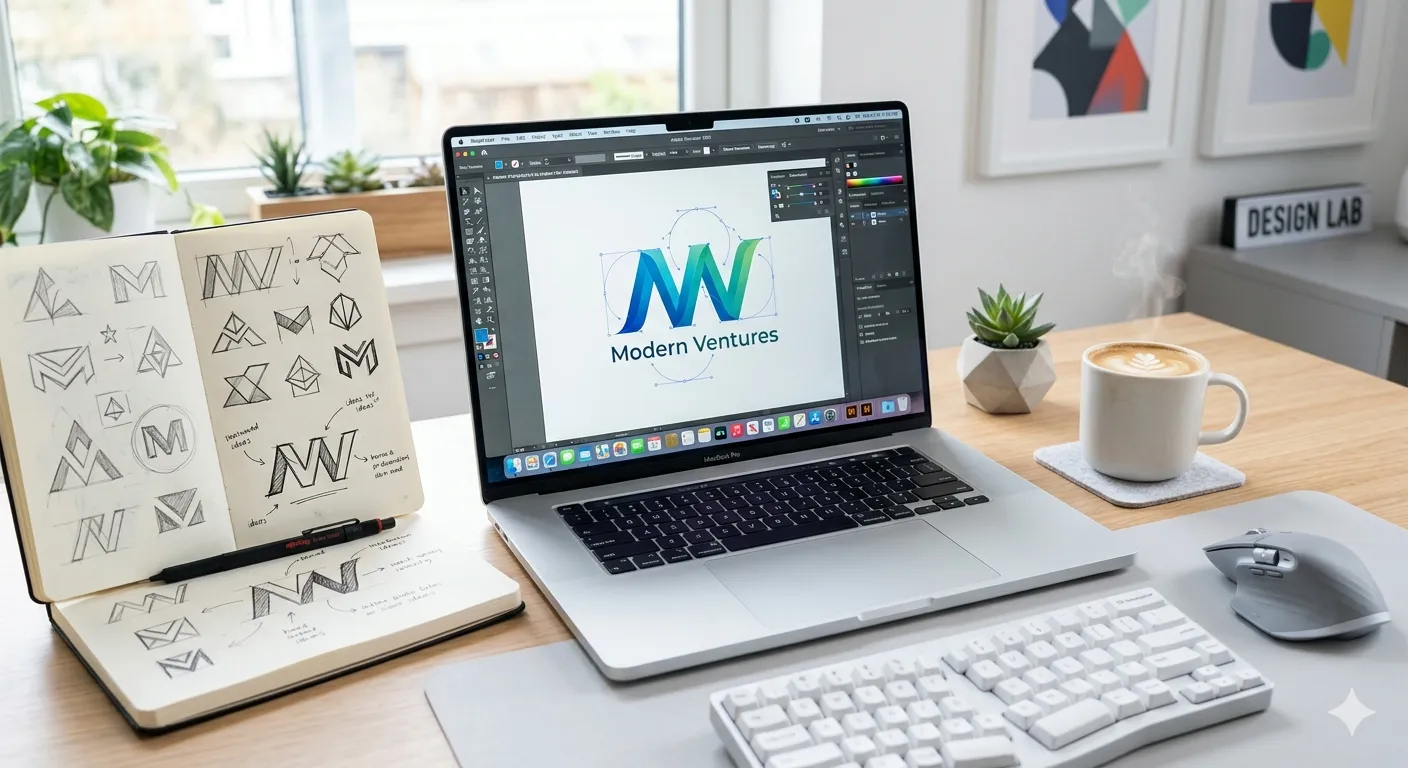
Firstly, start with thorough research and brainstorming. Analyze competitors and gather inspiration. Secondly, move to the sketching phase, where you freely explore concepts on paper without digital constraints. This analog step is vital for unfiltered creativity.
Next, transition to digital design using vector-based software like Adobe Illustrator or Affinity Designer. Vector graphics are essential because they allow for infinite scaling without quality loss. During this phase, refine your chosen sketch, paying close attention to geometry, balance, and negative space.
Afterwards, develop a cohesive color palette. Colors evoke emotion and convey meaning. For a design platform, blues often communicate trust and technology, while accents of vibrant colors can suggest creativity and energy. Additionally, you must select or design a complementary typography. The font should be clean, modern, and highly legible, whether paired with an icon or used in a wordmark.
Finally, rigorously test your logo. Apply it to mockups of app icons, website headers, business cards, and presentation slides. This testing phase is critical to uncover any issues with scalability or legibility.
Tools and Resources for Logo Creation
You don’t need to be a professional graphic designer to start crafting a logo. A variety of tools can assist you, from professional suites to online platforms.
| Tool Type | Examples | Best For |
|---|---|---|
| Professional Vector Software | Adobe Illustrator, Affinity Designer, CorelDRAW | Total creative control and industry-standard file output. |
| Online Logo Makers | Looka, Canva, Wix Logo Maker | Quick, template-based creation with less technical skill required. |
| Collaboration & Prototyping | InVision App, Figma, Sketch | Specifically for sharing, testing, and iterating on your design with feedback. |
| Inspiration Platforms | Dribbble, Behance, Pinterest | Researching current design trends and successful logo concepts. |
The InVision App itself is a phenomenal tool for this process. You can upload your logo concepts, create interactive prototypes of a brand guideline page, and gather feedback from stakeholders in real-time. This mirrors the collaborative spirit of the platform you’re designing for.
Common Pitfalls to Avoid When Designing
While enthusiasm is key, certain mistakes can undermine your logo’s effectiveness. Firstly, avoid overcomplication. A logo cluttered with too many details will become indistinct at small sizes. Secondly, ensure you are not inadvertently copying an existing design; thorough checks are mandatory.
Furthermore, neglecting versatility is a major error. A logo that only looks good on a dark background is not functional. Consequently, always create versions for light, dark, and single-color applications. Lastly, do not underestimate the importance of professional typography. A poorly chosen font can instantly make a logo look amateurish.
Frequently Asked Questions (FAQs) – Crafting an InVision Logo
1. What is an InVision logo?
An InVision logo refers to a logo designed for a brand, product, or concept inspired by the clean, modern style associated with InVision and digital design platforms.
2. Why is logo design important for a brand?
A logo helps create brand identity, recognition, trust, and a professional first impression.
3. What makes a good professional logo?
A strong logo should be simple, memorable, versatile, relevant, and timeless.
4. Which tools can I use to create a logo?
Popular tools include Adobe Illustrator, Affinity Designer, Figma, and Canva.
5. Why use vector software for logo design?
Vector software allows logos to be resized without losing quality, making them ideal for print and digital use.
6. How do I start designing a logo?
Begin with research, brainstorming, sketching ideas, and understanding your brand values.
7. What colors are best for a tech logo?
Blue often suggests trust and technology, while brighter accent colors can show creativity and innovation.
8. How important is typography in a logo?
Typography is very important because the font style affects professionalism, readability, and brand personality.
9. Should a logo work in black and white?
Yes, a logo should look good in color, black and white, and single-color versions.
10. What mistakes should I avoid in logo design?
Avoid cluttered designs, copying others, poor fonts, trend-only styles, and logos that do not scale well.
11. Can beginners create a professional logo?
Yes, beginners can create strong logos using templates, online tools, and basic design principles.
12. How do I test if my logo is good?
Test it on websites, business cards, social media, app icons, and different backgrounds.
13. What file formats should I save my logo in?
Useful formats include SVG, PNG, PDF, and editable vector files like AI or EPS.
14. Should I trademark my logo?
If the logo is for a business or commercial brand, trademark protection can be valuable.
15. Why is simplicity important in logo design?
Simple logos are easier to remember, recognize, and use across many sizes and platforms.
Finalizing and Protecting Your Logo
Once your design is polished, ensure you have the final files in multiple formats: AI/EPS for editing, PDF for print, SVG for web, and PNG with transparent backgrounds. Moreover, if this logo is for a commercial venture, consider consulting a legal professional about trademark registration to protect your intellectual property.
Crafting a distinctive logo is a rewarding creative challenge that sets the tone for your entire brand presence. By following a structured process and focusing on core principles, you can develop a visual mark that is both beautiful and strategically sound. For more creative inspiration, explore our guide on spring crafting ideas to see how hands-on creativity can influence digital design thinking.

