
Blood Sugar Levels Guide | Symptoms, Tests & Tracking
Blood Sugar Levels Guide
Blood sugar levels are one of the most important indicators of overall health. Whether you are managing diabetes, monitoring pregnancy, or checking newborn health, maintaining proper glucose levels is essential.
In the United States, millions of people track their blood sugar daily using modern tools and lifestyle strategies. This comprehensive guide covers everything you need to know — from symptoms and tests to tracking and management.
Blood Sugar Log – Why Tracking Matters
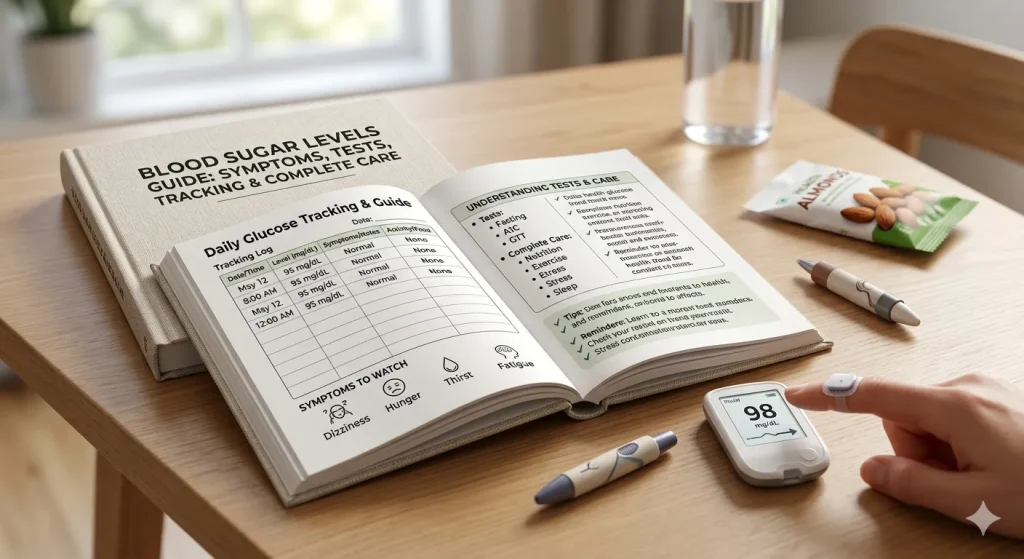
A blood sugar log is a record of your daily glucose readings. It helps individuals and healthcare providers understand patterns and make better health decisions.
Keeping a bloodsugar log allows you to:
- Track fluctuations throughout the day
- Identify triggers like food or stress
- Adjust medication or diet
There are multiple ways to maintain a log:
- Mobile apps
- Paper charts
- Smart glucose monitors
For people with diabetes or prediabetes, maintaining a blood sugar log is critical. It provides insight into how your body reacts to meals, exercise, and lifestyle habits.
Consistency is key. Logging your blood sugar regularly can prevent complications and improve long-term health outcomes.
Claim your Discounted Sugar Defender
Does High Blood Sugar Make You Sleepy?
One of the most common questions is:
👉 Does high bloodsugar make you sleepy?
Yes, it does.
When blood sugar levels are high, the body struggles to use glucose effectively. This leads to:
- Reduced energy production
- Increased dehydration
- Slower brain function
As a result, people often feel:
- Extremely tired
- Mentally foggy
- Less focused
This condition is known as hyperglycemia. Over time, untreated high blood-sugar can lead to more serious issues like nerve damage or heart disease.
If you frequently feel sleepy after meals, it may be a sign your bloodsugar levels are elevated.
You Can Try Sugar Defender For this because this is The #1 Rated Blood Sugar Formula
Elevated Blood Sugar ICD 10 Explained

The term elevated blood sugar ICD 10 is commonly used in medical settings across the USA.
ICD-10 codes are standardized codes used for:
- Diagnosing medical conditions
- Insurance billing
- Medical record keeping
For high blood-sugar, doctors may use codes such as:
- R73.9 (Hyperglycemia, unspecified)
Understanding ICD-10 codes is important for patients dealing with insurance claims or medical documentation.
These codes help healthcare providers accurately track and treat conditions related to blood sugar.
Low Blood Sugar Pregnancy – Risks & Management
Low blood-sugar during pregnancy (hypoglycemia) can affect both mother and baby.
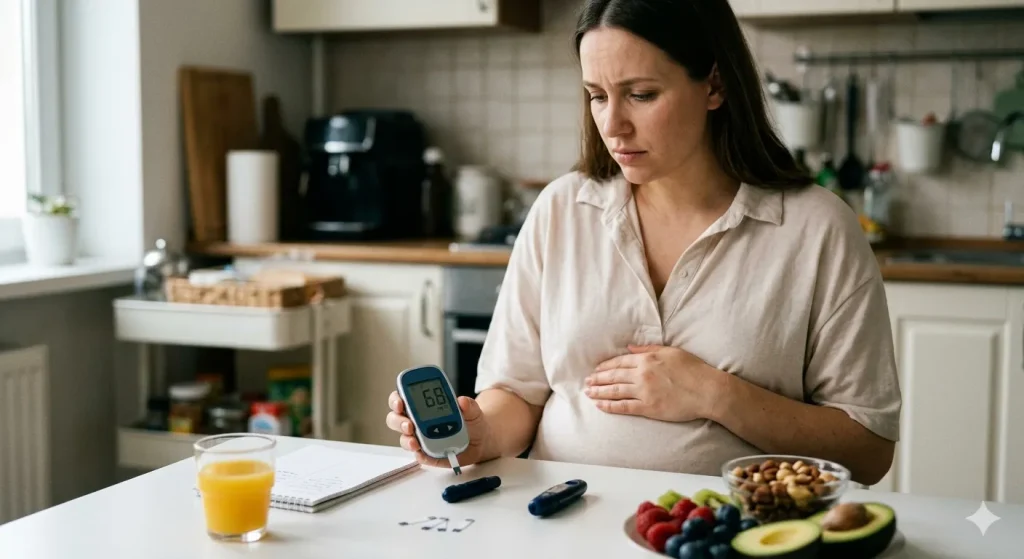
Common symptoms include:
- Dizziness
- Sweating
- Weakness
- Confusion
Causes may include:
- Skipping meals
- Hormonal changes
- Diabetes treatment
Managing low blood-sugar during pregnancy involves:
- Eating small, frequent meals
- Monitoring glucose regularly
- Following medical advice
Proper care ensures a healthy pregnancy and reduces risks for complications.
Neonatal Normal Blood Sugar Levels
Newborn babies require special attention when it comes to glucose levels.
Neonatal normal blood-sugar levels typically are:
- 40–50 mg/dL shortly after birth
- 50–70 mg/dL after the first day
Low levels in newborns can cause:
- Poor feeding
- Irritability
- Seizures in severe cases
Doctors monitor newborns closely, especially if:
- The baby is premature
- The mother has diabetes
Early detection and treatment are essential for preventing complications.
Want to track your blood sugar easily?
Normal Blood Sugar Level in Newborn
The normal blood sugar-level in newborns stabilizes within a few days after birth.
Healthy newborns:
- Adapt quickly to feeding
- Maintain stable glucose levels
To support normal levels:
- Frequent breastfeeding is recommended
- Regular monitoring may be needed
Parents should follow pediatric guidelines to ensure proper development.
3 Hour Blood Sugar Test – Complete Guide
The 3 hour blood-sugar test is commonly used to diagnose gestational diabetes.
🧪 How it works:
- Fasting blood sugar is measured
- A glucose drink is given
- Blood is tested at 1, 2, and 3 hours
📊 Why it matters:
- Detects how your body processes sugar
- Identifies pregnancy-related diabetes
⚠️ Results:
If levels are higher than normal, it indicates a risk of gestational diabetes.
This test is widely recommended for pregnant women in the United States.
Can High Blood Sugar Cause Dizziness?
Yes, high blood sugar can cause dizziness.
This happens due to:
- Dehydration
- Poor blood circulation
- Nerve sensitivity
Symptoms may include:
- Lightheadedness
- Blurred vision
- Weakness
If dizziness occurs frequently, it may indicate poorly controlled blood sugar levels.
Try a smart glucose monitor and take control of your health today!
High vs Low Blood-Sugar Symptoms
Understanding symptoms is essential.
🔴 High Blood Sugar Symptoms:
- Fatigue
- Frequent urination
- Increased thirst
- Blurred vision
🔵 Low Blood Sugar Symptoms:
- Sweating
- Shaking
- Hunger
- Confusion
Recognizing these early signs helps prevent serious complications.
How to Maintain Healthy Blood-Sugar Levels
Maintaining balanced glucose levels requires lifestyle changes.
✅ Tips:
- Eat a balanced diet
- Exercise regularly
- Monitor sugar levels
- Stay hydrated
Avoid:
- Sugary foods
- Processed carbs
- Irregular eating habits
Consistency is the key to long-term success.
Buy Sugar Defender Now
Best Tools to Track Blood-Sugar in USA
Modern technology makes tracking easier.
Popular tools include:
- Continuous Glucose Monitors (CGM)
- Finger-prick glucose meters
- Mobile tracking apps
These tools help:
- Track trends
- Improve accuracy
- Make better decisions
Diet Tips for Blood Sugar Control
A proper diet plays a major role.
Include:
- Fiber-rich foods
- Lean protein
- Healthy fats
Avoid:
- Sugary drinks
- White bread
- Processed snacks
A balanced diet stabilizes blood sugar and improves overall health.
When to See a Doctor
Seek medical help if you experience:
- Frequent dizziness
- Severe fatigue
- Unstable blood sugar readings
Early intervention prevents long-term complications.
Final Conclusion
Blood sugar management is essential for a healthy life. From tracking with a bloodsugar log to understanding tests like the 3 hour blood sugar test, awareness is key.
Whether you’re dealing with:
- High blood sugar
- Low blood sugar in pregnancy
- Newborn glucose levels
Proper monitoring and lifestyle choices can make a huge difference.
FAQs
What is normal blood sugar level?
70–99 mg/dL (fasting)
Does high bloodsugar make you sleepy?
Yes, it can cause fatigue and low energy.
Can high bloodsugar cause dizziness?
Yes, especially when levels are uncontrolled.
I think this article also help you for Prostate Health “Must Read”- ProstaVive Review 2026: Does This Prostate Formula Work?
Disclaimer:
The information provided on this website is for educational purposes only and is not intended as medical advice. Always consult a qualified healthcare professional before making any health-related decisions or changes to your diet or treatment.
