
Healthiest Grocery Store Foods
Your Guide to the Healthiest Foods at the Grocery Store
Navigating the grocery store aisles can feel overwhelming, especially when you’re committed to making healthier choices. Consequently, having a strategic shopping list is key. This guide will walk you through the most nutrient-dense, health-promoting foods you should prioritize on your next trip. Moreover, we’ll organize them by category to make your shopping experience both efficient and effective.
Why Focus on Nutrient-Dense Foods?
Firstly, nutrient-dense foods provide a high volume of vitamins, minerals, fiber, and antioxidants relative to their calorie content. Therefore, they support every bodily function, from energy production to immune defense. By filling your cart with these items, you naturally crowd out less beneficial options, creating a foundation for long-term health.
The Produce Section: A Rainbow of Nutrients
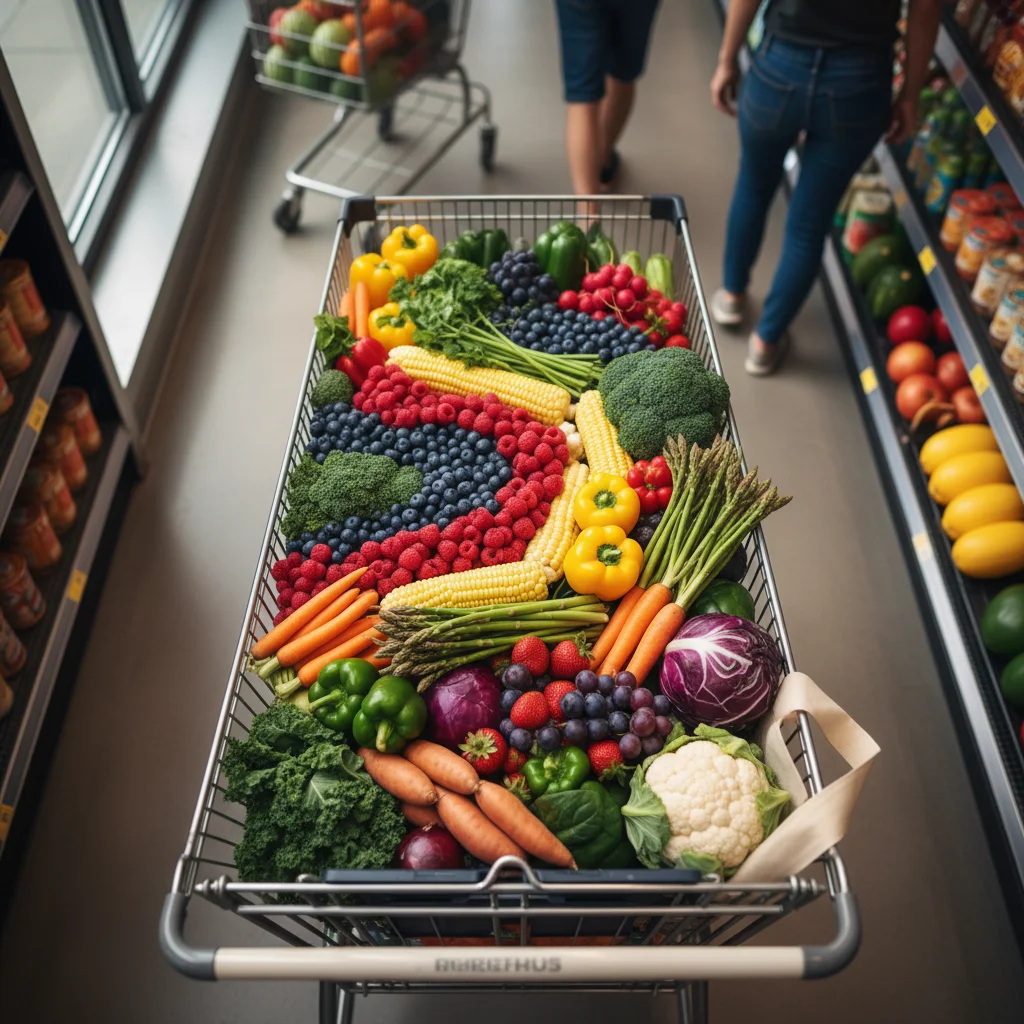
The produce aisle is your primary destination for the healthiest foods at the grocery store. Aim for a colorful variety to ensure a broad spectrum of phytonutrients.
Leafy Green Vegetables
These are powerhouse foods packed with vitamins A, C, K, and folate. For instance:
* Spinach & Kale: Excellent sources of iron and calcium.
* Swiss Chard & Arugula: Rich in antioxidants and add a flavorful punch to meals.
Colorful Fruits and Vegetables
The different pigments indicate unique health benefits. For example:
* Berries (Blueberries, Strawberries): Loaded with antioxidants that combat oxidative stress.
* Cruciferous Vegetables (Broccoli, Cauliflower): Contain compounds like sulforaphane, studied for their potential protective properties.
* Sweet Potatoes & Bell Peppers: High in beta-carotene and vitamin C, crucial for vision and skin health.
The Protein Aisle: Building Blocks for Your Body
Quality protein is essential for muscle repair, hormone production, and satiety. Here are the healthiest picks.
Lean Animal Proteins
- Skinless Poultry (Chicken, Turkey): A versatile and lean source of protein.
- Fish (Salmon, Mackerel, Sardines): Fatty fish are particularly valuable because they are rich in omega-3 fatty acids, which are crucial for brain health and heart function.
- Eggs: A complete protein containing all essential amino acids, along with choline for brain health.
Plant-Based Proteins
- Legumes (Lentils, Chickpeas, Black Beans): High in protein and fiber, which supports digestive and prostate health.
- Tofu & Tempeh: Made from soybeans, these are complete proteins and excellent meat alternatives.
The Whole Grains & Pantry Staples Section
Moving to the center aisles, focus on whole, unprocessed options for sustained energy.
| Food Item | Key Nutrients | Health Benefit |
|---|---|---|
| Oats / Rolled Oats | Beta-glucan fiber, Magnesium | Supports heart health & stable blood sugar |
| Quinoa | Complete protein, Fiber, Iron | A nutritious grain alternative that provides all essential amino acids |
| Brown Rice & Farro | Fiber, B Vitamins, Magnesium | Promotes digestive health and energy metabolism |
| Canned Tomatoes (No Salt Added) | Lycopene, Vitamin C | Antioxidant properties; lycopene bioavailability increases when cooked |
| Nuts & Seeds (Almonds, Chia, Flax) | Healthy Fats, Fiber, Vitamin E | Supports heart health; chia and flax are great for gut health. |
Healthy Fats & Dairy (or Alternatives)
Don’t fear fats—choose the right ones. Healthy fats are vital for nutrient absorption and cell function.
- Avocados: Packed with monounsaturated fats and potassium.
- Olive Oil: A cornerstone of the Mediterranean diet, rich in anti-inflammatory compounds.
- Plain Greek Yogurt: High in protein and probiotics. Alternatively, choose unsweetened almond or coconut milk yogurts.
- Cheese (in moderation): Opt for natural cheeses like feta, mozzarella, or cottage cheese for calcium and protein.
Smart Shopping Strategies for Success
Finally, knowing what to buy is only half the battle. Implement these strategies to ensure you stick to your healthy goals.
- Shop the Perimeter First: The store’s outer aisles typically house fresh produce, proteins, and dairy. Fill most of your cart here before venturing into the center aisles.
- Read Ingredient Labels: For packaged items, the ingredient list is short and recognizable. If sugar or sodium is listed among the first three ingredients, reconsider.
- Favor Frozen: Don’t overlook the frozen section. Frozen fruits and vegetables are often flash-frozen at peak ripeness, retaining their nutrients and preventing waste.
- Plan and List: Always shop with a list based on weekly meal plans. This reduces impulse buys and ensures you have all the ingredients for healthy meals.
In conclusion, transforming your diet starts with transforming your grocery cart. By prioritizing these whole, nutrient-dense foods—vibrant produce, quality proteins, whole grains, and healthy fats—you invest directly in your well-being. Remember, consistency is more impactful than perfection. Therefore, start by incorporating a few new items each week and build from there. Your body will thank you for the nourishment.
For more detailed information on specific nutrients, you can refer to trusted resources like the Harvard T.H. Chan School of Public Health Nutrition Source.

