
Pasteurised Goats Cheese Benefits & Uses
Pasteurised Goats Cheese: A Nutritious and Safe Dairy Delight
Goats cheese, with its distinctive tangy flavor and creamy texture, has been a cherished food for centuries. However, the modern consumer is rightly concerned about food safety. Consequently, pasteurised goats cheese has become the standard in many markets, offering a perfect balance of traditional taste and contemporary security. This process not only ensures safety but also makes its unique nutritional profile accessible to more people. If you’re curious about incorporating this versatile cheese into your diet, understanding its pasteurised form is the essential first step.
What is Pasteurised Goats Cheese?
Pasteurised goats cheese is simply cheese made from goat’s milk that has been heated to a specific temperature for a set time to eliminate harmful pathogens. This process, named after Louis Pasteur, is a cornerstone of modern food safety. Importantly, pasteurisation targets bacteria like Listeria, E. coli, and Salmonella without fundamentally altering the milk’s protein structure needed for cheesemaking. Therefore, you get a product that maintains the characteristic flavor of goats cheese while significantly reducing the risk of foodborne illness.
The basic production follows these key steps:
1. Milk Collection & Pasteurisation: Fresh goat’s milk is heated to at least 72°C (161°F) for 15 seconds.
2. Coagulation: Starter cultures and rennet are added to the cooled milk to form curds.
3. Draining & Shaping: The curds are cut, drained of whey, and placed into molds.
4. Salting & Aging: The cheese is salted and may be aged for a few days to several months, developing its final flavor and texture.
Pasteurised vs. Raw Milk Goats Cheese: Key Differences
The choice between pasteurised and raw milk cheese often sparks debate among food enthusiasts. Here is a clear comparison of their primary characteristics:
| Feature | Pasteurised Goats Cheese | Raw Milk Goats Cheese |
|---|---|---|
| Safety Profile | High. Pathogen risk is minimized, making it safer for vulnerable groups. | Variable. Carries a inherent risk of harmful bacteria if not produced under impeccable conditions. |
| Flavor | Consistent, clean, and tangy. The flavor is influenced by the goat’s diet and aging process. | Often described as more complex, earthy, or “funky” due to native bacteria in the milk. |
| Digestibility | Generally well-tolerated. The protein structure is altered slightly, which some find easier to digest. | Contains natural enzymes; some individuals with lactose sensitivity report better tolerance. |
| Availability | Widely available in most supermarkets and grocery stores. | More common at farmers’ markets, specialty shops, or directly from producers, and subject to local regulations. |
| Regulatory Status | Required for sale in many countries and regions. | Sale is restricted or banned in some areas due to safety concerns. |
Top Health Benefits of Pasteurised Goats Cheese
Incorporating pasteurised goats cheese into your diet can contribute to overall wellness in several key ways. Firstly, it is a fantastic source of essential nutrients.
- Easier to Digest: The fat molecules in goat’s milk are smaller and the protein forms a softer curd compared to cow’s milk. This often makes pasteurised goats cheese a more comfortable option for those with mild dairy sensitivities, though it is not lactose-free.
- Rich in Essential Nutrients: It provides a substantial amount of calcium for bone health, phosphorus, vitamin A, and riboflavin (B2).
- Potential Prebiotic Effects: Some studies suggest that certain components in goat milk products may act as prebiotics, supporting a healthy gut microbiome. For more on nurturing gut health, explore our guide on the best powder supplements for gut health.
- High-Quality Protein: It contains all nine essential amino acids, making it a complete protein source that supports muscle repair and satiety.
Is Pasteurised Goats Cheese Safe for Everyone?
The pasteurisation process makes this cheese a safer choice for nearly all populations. Specifically, it is the recommended option for pregnant women, young children, the elderly, and anyone with a compromised immune system, as these groups are more susceptible to severe infections from foodborne pathogens. Moreover, because the harmful bacteria are eliminated, pasteurised goats cheese can be enjoyed without the specific concerns associated with raw dairy products. Always check the label to confirm the cheese is made from pasteurised milk, as terminology can sometimes be unclear.
How to Use and Enjoy Pasteurised Goats Cheese
Its creamy texture and tangy flavor make it incredibly versatile in the kitchen. Here are some popular ways to enjoy it:
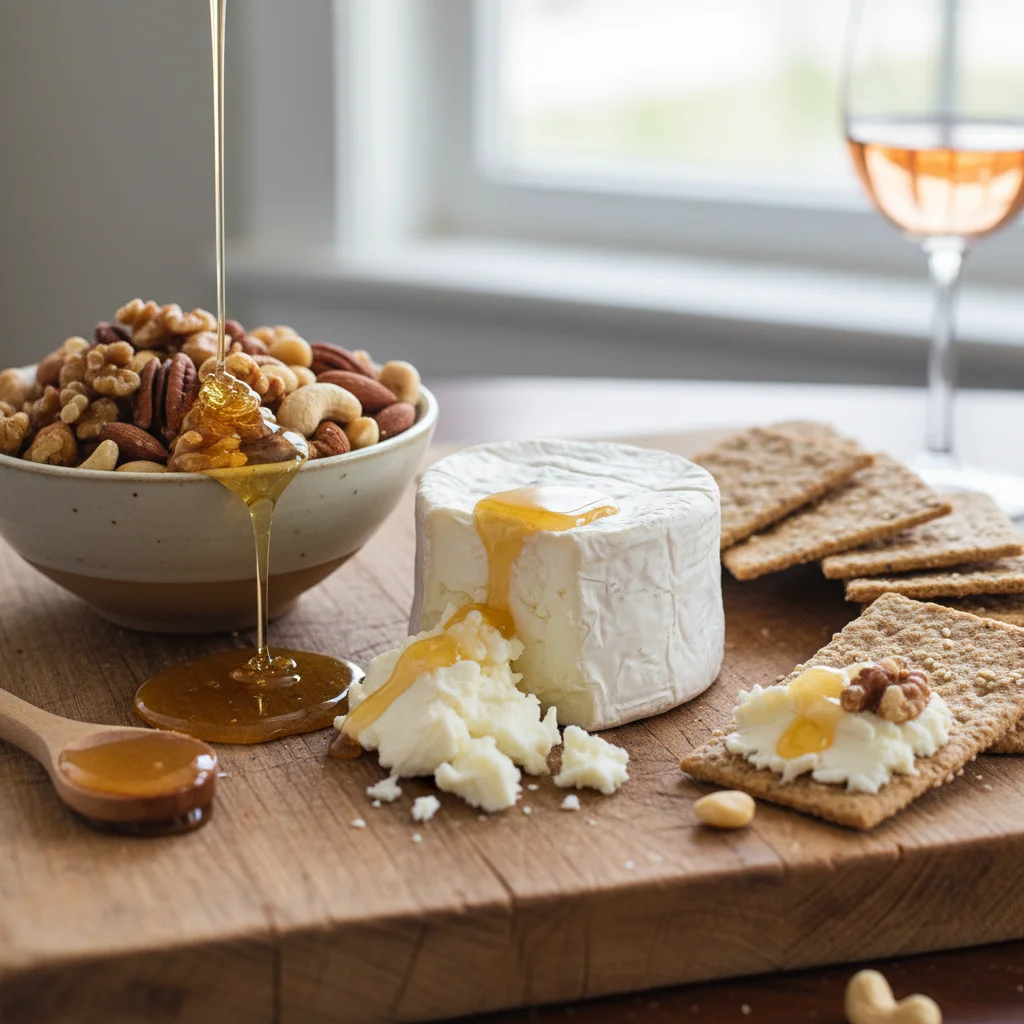
- On Cheese Boards: A soft, spreadable chèvre is a classic centerpiece. Pair it with fruits like figs or pears, nuts, and a drizzle of honey.
- In Salads: Crumble aged pasteurised goats cheese over salads for a burst of flavor and protein. It pairs wonderfully with beetroot, walnuts, and leafy greens.
- As a Spread: Mix soft goats cheese with herbs, lemon zest, or roasted garlic for a delicious sandwich spread or cracker topping.
- In Hot Dishes: Add it to omelets, tarts, or pasta dishes. It melts beautifully into creamy sauces or can be baked on top of dishes like a vegetable gratin.
- In Health-Conscious Recipes: Its rich flavor means a little goes a long way, making it a great addition to balanced meals. For instance, a small crumble can elevate a simple vegan keto diet plan dish that includes non-dairy elements for added richness.
When storing pasteurised goats cheese, keep it tightly wrapped in the refrigerator. Soft, fresh varieties are best consumed within a week of opening, while firmer, aged cheeses can last longer.
Frequently Asked Questions
Does pasteurisation destroy the nutrients in goats cheese?
No, pasteurisation has a minimal impact on the overall nutritional value. The primary nutrients—protein, fat, calcium, and most vitamins—remain largely intact. The process is designed to destroy pathogens while preserving food quality.
Can I eat pasteurised goats cheese if I’m lactose intolerant?
It may be better tolerated than cow’s milk cheese for some individuals because goat’s milk contains slightly less lactose. However, it is not lactose-free. Therefore, those with severe lactose intolerance should proceed with caution or consult a healthcare provider.
Where can I learn more about food safety processes?
For authoritative information on pasteurisation and food safety, you can refer to resources from the U.S. Food and Drug Administration (FDA).
Is all supermarket goats cheese pasteurised?
In many countries, yes. It is, however, crucial to read the label. Look for the word “pasteurised” on the ingredient list or packaging. If it says “made from raw milk,” it is not pasteurised.
In conclusion, pasteurised goats cheese is a delicious, nutritious, and safe way to enjoy the unique qualities of goat dairy. By choosing the pasteurised version, you gain peace of mind without sacrificing the culinary and health benefits this ancient food has to offer.