
Best Teas for Digestion & Gut Health
The Soothing Power of Tea for Digestion
Feeling bloated, gassy, or just generally uncomfortable after a meal? You’re not alone. Digestive discomfort is a common issue, but reaching for a pill isn’t your only option. A simple, time-honored solution sits right in your kitchen cupboard: a cup of tea. For centuries, various cultures have turned to herbal and traditional teas to calm the stomach and promote healthy digestion. Consequently, understanding which teas can help and why they work is a powerful step toward natural wellness.
This guide will explore the best teas for digestion, explaining their unique benefits and how to use them effectively.
How Can Tea Aid Digestion? 🍵
Firstly, it’s important to understand the mechanisms at play. Tea can support digestion in several key ways. Many herbal teas contain compounds that have carminative properties, meaning they help expel gas from the intestines and relieve bloating. Additionally, some teas act as antispasmodics, which can calm muscle spasms in the gastrointestinal tract, thereby reducing cramping.
Moreover, the simple act of drinking a warm liquid can stimulate digestive juices and promote the gentle movement of food through your system. This is particularly beneficial because dehydration is a common culprit behind sluggish digestion. Therefore, a warm cup of tea serves a dual purpose: it provides hydration and delivers active, gut-soothing plant compounds.
Top Teas to Soothe Your Stomach
Not all teas are created equal when it comes to digestive aid. The following table highlights the most effective options, their key active components, and their primary digestive benefits.
| Tea | Key Active Compounds | Primary Digestive Benefits | Best For |
|---|---|---|---|
| Peppermint Tea | Menthol | Relieves gas, bloating, and IBS symptoms; acts as an antispasmodic. | After a heavy meal, bloating, cramping. |
| Ginger Tea | Gingerols, Shogaols | Reduces nausea, accelerates gastric emptying, fights inflammation. | Morning sickness, motion sickness, post-meal fullness. |
| Chamomile Tea | Apigenin, Bisabolol | Calms nervous stomach, reduces inflammation, mild sedative effect. | Stress-related indigestion, before bed. |
| Fennel Tea | Anethole | Relaxes GI tract muscles, expels gas, may reduce acid reflux. | Infant colic (consult pediatrician), general bloating. |
| Green Tea | Catechins, Polyphenols | Mild stimulant, may boost metabolism and support gut bacteria. | Gentle daily digestive support. |
| Dandelion Root Tea | Sesquiterpene lactones | Acts as a mild diuretic and liver tonic, supporting bile production. | Feeling “sluggish” after fatty foods. |
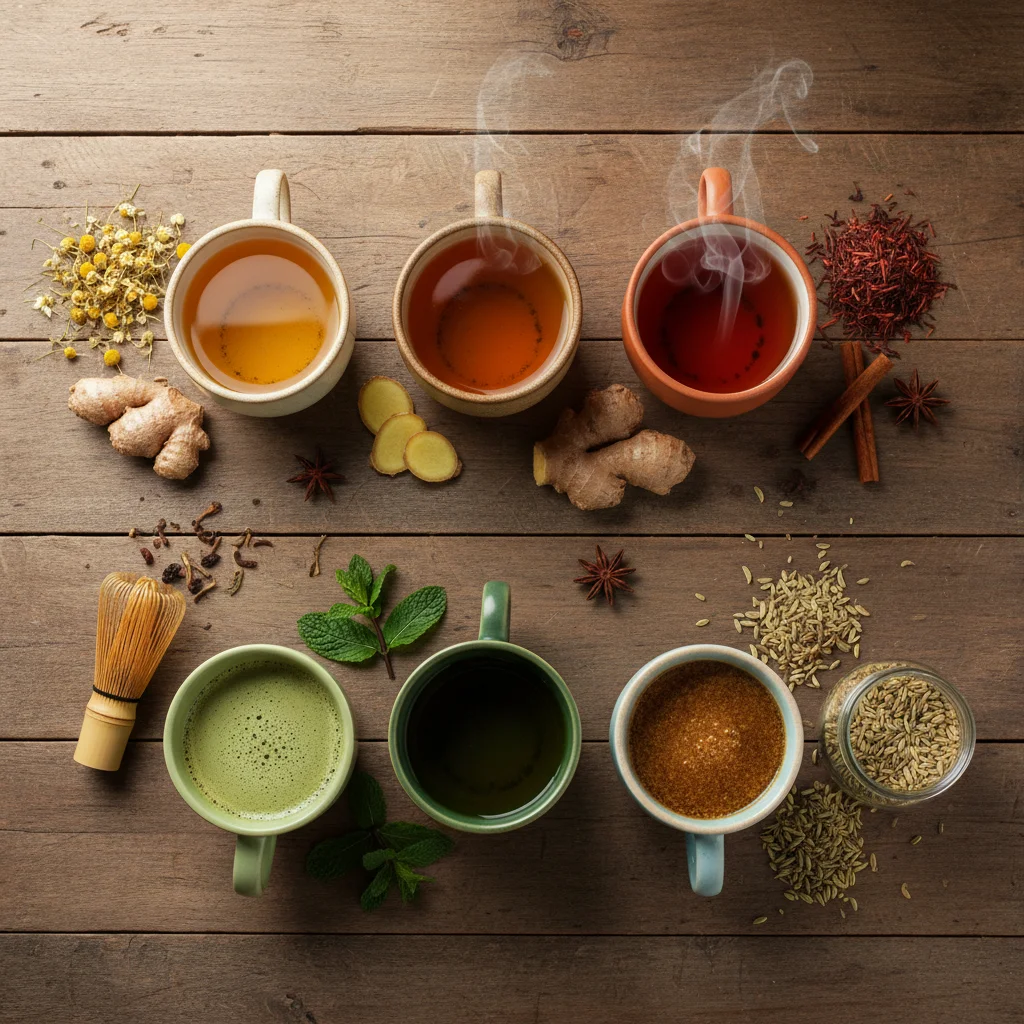
A Closer Look at Digestive Powerhouses
Peppermint Tea: The Cooling Carminative
Peppermint is arguably the most famous tea for digestive relief. The menthol in its leaves relaxes the muscles of the gastrointestinal tract. This action allows gas to pass more easily and can significantly reduce the pain and frequency of Irritable Bowel Syndrome (IBS) symptoms. However, it’s worth noting that peppermint can relax the lower esophageal sphincter, so it may not be ideal for those with severe acid reflux.
Ginger Tea: The Ancient Remedy
Ginger has been used for millennia to treat nausea and upset stomach. Its potent compounds, gingerols, accelerate gastric emptying—the process by which food leaves the stomach. This makes it excellent for relieving that overly full, sluggish feeling. Furthermore, research published by the National Institutes of Health (NIH) supports its efficacy in reducing pregnancy-related nausea and chemotherapy-induced vomiting.
Chamomile Tea: The Gentle Relaxant
Often associated with sleep, chamomile’s benefits extend to the gut. It contains anti-inflammatory properties that can soothe the lining of the intestines. Because stress is a major trigger for digestive issues, chamomile’s mild sedative effect helps calm a “nervous stomach,” making it a perfect evening ritual.
Brewing the Perfect Cup for Gut Health
To maximize the benefits, proper brewing is essential. Here is a simple guide:
1. Use Fresh, Filtered Water: Start with cold water for the best flavor.
2. Mind the Temperature: Pour boiling water over herbal teas like peppermint, ginger, and chamomile. For green tea, use water slightly below boiling (around 175°F or 80°C) to prevent bitterness.
3. Steep Adequately: Cover your cup and let herbal teas steep for 5-10 minutes. Green tea needs only 2-3 minutes.
4. Consider Additions: A teaspoon of raw honey can add soothing properties, while a slice of fresh lemon may aid digestion. Avoid excessive sugar, as it can feed unhelpful gut bacteria.
When to Drink Tea for Optimal Digestive Aid
Timing can enhance the effects of your digestive tea.
* Before a Meal: Drinking ginger tea 30 minutes before eating can prime your digestive system and prevent nausea.
* After a Meal: Peppermint or fennel tea is ideal 30-60 minutes after eating to combat gas and bloating.
* Before Bed: A cup of caffeine-free chamomile tea can promote relaxation and overnight digestive repair.
Precautions and Considerations
While generally safe, it’s important to listen to your body. Some teas can interact with medications (e.g., ginger with blood thinners). Pregnant or nursing women should consult a doctor before using herbal teas medicinally. Moreover, if you have chronic digestive conditions like GERD, IBS, or ulcers, discuss new remedies with your healthcare provider. For a broader approach to gut wellness, you might also explore the best powder supplements for gut health.
Beyond Digestion: A Holistic Approach
A cup of tea is a wonderful tool, but it works best as part of a healthy lifestyle. Staying hydrated, eating fiber-rich foods, and managing stress are all critical for long-term digestive harmony. Remember, persistent digestive issues should always be evaluated by a medical professional.
In conclusion, turning to tea for digestion is a gentle, effective, and pleasurable ritual. Whether you choose the invigorating zing of ginger or the calming embrace of chamomile, these natural infusions offer a time-tested path to a happier, more comfortable gut. So the next time your stomach feels unsettled, consider putting the kettle on first. For other natural relief, such as for throat discomfort, you can learn about the best tea for sore throat.


2 thoughts on “Best Teas for Digestion & Gut Health”
Comments are closed.