
Keto & Peanuts: Carbs & Benefits
Keto and Peanuts: Your Complete Guide to Carbs and Benefits
Navigating snack options on a ketogenic diet can be challenging, especially when craving something crunchy and satisfying. Consequently, many people wonder about the compatibility of popular legumes like peanuts with a low-carb lifestyle. This comprehensive guide will analyze the nutritional profile of peanuts, their impact on ketosis, and how to incorporate them wisely into your meal plan.
Are Peanuts Keto-Friendly? The Carb Breakdown
Firstly, understanding the macronutrient content is crucial for any food on keto. Peanuts, while often grouped with nuts, are technically legumes. However, their nutritional composition is remarkably favorable for a ketogenic approach.
A standard one-ounce (28-gram) serving of dry-roasted, unsalted peanuts contains approximately:
| Nutrient | Amount |
|---|---|
| Total Carbohydrates | 6 grams |
| Dietary Fiber | 2 grams |
| Net Carbs | 4 grams |
| Total Fat | 14 grams |
| Protein | 7 grams |
| Calories | 166 |
Net carbs (total carbs minus fiber) are the key metric for keto. With only 4 grams of net carbs per ounce, peanuts can absolutely fit into a standard daily keto limit of 20-50 grams of net carbs. Therefore, when consumed in moderation, they are considered a keto-friendly food.
Health Benefits of Peanuts on a Keto Diet
Incorporating peanuts offers several advantages that align well with ketogenic principles. Primarily, they are an excellent source of healthy fats and plant-based protein, which promotes satiety and helps manage hunger—a common challenge when reducing carbs.
Moreover, peanuts provide essential nutrients. They are rich in biotin, copper, niacin, folate, manganese, and vitamin E. Notably, they contain antioxidants like resveratrol and are a good source of antioxidants for prostate health, linking to broader wellness goals. Their high magnesium content can also support metabolic health and energy production, which is vital when adapting to fat-burning.
Potential Pitfalls and How to Avoid Them
While peanuts are keto-compliant, there are important caveats. The primary risk is overconsumption due to their palatability. It’s remarkably easy to eat multiple servings, which can quickly add up to 10+ grams of net carbs and hinder ketosis. Additionally, many commercial products are coated in sugary or starchy seasonings.
To avoid these pitfalls:
* Always check labels for added sugars, starches, and unhealthy oils.
* Stick to single servings. Pre-portioning one-ounce servings can prevent mindless eating.
* Choose the right type. Opt for raw, dry-roasted, or boiled peanuts. Avoid honey-roasted, candied, or most “flavored” varieties.
Furthermore, some individuals may experience digestive issues or find that peanuts can cause inflammation. Listening to your body’s response is key, as some people choose to eliminate them to break through a weight loss secret plateau.
Best Ways to Enjoy Peanuts on Keto
You can enjoy peanuts beyond the snack bowl. Here are some creative, low-carb ideas:
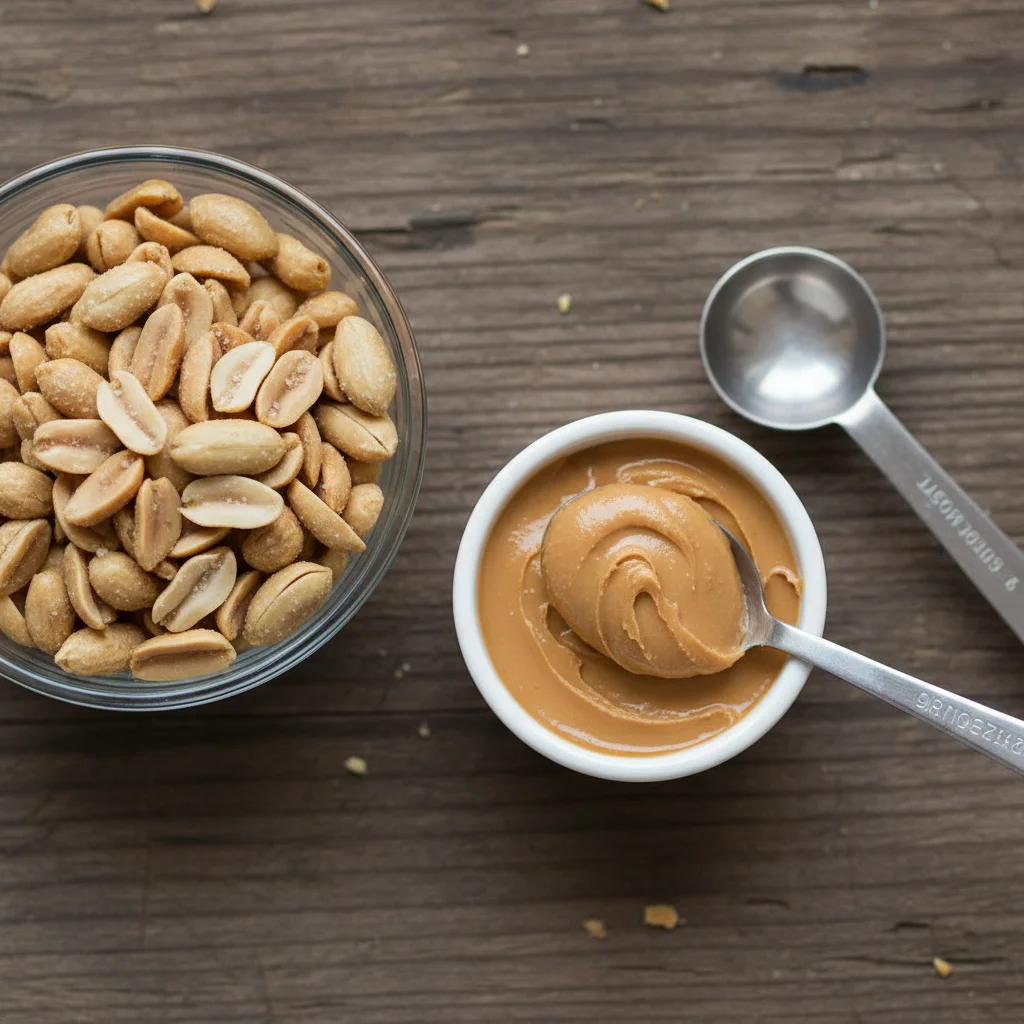
* Homemade Peanut Butter: Blend plain, roasted peanuts with a pinch of salt (and optionally, a keto-friendly sweetener) for a pure spread.
* Crunchy Topping: Chop peanuts and sprinkle them over salads or keto-friendly “noatmeal.”
* Savory Sauce: Use sugar-free peanut powder or finely chopped peanuts as a base for a satay-style sauce to accompany chicken or zucchini noodles.
* Baking Ingredient: Use peanut flour or crushed peanuts in fat bomb recipes or keto breading.
Keto Peanuts vs. Other Popular Nuts
How do peanuts compare? Here’s a quick look at net carbs per 1-ounce serving:
| Nut Type | Net Carbs |
|---|---|
| Pecans | 1.2 grams |
| Brazil Nuts | 1.4 grams |
| Macadamia Nuts | 1.5 grams |
| Walnuts | 2 grams |
| Peanuts | 4 grams |
| Cashews | 7 grams |
| Pistachios | 5 grams |
As shown, peanuts sit in the middle range. They are higher in carbs than the best keto nuts like pecans and macadamias but significantly lower than cashews. Consequently, they require more mindful portion control than the lowest-carb options.
The Final Verdict on Keto and Peanuts
In conclusion, peanuts are a keto-friendly food when consumed in controlled portions. Their balance of healthy fats, protein, and relatively low net carbs makes them a viable snack option. However, success depends entirely on portion awareness and choosing products without added sugars.
For individuals managing specific health conditions, it’s always wise to consult with a healthcare professional. For instance, those monitoring blood sugar levels guide their diet may find peanuts have a minimal impact, but personal testing is advised. Ultimately, by practicing moderation, you can enjoy the taste and nutritional benefits of peanuts while maintaining a state of ketosis.

