
Lion’s Mane Tea Benefits & Brew
The Complete Guide to Lion’s Mane Mushroom Tea
Lion’s mane mushroom tea is rapidly gaining popularity as a powerful functional beverage. This unique drink, made from the shaggy, white fungus known scientifically as Hericium erinaceus, is celebrated for its potential to support brain health and overall wellness. If you’re curious about this nootropic tea, you’ve come to the right place. This guide will explore its impressive benefits, provide simple brewing instructions, and discuss important considerations.
What is Lion’s Mane Mushroom?
Firstly, lion’s mane is a medicinal mushroom that has been used for centuries in traditional Asian medicine. It gets its name from its distinctive, cascading spines that resemble a lion’s mane. Modern science has begun to validate its traditional uses, particularly focusing on two key groups of compounds: hericenones and erinacines. These compounds are believed to stimulate the production of nerve growth factor (NGF), a protein crucial for the health and maintenance of neurons. Consequently, this mechanism is at the heart of its most famous benefits.
Top Health Benefits of Lion’s Mane Tea
Drinking lion’s mane as a tea is an excellent way to absorb its bioactive compounds. Here are the most well-researched potential benefits.
1. May Support Cognitive Function & Memory
The potential neuroprotective effects are the primary reason for its fame. Research suggests lion’s mane may help support memory, focus, and overall cognitive clarity. Some studies indicate it could be beneficial for mild cognitive impairment. Therefore, incorporating it into your daily routine might help sharpen mental acuity.
2. Could Help Ease Mild Anxiety and Low Mood
Interestingly, emerging research points to lion’s mane having a positive effect on mood. Animal studies have shown it may help reduce symptoms of anxiety and depression, potentially by promoting brain cell regeneration and reducing inflammation in the brain. Moreover, the simple ritual of preparing a warm cup of tea can itself be a calming practice.
3. Supports Digestive and Gut Health
Lion’s mane has been traditionally used to soothe the digestive tract. Modern studies suggest it may help protect against stomach ulcers by inhibiting the growth of H. pylori bacteria. Additionally, as a prebiotic, it can help foster the growth of beneficial gut bacteria, which is foundational for overall health. For more on gut-supporting supplements, explore our guide on the best powder supplements for gut health.
4. Boosts the Immune System
Like many medicinal mushrooms, lion’s mane contains powerful antioxidants and beta-glucans. These compounds can help modulate and strengthen the immune system, preparing your body’s defenses against everyday stressors.
5. Potential Nerve Repair and Protection
Due to its NGF-enhancing properties, lion’s mane is being studied for its role in supporting peripheral nerve repair. This makes it a subject of interest for overall neurological health maintenance.
Lion’s Mane Tea vs. Other Forms
You can consume lion’s mane in capsules, powders, and tinctures, so why choose tea?
* Absorption: The hot water extraction process helps release beneficial compounds, making them readily absorbable.
* Ritual & Hydration: It combines the therapeutic act of making tea with increased fluid intake.
* Versatility: You can easily blend it with other beneficial herbs or teas, like chamomile tea for relaxation or peppermint tea for digestion.
How to Make Lion’s Mane Mushroom Tea: A Simple Recipe
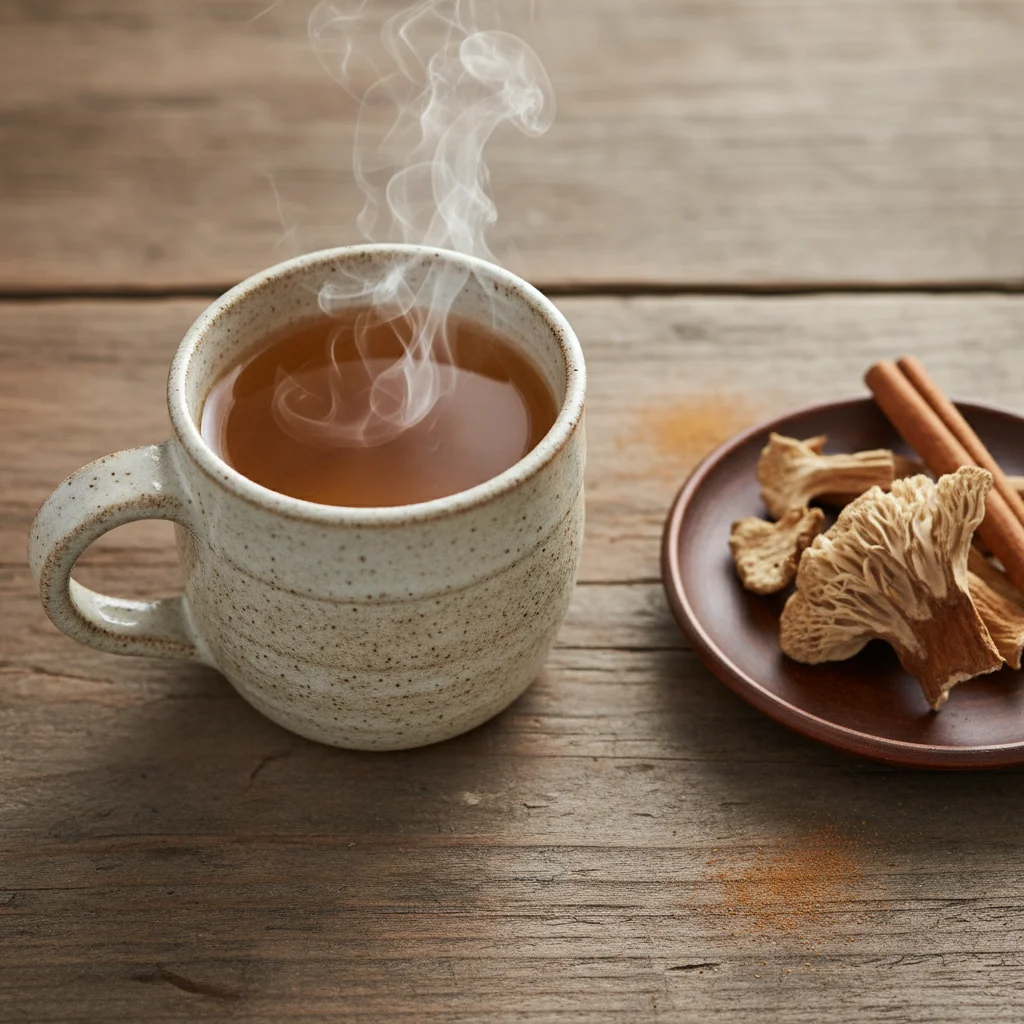
Brewing your own cup is straightforward. You can use dried lion’s mane pieces, a pre-made tea blend, or a dual-extracted powder.
Ingredients:
* 1-2 teaspoons of dried, chopped lion’s mane mushroom or 1 tsp of lion’s mane powder
* 8-10 oz of fresh water
* Optional: cinnamon stick, ginger, honey, or a splash of milk for flavor
Instructions:
1. Simmer: Bring water to a boil in a small pot. Add the dried lion’s mane pieces (if using).
2. Steep: Reduce heat to a low simmer, cover, and let it gently cook for 15-20 minutes. If using powder, simply add it to a cup of hot water.
3. Strain: Pour the tea through a strainer into your mug to remove the mushroom pieces.
4. Flavor: Add any optional flavorings like honey or cinnamon to taste.
What to Look For: Buying Quality Lion’s Mane
Because the supplement industry is not tightly regulated, quality is paramount. Here’s a quick guide:
| Feature | What to Look For | Why It Matters |
|---|---|---|
| Source & Farming | Organic, sustainably grown mushrooms. | Ensures purity and avoids pesticides/herbicides. |
| Extraction Method | “Dual-Extracted” (water & alcohol). | Captures both water-soluble (beta-glucans) and alcohol-soluble (terpenes) compounds for full benefits. |
| Form | Whole mushroom powder or pieces over mycelium-on-grain. | Guarantees you’re getting the fruiting body, which contains the active compounds. |
| Third-Party Testing | Products verified by independent labs for purity and potency. | Confirms the product is free from heavy metals, molds, and accurately labeled. |
Potential Side Effects and Considerations
Lion’s mane is generally considered safe for most people. However, some individuals may experience mild side effects.
* Digestive Discomfort: A small number of people report mild stomach upset or bloating.
* Allergic Reactions: Those allergic to mushrooms should obviously avoid it.
* Medication Interactions: There is a theoretical possibility it could slow blood clotting. If you are on blood-thinning medication (like warfarin) or have a surgery scheduled, consult your doctor first. Furthermore, due to a lack of research, it is typically not recommended for pregnant or breastfeeding women.
Disclaimer: This information is for educational purposes only and is not medical advice. Always consult with a healthcare professional before starting any new supplement, especially if you have a pre-existing health condition.
Frequently Asked Questions (FAQ)
Q: What does lion’s mane tea taste like?
A: It has a mild, slightly sweet, and earthy flavor, often compared to seafood like lobster or crab. It blends very well with other flavors like chai or cocoa.
Q: How often should I drink lion’s mane tea for benefits?
A: Consistency is key. Most research is based on daily consumption. Many people drink 1-2 cups daily, often in the morning or afternoon for a cognitive boost.
Q: Can I drink it before bed?
A: While it’s not a sedative, it doesn’t typically contain caffeine. However, due to its potential cognitive-enhancing effects, some individuals might find it too stimulating before sleep. It’s best to try it earlier in the day first.
Q: Where can I learn more about proven brain health strategies?
A: For a comprehensive look at supporting cognitive function, you can read about other researched supplements in our Brainamp review.
Final Thoughts
In conclusion, lion’s mane mushroom tea presents a fascinating and palatable way to potentially support your brain, mood, and immune system. By choosing a high-quality product and brewing it correctly, you can incorporate this ancient medicinal mushroom into a modern wellness routine. Remember, however, that it is a supplement, not a miracle cure. For optimal health, pair it with a balanced diet, regular exercise, and quality sleep. Why not put the kettle on and see if this unique tea works for you?


One thought on “Lion’s Mane Tea Benefits & Brew”
Comments are closed.