
Best Foods After Wisdom Teeth Removal
The Ultimate Guide to Food Good After Wisdom Teeth Removal
Having your wisdom teeth removed is a common procedure, but the recovery process requires careful attention, particularly to your diet. Eating the wrong foods can lead to discomfort, pain, or even a condition called dry socket. Therefore, knowing which foods are safe and nourishing is crucial for a smooth and speedy recovery. This guide will walk you through the best soft foods to eat after wisdom teeth removal, organized by recovery stage, to help you heal comfortably and effectively.
Why Your Post-Surgery Diet Matters
Firstly, the primary goal after oral surgery is to protect the surgical sites. Crunchy, hard, chewy, or spicy foods can dislodge the blood clot that forms in the socket, which is essential for healing. Consequently, a diet of soft, bland, and nutrient-rich foods minimizes irritation and provides the energy your body needs to repair itself. Moreover, staying hydrated is paramount, but you must avoid using straws, as the suction can also disrupt clotting.
Stage-by-Stage: What to Eat After Wisdom Teeth Removal
Your diet will naturally progress as healing occurs. Here’s a breakdown of what to focus on in the first few days and beyond.
The First 24-48 Hours: Liquid & Very Soft Foods
During this initial phase, focus on cool or room-temperature liquids and purees. Cold foods can help reduce swelling and provide soothing relief.
- Broths & Soups: Nutrient-rich bone broth, clear chicken broth, or vegetable broth. Ensure any soups are strained and lukewarm, not hot.
- Dairy: Drinkable yogurt, kefir, and smooth, sugar-free pudding. These are excellent sources of protein and calcium.
- Smoothies & Shakes: Blended fruit smoothies (without seeds) and protein shakes. Do not use a straw. Consider adding supplements for an extra nutritional boost, similar to those found in a guide to the best brain health supplements.
- Applesauce & Purees: Unsweetened applesauce, mashed bananas, and other pureed fruits.
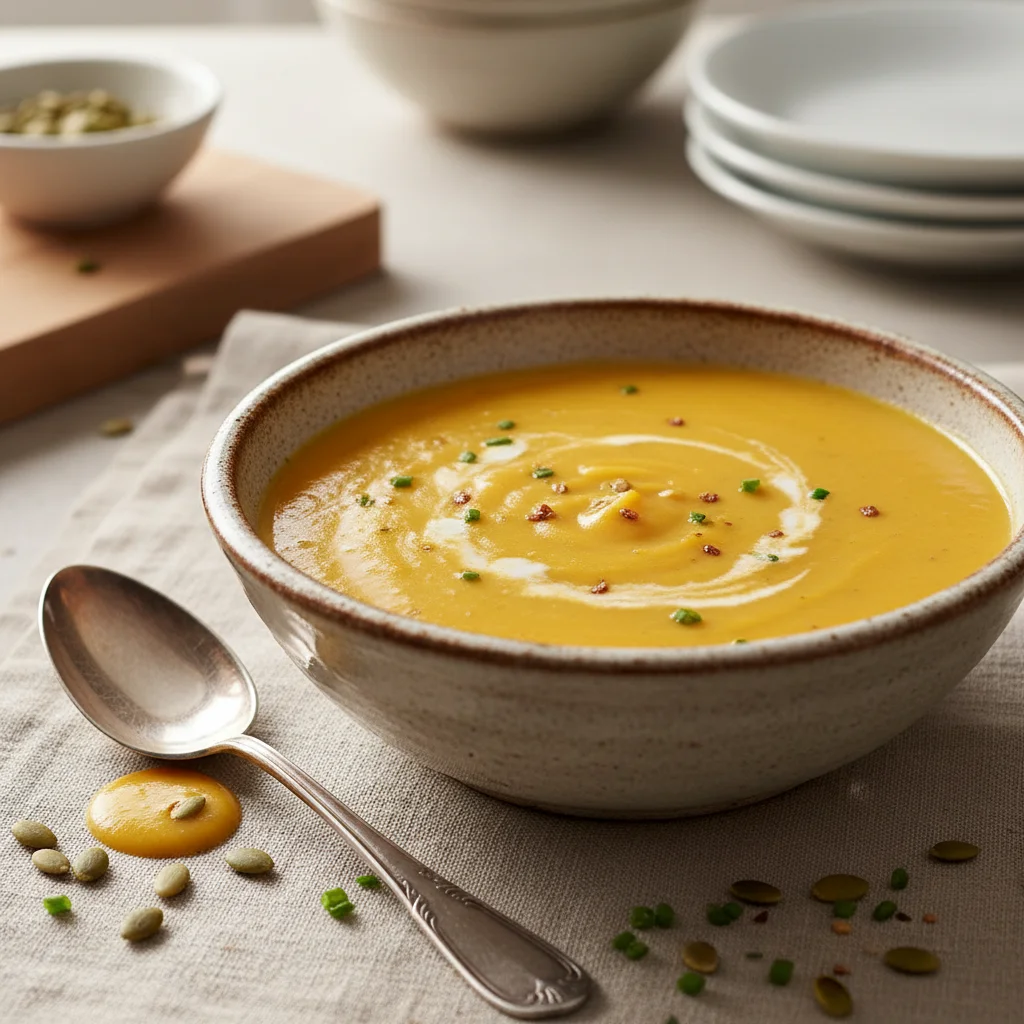
Days 3-5: Introducing Soft Solids
As swelling decreases and pain becomes more manageable, you can carefully introduce more substantial soft foods that require minimal chewing.
- Mashed Vegetables: Well-mashed potatoes (sweet or regular), mashed cauliflower, or steamed and pureed carrots.
- Soft Grains: Very well-cooked oatmeal, cream of wheat, or congee (rice porridge).
- Eggs: Soft-scrambled eggs or a gently cooked omelet are fantastic soft protein sources.
- Soft Fruits: Avocado, ripe pear, or thoroughly mashed peaches.
Days 6 and Beyond: Gradual Return to Normal
If you’re healing well, you can start to incorporate more variety. However, you should still avoid hard, crunchy, or sticky foods for at least a week, if not two.
- Soft Pasta & Noodles: Well-cooked pasta like macaroni and cheese, or soft noodles in broth.
- Flaky Fish: Gently cooked, flaky fish like salmon or cod that easily falls apart.
- Soft-Cooked Meats: Finely shredded, slow-cooked chicken or ground meat in a sauce.
- Soft Cheese: Cottage cheese or ricotta.
Top Food Choices: A Quick-Reference Table
For an easy overview, here is a table categorizing excellent food choices for your recovery.
| Food Category | Excellent Choices | Key Nutrients & Benefits |
|---|---|---|
| Dairy & Cool Foods | Greek yogurt, smooth pudding, ice cream (no chunks) | Protein, calcium, probiotics; cool temps soothe inflammation. |
| Proteins | Blended protein shakes, soft-scrambled eggs, hummus | Essential for tissue repair and fighting fatigue. |
| Grains & Carbs | Mashed potatoes, overcooked pasta, cream of wheat | Provides easy-to-digest energy for healing. |
| Fruits & Veggies | Applesauce, mashed avocado, blended smoothies | Vitamins, minerals, and antioxidants to support immunity. |
| Hydration | Water, electrolyte drinks, lukewarm herbal tea like chamomile tea | Prevents dehydration; chamomile may offer mild calming effects. |
Critical Foods and Habits to Avoid
Knowing what not to eat is equally important. Consequently, you must strictly avoid the following for at least a week:
- Crunchy & Hard Foods: Chips, nuts, popcorn, toast.
- Chewy & Sticky Foods: Steak, jerky, caramel, gum.
- Spicy & Acidic Foods: Hot sauce, citrus juices, tomato sauce.
- Extreme Temperatures: Very hot soups or coffee.
- Alcohol & Caffeine: Can interfere with healing and medications.
- Using Straws: The suction is a major risk factor for dry socket.
Tips for a Nourishing and Comfortable Recovery
- Stay Hydrated: Sip water constantly throughout the day. Dehydration can slow healing and worsen pain.
- Focus on Nutrition: Prioritize protein and vitamins. Your body needs fuel to rebuild tissue. If you’re on a restricted diet, our guide to 9 vegan keto diet plans might offer inspiration for future, nutrient-dense meals.
- Eat Small, Frequent Meals: Instead of three large meals, try five or six smaller ones. This is easier to manage and keeps energy levels stable.
- Practice Gentle Oral Hygiene: Follow your surgeon’s instructions, typically starting with gentle saltwater rinses 24 hours after surgery.
When to Resume a Normal Diet
You can generally begin reintroducing more solid foods after about one week, but always listen to your body and your surgeon’s specific advice. If a food causes pain or seems to get lodged in the extraction sites, revert to softer options for a few more days.
In conclusion, a thoughtful diet is a cornerstone of comfortable wisdom teeth recovery. By sticking to soft, nutritious foods and avoiding irritants, you support your body’s natural healing process. Remember, this dietary phase is temporary, and taking it slow will lead to a smoother recovery. Always follow the specific post-operative instructions provided by your oral surgeon or dentist for the best outcome.