
Rooibos Tea Benefits & Brewing Guide
The Complete Guide to South African Rooibos Tea
South African rooibos, often called “red bush tea,” is a vibrant, caffeine-free herbal infusion celebrated globally for its unique flavor and impressive health profile. Unlike traditional teas from the Camellia sinensis plant, rooibos is made from the leaves of the Aspalathus linearis shrub, native exclusively to South Africa’s Cederberg region. Consequently, it offers a distinctively smooth, slightly sweet, and nutty taste without the bitterness or caffeine jitters. Moreover, its rich antioxidant content has made it a staple in wellness circles, promoting everything from heart health to better sleep.
What is Rooibos Tea?
Rooibos (pronounced ROY-boss) is a herbal tea produced from the fermented leaves of the red bush plant. The fermentation process is what gives the traditional “red” rooibos its characteristic amber-red color and deeper, richer flavor. There is also an unfermented “green” rooibos, which is processed similarly to green tea, resulting in a lighter color, a more grassy flavor, and an even higher antioxidant level. Historically, the indigenous Khoisan people of South Africa used the plant for its medicinal properties for centuries before it became a commercial export in the 20th century.
Top Health Benefits of Rooibos Tea
The growing popularity of rooibos is largely due to its dense nutritional profile. It is packed with polyphenols like aspalathin and nothofagin, which are powerful antioxidants. Therefore, incorporating this tea into your routine can support overall well-being in several key ways.
1. Rich in Antioxidants
Rooibos is loaded with antioxidants that help combat oxidative stress by neutralizing free radicals in the body. This action can reduce cellular damage and lower the risk of chronic diseases. Aspalathin, an antioxidant unique to rooibos, has been studied for its potential to protect against vascular inflammation and heart disease.
2. Naturally Caffeine-Free
For those sensitive to caffeine or looking to reduce their intake, rooibos is an excellent alternative to black or green tea. Because it contains no caffeine, it can be enjoyed at any time of day, even before bed, without disrupting sleep patterns. This makes it a perfect evening beverage for relaxation.
3. May Support Heart Health
Research suggests that rooibos tea can positively influence heart health. Firstly, it may help by inhibiting the angiotensin-converting enzyme (ACE), which can lead to lowered blood pressure. Additionally, some studies indicate it can improve cholesterol levels by increasing “good” HDL cholesterol and reducing “bad” LDL cholesterol.
4. Could Aid Digestion
Traditionally, rooibos has been used to soothe digestive ailments. Its antispasmodic properties can help relieve stomach cramps and indigestion. For broader gut health strategies, you might explore insights on the best powder supplements for gut health.
5. Promotes Skin Health
The alpha hydroxy acid and zinc in rooibos can be beneficial for the skin. Topically applied or consumed as a tea, it may help reduce acne, eczema, and sunburn damage due to its anti-inflammatory properties.
Rooibos vs. Other Herbal Teas: A Quick Comparison
| Feature | South African Rooibos | Chamomile Tea | Peppermint Tea |
|---|---|---|---|
| Primary Use | Antioxidant boost, relaxation | Sleep aid, calm nerves | Digestive relief, energy |
| Caffeine | None | None | None |
| Key Flavor | Sweet, nutty, earthy | Floral, apple-like | Strong, minty, cool |
| Notable Compounds | Aspalathin, Quercetin | Apigenin | Menthol |
| Best Served | Hot or iced, with/without milk | Hot, before bed | Hot or iced, after meals |
For another popular caffeine-free herbal option, learn about the calming effects of chamomile tea.
How to Brew the Perfect Cup of Rooibos
Brewing rooibos is simple, but a few tips can elevate your experience. Because the leaves are tougher than traditional tea leaves, they require hotter water and a longer steeping time to fully release their flavor and benefits.
- Use Fresh, Filtered Water: Start with cold, fresh water for the best taste.
- Heat to Near-Boil: Bring water to a full boil (around 212°F or 100°C). Rooibos is robust and won’t become bitter from high heat.
- Measure Your Tea: Use one teaspoon of loose-leaf rooibos or one tea bag per 8-ounce cup.
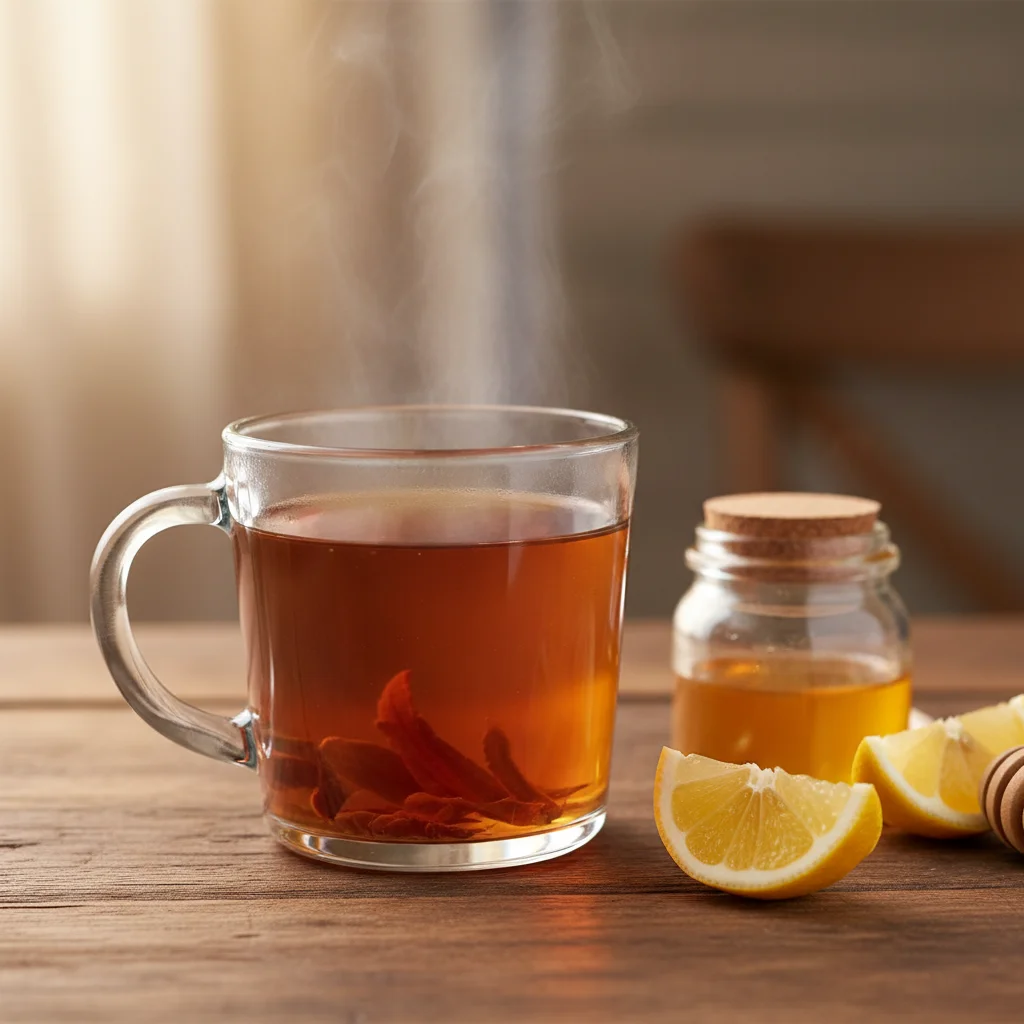
- Steep Thoroughly: Pour the boiling water over the leaves and steep for 5 to 7 minutes. For a stronger, more robust flavor, you can steep for up to 10 minutes.
- Enjoy Your Way: Strain the leaves and enjoy it plain, or add a slice of lemon, a dash of honey, or a splash of milk. It also makes a fantastic base for iced tea lattes.
Potential Side Effects and Considerations
Rooibos is generally considered very safe for daily consumption for most people. However, due to its potential estrogenic activity, individuals with hormone-sensitive conditions should consult a healthcare provider before consuming it in large, medicinal quantities. Furthermore, while rare, some animal studies have noted high consumption could affect liver enzymes, so moderation is key.
Where to Buy and How to Store
Authentic South African rooibos is widely available in health food stores, specialty tea shops, and online. Look for brands that specify their origin. To maintain freshness and potency, store your rooibos in an airtight container away from light, heat, and moisture.
Final Thoughts
South African rooibos is more than just a tasty beverage; it’s a nutrient-rich herbal infusion with a legacy of wellness. Its unique combination of being caffeine-free, high in antioxidants, and supportive of heart and digestive health makes it a versatile addition to any health-conscious routine. Whether you’re seeking a calming evening ritual or a healthy alternative to sugary drinks, a cup of rooibos offers a simple, pleasurable path to better health. For those exploring other natural remedies, understanding common ailments like the symptoms of strep throat can be equally important for maintaining well-being.

