
Best Foods After Wisdom Teeth Removal
The Ultimate Guide to Foods After Wisdom Teeth Removal
Recovering from wisdom teeth extraction requires careful attention to your diet. Choosing the wrong foods can lead to pain, discomfort, or even a condition called dry socket. Therefore, knowing what to eat and when is crucial for a smooth healing process. This guide provides a comprehensive list of safe, nutritious foods and a clear timeline to follow.
Why Your Diet Matters After Extraction
Firstly, the surgical sites in your mouth are vulnerable. Crunchy, hard, or hot foods can dislodge the protective blood clot that forms in the socket, which is essential for healing. Consequently, a soft, cool, and bland diet is recommended initially to promote clotting and reduce swelling. Moreover, proper nutrition supports your body’s immune response, helping you heal faster.
Phase 1: The First 24-48 Hours (Liquid & Very Soft Foods)
During this initial phase, your mouth will be most sensitive. Focus on cool or room-temperature liquids and purees.
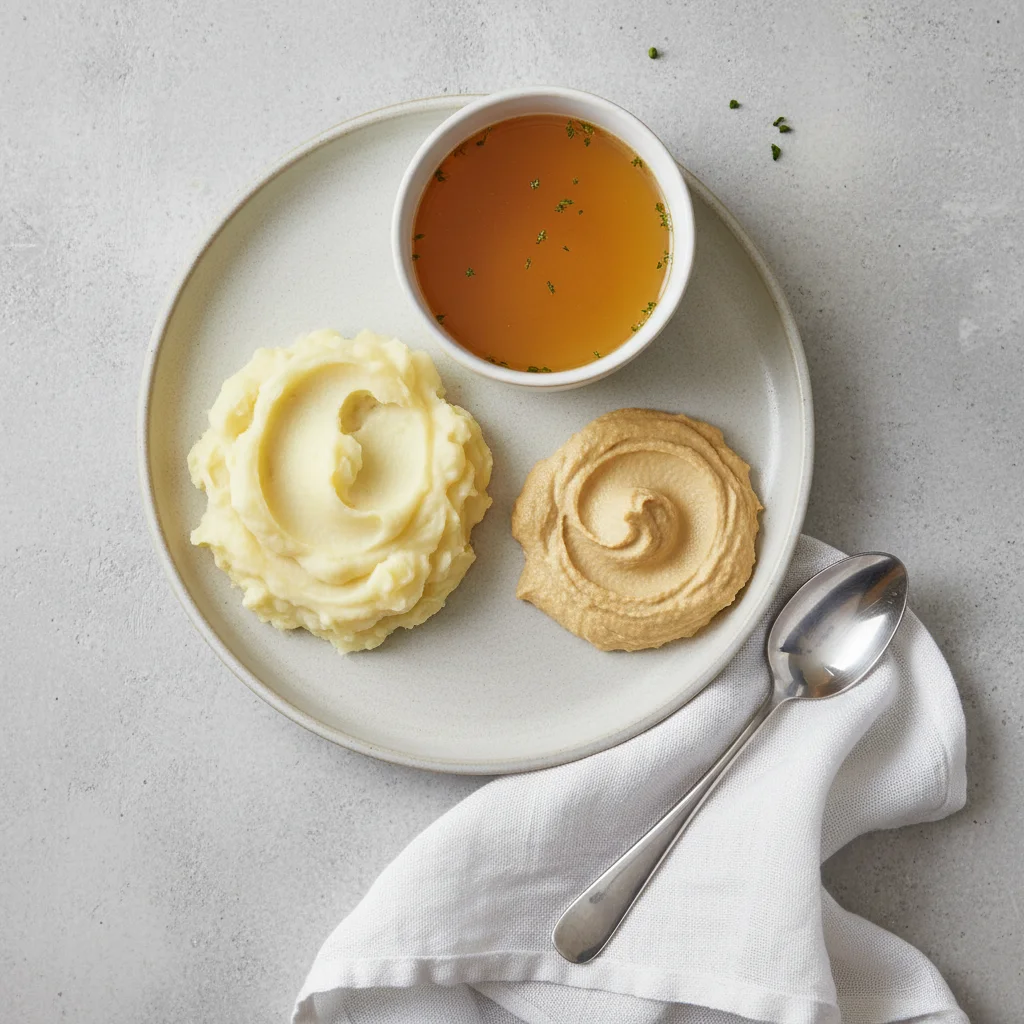
- Broths & Soups: Nutrient-rich bone broth or lukewarm, blended soups (like tomato or butternut squash) are excellent. Avoid soups with chunks or that are served hot.
- Smoothies & Yogurt: Packed with vitamins, smoothies (made without seeds) and plain Greek yogurt are fantastic options. You can explore recipes from our guide on 9 Vegan Keto Diet Plans for dairy-free, nutrient-dense smoothie ideas.
- Applesauce & Pudding: These provide easy calories and a bit of sweetness without any chewing.
- Jell-O & Ice Cream: Cool, soft desserts can help soothe the area. Opt for sugar-free versions if possible.
CRITICAL: Do Not Use a Straw. The suction can dislodge the blood clot, leading to a painful dry socket.
Phase 2: Days 3-7 (Introducing Soft Solids)
As swelling decreases, you can gradually introduce more substantial soft foods that require minimal chewing.
- Mashed Potatoes & Avocado: Creamy, calorie-dense, and easy to eat.
- Scrambled Eggs & Soft Tofu: Excellent sources of protein for tissue repair.
- Oatmeal & Cream of Wheat: Warm (not hot), well-cooked cereals are comforting and filling.
- Cottage Cheese & Hummus: Soft, protein-rich spreads.
Phase 3: Week 2 Onward (Transitioning Back to Normal)
You can slowly reintroduce more textured foods as your comfort allows. Start with soft-cooked pasta, flaky fish, and well-steamed vegetables. Continue to avoid very hard, crunchy, spicy, or sticky foods until fully healed.
Foods to Absolutely Avoid
To prevent complications, you must steer clear of these items for at least a week, if not longer:
* Crunchy: Chips, nuts, popcorn, toast.
* Chewy: Steak, bagels, jerky.
* Spicy/Hot: Hot sauces, curries, which can irritate the wound.
* Acidic: Citrus juices (like orange or lemon), which can cause stinging. For information on a less acidic citrus option, you can read about Blood Orange Nutrition Information.
* Sticky: Caramel, gum, which can get stuck.
* Alcoholic Beverages: Can interfere with healing and medication.
Sample 3-Day Meal Plan for Early Recovery
Here is a simple, balanced plan to follow in the first few days post-surgery.
| Day | Breakfast | Lunch | Dinner | Snack |
|---|---|---|---|---|
| Day 1 | Greek Yogurt | Lukewarm Butternut Squash Soup | Bone Broth | Sugar-Free Jell-O |
| Day 2 | Protein Smoothie (no seeds) | Blended Lentil Soup | Mashed Avocado & Banana | Applesauce |
| Day 3 | Cream of Wheat | Scrambled Eggs | Mashed Sweet Potatoes | Pudding |
Essential Tips for a Comfortable Recovery
- Stay Hydrated: Drink plenty of water to aid healing and prevent dehydration.
- Nutrition is Key: Prioritize protein and vitamins. Consider a high-quality supplement if your intake is low; for instance, some people look into the best powder supplements for gut health for easy digestion during recovery.
- Practice Gentle Oral Hygiene: After the first 24 hours, gently rinse with warm salt water after eating to keep the area clean.
- Listen to Your Body: If a food causes pain or seems to get lodged, stop eating it and return to softer options.
When to Call Your Surgeon
While some discomfort is normal, contact your oral surgeon immediately if you experience:
* Severe pain not relieved by prescribed medication.
* Signs of infection (fever, excessive swelling, pus).
* Persistent bleeding.
* Numbness that doesn’t subside.
By following this dietary guide, you provide your body with the best possible foundation for healing. Remember, a few days of careful eating can prevent weeks of complications. Consequently, be patient with your recovery and prioritize soft, nutritious choices for a quicker return to your normal diet and health.