
Mixed Seeds: Nutrition & Benefits
The Mighty Power of Mixed Seeds: A Tiny Nutritional Powerhouse
Have you ever considered the immense nutritional value packed into a simple spoonful of mixed seeds? These tiny kernels are far more than just bird food; they are a concentrated source of essential vitamins, minerals, healthy fats, and fiber. Incorporating a diverse blend of seeds into your daily routine is one of the simplest and most effective strategies for boosting your overall health. Consequently, this guide will explore everything you need to know about mixed seeds, from their impressive benefits to delicious ways to enjoy them.
What Are Mixed Seeds?
Mixed seeds typically refer to a combination of two or more edible seeds, commonly including varieties like flax, chia, pumpkin, sunflower, sesame, and hemp. Each seed brings its own unique nutritional profile to the table, creating a synergistic blend that offers a broader range of nutrients than any single seed alone. Therefore, by consuming a mix, you ensure a more comprehensive intake of essential fatty acids, proteins, and micronutrients.
Top Nutritional Benefits of Common Seeds
To understand why a mixed seed blend is so beneficial, it’s helpful to break down the key players. The following table highlights the standout nutrients and primary health benefits of some of the most popular seeds.
| Seed Type | Key Nutrients | Primary Health Benefits |
|---|---|---|
| Flaxseeds | Omega-3 ALA, Lignans, Fiber | Supports heart health, promotes digestive regularity, may help balance hormones. |
| Chia Seeds | Omega-3 ALA, Fiber, Calcium, Magnesium | Aids hydration and energy, supports bone health, promotes satiety and weight management. |
| Pumpkin Seeds | Zinc, Magnesium, Iron, Plant-Based Protein | Boosts immune function, supports prostate health, improves sleep quality. |
| Sunflower Seeds | Vitamin E, Selenium, Healthy Fats | Powerful antioxidant protection, supports skin health, reduces inflammation. |
| Hemp Seeds | Complete Plant Protein, Gamma-Linolenic Acid (GLA) | Supports muscle repair, reduces inflammation, promotes healthy skin and hair. |
| Sesame Seeds | Calcium, Copper, Manganese, Sesamin | Strengthens bones, supports antioxidant defense, may help lower cholesterol. |
5 Key Health Benefits of Eating Mixed Seeds
Combining these seeds amplifies their individual benefits. Here are the top five reasons to make mixed seeds a dietary staple.
1. Enhanced Heart Health
Firstly, the blend of omega-3 fatty acids from flax and chia, alongside the magnesium in pumpkin seeds and the vitamin E in sunflower seeds, creates a powerful heart-protective mix. These nutrients work together to help manage blood pressure, reduce LDL (bad) cholesterol, and decrease arterial inflammation. Moreover, the fiber content aids in removing excess cholesterol from the body.
2. Improved Digestive Function
The high fiber content in seeds like flax, chia, and hemp is crucial for digestive health. This fiber adds bulk to stool and acts as a prebiotic, feeding the beneficial bacteria in your gut. Consequently, regular consumption can help prevent constipation and promote a healthy, balanced gut microbiome.
3. Sustained Energy and Weight Management
Mixed seeds provide a perfect balance of healthy fats, protein, and complex carbohydrates. This macronutrient profile ensures a slow, steady release of energy, preventing the blood sugar spikes and crashes associated with refined carbs. Additionally, the protein and fiber promote feelings of fullness, which can naturally help curb overeating and support weight management goals. For those on specific diets, understanding options like a 9 vegan keto diet plan can show how seeds fit into restrictive eating patterns.
4. Robust Bone Support
Seeds are an excellent plant-based source of bone-building minerals. For instance, sesame seeds are rich in calcium, while pumpkin and chia seeds provide magnesium, and sunflower seeds offer copper and vitamin E. This mineral diversity is essential for maintaining bone density and preventing osteoporosis as we age.
5. Antioxidant and Anti-Inflammatory Power
Chronic inflammation is at the root of many diseases. Fortunately, seeds are packed with antioxidants like vitamin E, selenium, and unique compounds like lignans (in flax) and sesamin (in sesame). These compounds help combat oxidative stress and lower systemic inflammation, thereby supporting overall cellular health and longevity. Supporting brain health is another critical aspect of wellness, and certain supplements, like those reviewed in our guide to the best brain health supplements, often contain seed-derived nutrients.
How to Incorporate Mixed Seeds Into Your Diet
Incorporating mixed seeds into your meals is remarkably easy. Here are some simple ideas:
* Breakfast Boost: Sprinkle a tablespoon over oatmeal, yogurt, smoothie bowls, or avocado toast.
* Baking Buddy: Add them to muffin, bread, or pancake batter for a nutritious crunch.
* Salad Supercharger: Use a seed mix as a topping for salads instead of croutons.
* Snack Time: Make your own trail mix with seeds, nuts, and a bit of dried fruit.
* Binding Agent: Use ground flax or chia seeds as an egg substitute in vegan baking (1 tbsp ground seed + 3 tbsp water = 1 egg).
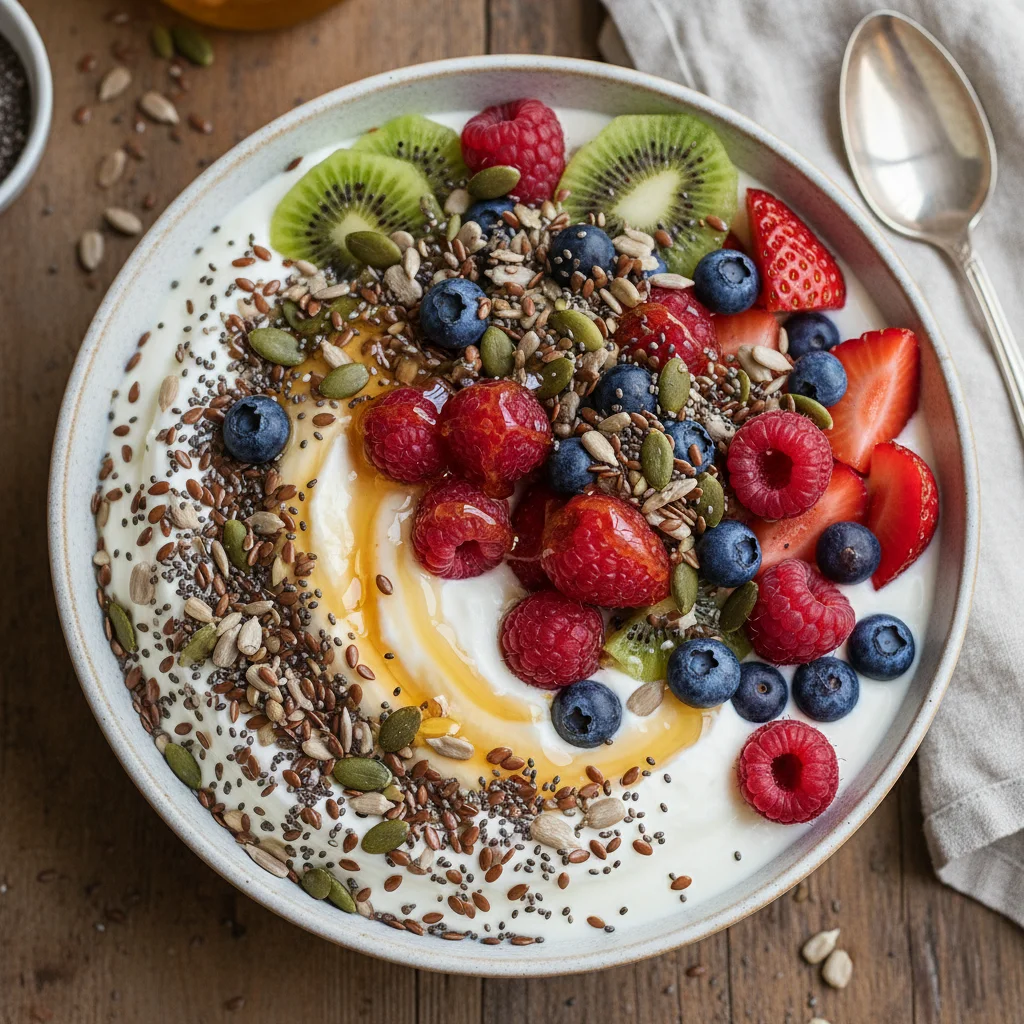
A Simple Recipe: Superfood Seed Blend
Create your own custom mix at home for ultimate freshness and control.
Ingredients:
* 1 cup raw pumpkin seeds
* 1 cup raw sunflower seeds
* 1/2 cup flaxseeds (ground for better absorption)
* 1/2 cup chia seeds
* 1/2 cup sesame seeds
Instructions:
1. Combine all seeds in a large, airtight container.
2. Store in a cool, dark place or the refrigerator to prevent the healthy fats from going rancid.
3. Shake well before each use. Use within 1-2 months for best quality.
Potential Considerations and Side Effects
While incredibly healthy, it’s wise to introduce seeds gradually. Their high fiber content can cause bloating or digestive discomfort if you increase intake too quickly. Furthermore, always drink plenty of water, especially with chia and flax seeds, as they absorb liquid. Individuals with specific conditions, such as diverticulitis, should consult a doctor. For more general wellness, exploring natural remedies for common ailments, like these sore throat remedies, can complement a healthy diet.
The Final Verdict on Mixed Seeds
In conclusion, mixed seeds are a convenient, versatile, and densely nutritious addition to any diet. They offer a simple path to enhancing your intake of crucial fats, protein, fiber, and minerals. By incorporating just a spoonful or two each day, you can significantly contribute to your heart, digestive, and bone health. Therefore, why not start experimenting with a blend today? Your body will undoubtedly thank you for this small but mighty nutritional upgrade.
Disclaimer: This article is for informational purposes only and is not a substitute for professional medical advice. Always consult with a healthcare provider before making significant changes to your diet, especially if you have underlying health conditions.


2 thoughts on “Mixed Seeds: Nutrition & Benefits”
Comments are closed.