
ACV Pills vs Liquid: Which is Best?
ACV Pills vs Liquid: A Complete Comparison Guide
Apple cider vinegar (ACV) has cemented its place as a popular wellness tonic, celebrated for its potential benefits for weight management, blood sugar, and digestion. However, its potent, acidic taste can be a significant barrier. Consequently, many people now face a choice: the traditional liquid or convenient ACV pills. This guide will break down the key differences, benefits, and drawbacks of each form to help you decide.
What Are ACV Pills and ACV Liquid?
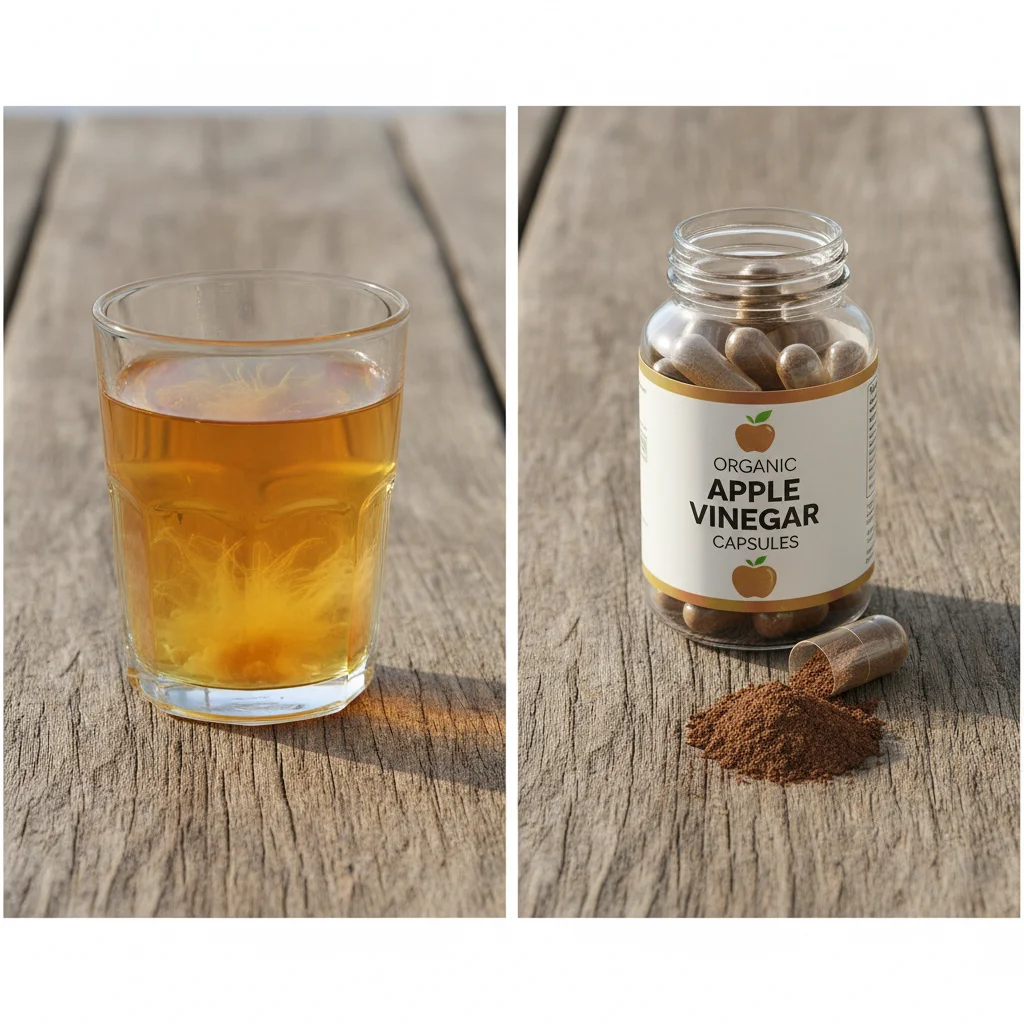
Firstly, it’s essential to understand what each product actually is. Apple cider vinegar liquid is the raw, fermented juice from crushed apples. The “mother”—a cloudy strand of proteins, enzymes, and friendly bacteria—is often present in unfiltered varieties and is considered a source of its purported benefits.
Apple cider vinegar pills or capsules are dietary supplements. They typically contain dehydrated or powdered ACV. Some may also include additional ingredients like beetroot, advanced amino formula, or other vitamins to enhance their profile. Their primary selling point is convenience and avoiding the strong taste.
Head-to-Head: Key Differences at a Glance
| Feature | ACV Liquid (with “Mother”) | ACV Pills & Capsules |
|---|---|---|
| Form & Convenience | Liquid; requires measuring/diluting | Pill/capsule; highly portable, no prep |
| Taste & Palatability | Strong, sour, acidic taste | Tasteless, easy to swallow |
| Typical Acetic Acid Content | Usually 5-6% per tablespoon | Varies widely; often equivalent to 1-2 tsp liquid |
| “The Mother” | Present in unfiltered types | May be listed, but processing can degrade it |
| Cost Over Time | Generally more economical | Often more expensive per serving |
| Versatility | Can be used in cooking, dressings, tonics | For supplementation only |
| Onset of Effect | May be absorbed more quickly | Requires digestion to release |
The Pros and Cons: A Detailed Breakdown
Apple Cider Vinegar Liquid: The Traditional Choice
Advantages:
* Potency & Purity: You are consuming the unadulterated product. The acetic acid content is standardized and clear.
* The “Mother”: Unfiltered liquids contain this probiotic-rich substance, which may support gut health.
* Versatility: Beyond drinking, it’s excellent for making salad dressings, marinades, and even household cleaners.
* Research-Backed: Most scientific studies on ACV’s effects on blood sugar levels and satiety use the liquid form. For more on managing glucose, see our blood sugar levels guide.
Disadvantages:
* Taste and Acidity: The sour taste is challenging for many. Moreover, its acidity can erode tooth enamel and irritate the throat if not properly diluted.
* Inconvenience: It requires carrying a bottle and mixing with water, which isn’t always practical.
* GI Discomfort: For some, drinking it can cause temporary nausea or heartburn.
Apple Cider Vinegar Pills: The Modern Supplement
Advantages:
* Extreme Convenience: No mixing, no taste. They are perfect for travel and busy lifestyles.
* No Dental Risk: Because you swallow a capsule, your teeth are not exposed to acetic acid.
* Potentially Gentler on Digestion: The coated capsules may bypass the stomach’s initial acidic environment, reducing irritation for some users.
Disadvantages:
* Questionable Potency & Regulation: The supplement industry is not tightly regulated. Consequently, some pills may contain far less acetic acid than advertised, or include fillers. A NIH study has noted variability in supplement contents.
* Possible Lack of “The Mother”: The dehydration process may destroy beneficial enzymes and bacteria.
* Risk of Esophageal Injury: If a capsule gets stuck or dissolves slowly, it can cause localized tissue damage—a risk highlighted by medical case reports.
* Cost: They are often more expensive per dose than the liquid form.
Which is Better for Specific Goals?
- For Weight Loss Support: Both forms are marketed for this. However, the liquid may create a stronger feeling of fullness when drunk before meals. The evidence for pills is less direct.
- For Blood Sugar Management: The liquid form has more consistent research behind its ability to improve insulin sensitivity. Therefore, it might be the more reliable choice, though pills claiming similar benefits exist.
- For Digestive Health: If you’re seeking probiotics from “the mother,” a high-quality, unfiltered liquid is likely superior. Alternatively, for simple convenience without the taste, a reputable pill could suffice.
- For General Wellness & Convenience: If your main goal is easy daily supplementation, and you choose a transparent, high-quality brand, pills can be an excellent option.
Safety and Important Considerations
Regardless of your choice, safety is paramount.
* Always Dilute Liquid ACV: Never drink it straight. Mix 1-2 tablespoons in a large glass of water.
* Check Supplement Labels: Look for third-party testing seals (like USP or NSF) and clear acetic acid content listings.
* Consult Your Doctor: This is crucial if you have diabetes, are on medication (especially diuretics or insulin), have kidney problems, or suffer from GERD. ACV can interact with drugs and conditions.
* Start Slow: Begin with a low dose to assess your body’s tolerance.
The Verdict: Which Should You Choose?
The “best” form depends entirely on your personal priorities.
Choose ACV Liquid if: You want the most researched, versatile, and potent form. You don’t mind the taste and are diligent about diluting it to protect your teeth. You value the potential probiotic benefits of “the mother.”
Choose ACV Pills if: Convenience and avoiding the taste are your top concerns. You are willing to meticulously research brands to find a reputable, transparent supplement. You understand the potential variability in potency.
Ultimately, both ACV pills and liquid can be part of a healthy routine. The key is to select a high-quality product, use it consistently and safely, and pair it with a balanced diet. For those exploring other natural wellness paths, research into options like a medicinal garden kit can be a complementary endeavor. Remember, no supplement is a magic bullet; it’s one piece of a larger health puzzle.

