
Basmati vs Brown Rice: Nutrition & Benefits
Basmati Rice vs Brown Rice: Which Grain Wins for Your Health?
Choosing the right type of rice can significantly impact your meals, nutrition, and health goals. Two popular contenders, basmati rice and brown rice, often leave people wondering which is the superior choice. This comprehensive comparison will break down their differences in nutrition, health benefits, taste, and culinary uses. Consequently, you’ll be equipped to make the perfect choice for your plate.
Nutritional Showdown: A Side-by-Side Comparison
Firstly, understanding the core nutritional profiles is essential. The primary distinction lies in processing: brown rice is a whole grain, while white basmati is a refined grain. However, brown basmati rice also exists, combining the aromatic qualities of basmati with the whole-grain benefits of brown rice.
Here is a detailed comparison per one cup of cooked rice:
| Nutrient (Cooked, 1 cup) | Long-Grain Brown Rice | White Basmati Rice | Brown Basmati Rice |
|---|---|---|---|
| Calories | ~218 kcal | ~210 kcal | ~216 kcal |
| Carbohydrates | ~46 g | ~45 g | ~45 g |
| Fiber | 3.5 g | 0.6 g | 3.5 g |
| Protein | ~5 g | ~4.4 g | ~5 g |
| Fat | ~1.6 g | ~0.5 g | ~1.8 g |
| Glycemic Index (GI) | Medium (~68) | Medium to High (~58-69) | Medium (~68) |
| Key Minerals | High in Magnesium, Selenium | Lower in Minerals | High in Magnesium, Selenium |
Data sourced from the USDA FoodData Central.
Health Benefits and Considerations
The Case for Brown Rice
Brown rice, being a whole grain, retains its bran and germ layers. This gives it a significant nutritional edge, primarily due to its high fiber content. The fiber aids digestion, promotes satiety (helping with weight management), and supports a healthy gut microbiome. Moreover, its richer mineral profile, including magnesium and selenium, contributes to bone health and antioxidant defenses. For individuals managing blood sugar, brown rice’s lower glycemic impact compared to white rice makes it a more stable choice, as highlighted in resources like this blood sugar levels guide.
The Case for Basmati Rice
White basmati rice, while lower in fiber, has a unique advantage: it often has a lower glycemic index (GI) than other types of white rice. This means it may cause a slower, more gradual rise in blood sugar. Its light, fluffy texture and distinctive aroma make it a culinary favorite in dishes like pilafs and biryanis. Additionally, it is typically easier to digest for some people with sensitive stomachs. For those seeking a middle ground, brown basmati rice offers the nutty flavor and nutrition of a whole grain with the aromatic quality of basmati.
Taste, Texture, and Culinary Uses
Your choice will heavily depend on the dish you’re preparing.
* Brown Rice: Offers a nutty, earthy flavor and a chewy, hearty texture. It pairs wonderfully with robust dishes like stews, stir-fries, and grain bowls. It generally requires a longer cooking time and more water.
* White Basmati Rice: Known for its delicate, floral aroma and light, fluffy, separate grains when cooked. It’s the ideal choice for Persian and Indian cuisines. It cooks faster and is perfect for absorbing the flavors of spices and broths.
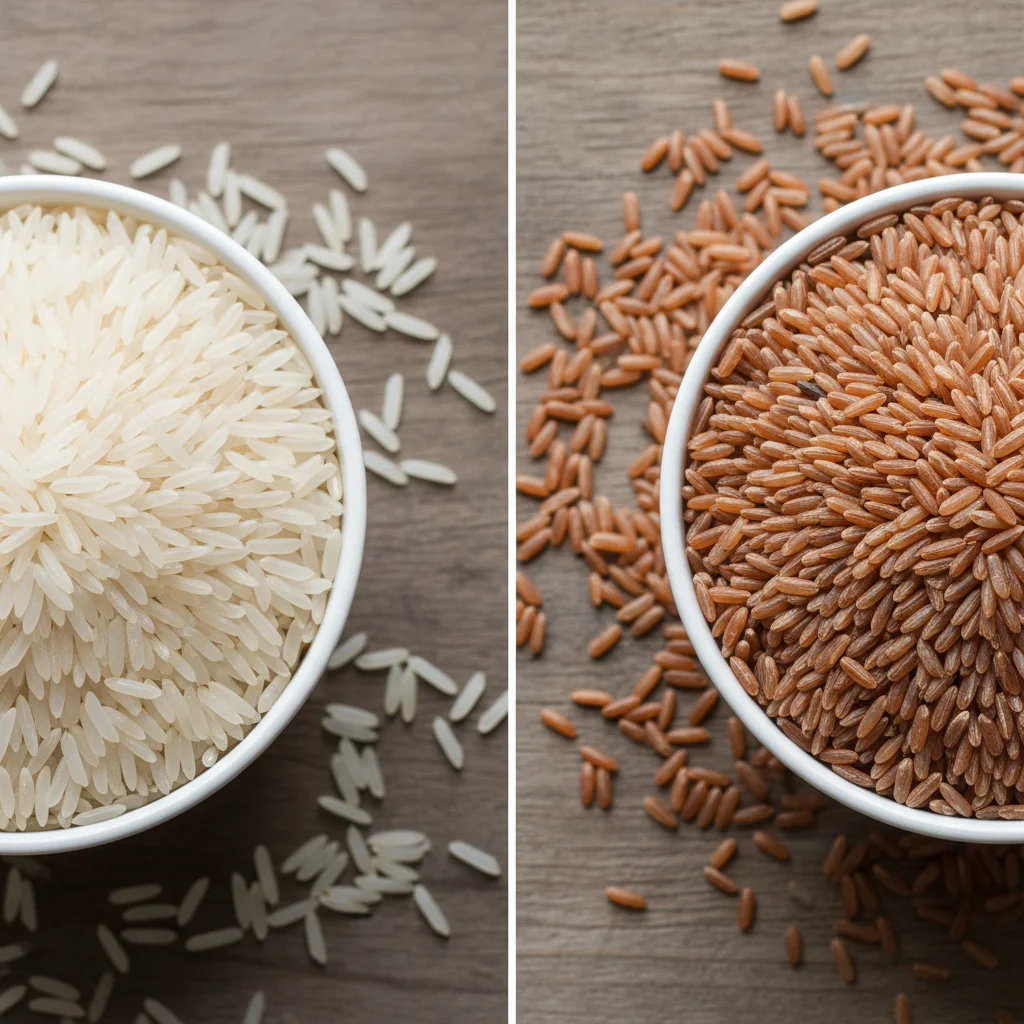
Which Rice Should You Choose? Decision Guide
Your health objectives and meal context should guide your selection. Here’s a quick guide:
- Choose Brown Rice if: Your priority is maximizing fiber intake, supporting digestive health, managing weight, or achieving more stable energy levels. Its whole-grain status provides more comprehensive nutrition.
- Choose White Basmati Rice if: You prioritize digestibility, a neutral flavor that complements aromatic dishes, or a quicker cooking time. Opting for brown basmati can be an excellent compromise.
- For Specific Diets: Individuals following a vegan keto diet plan would typically avoid both due to high carb content, whereas those focusing on general wellness might rotate between them.
It’s important to note that variety is key in a healthy diet. Therefore, alternating between whole grains like brown rice and refined grains like white basmati based on your meals is a perfectly balanced approach. Furthermore, always consider portion control, as serving size is crucial for calorie and carbohydrate management.
Final Verdict
In the battle of basmati rice vs brown rice, there is no single “winner.” Brown rice is the nutritional powerhouse, superior in fiber and minerals. Conversely, white basmati rice is the culinary specialist, prized for its texture and aroma, with a slightly better glycemic profile than other white rices.
Ultimately, the best rice for you depends on your nutritional needs, taste preferences, and the specific meal. For everyday health, brown rice (including brown basmati) is an excellent staple. However, for special culinary occasions where flavor and texture are paramount, white basmati is a superb choice. By understanding their distinct profiles, you can make informed decisions that benefit both your health and your palate.

