
Hormonal Balance Tea Benefits & Brewing
Hormonal Balance Tea: A Natural Path to Wellness
Feeling out of sync? From mood swings and fatigue to irregular cycles and stubborn weight, hormonal imbalances can disrupt your daily life. Consequently, many are turning to natural, supportive remedies. Among these, hormonal balance tea has emerged as a popular and gentle approach to fostering equilibrium within the body’s complex endocrine system.
Fundamentally, these are herbal infusions crafted from specific botanicals known to interact with and support the body’s hormonal pathways. They are not a cure-all, but rather a dietary supplement that can complement a healthy lifestyle. Let’s explore how they work, what key ingredients to look for, and how you can incorporate them into your routine.
How Can Tea Support Hormonal Health?
Herbal teas work through the action of phytonutrients and bioactive compounds. These natural substances can gently influence the endocrine system in several ways. Firstly, some herbs act as adaptogens, helping the body manage stress by regulating cortisol output—a primary hormone that, when chronically elevated, can throw other hormones like estrogen and progesterone off balance.
Additionally, certain plants contain phytoestrogens, which are plant-based compounds that can mimic or modulate the effects of estrogen in the body. They do this by weakly binding to estrogen receptors, which can help stabilize levels. Moreover, many herbs offer powerful anti-inflammatory and liver-supportive benefits. This is crucial because the liver plays a key role in metabolizing and clearing used hormones from the body. A well-functioning liver is essential for preventing hormonal buildup and promoting balance.
Key Herbs in Hormonal Balance Teas
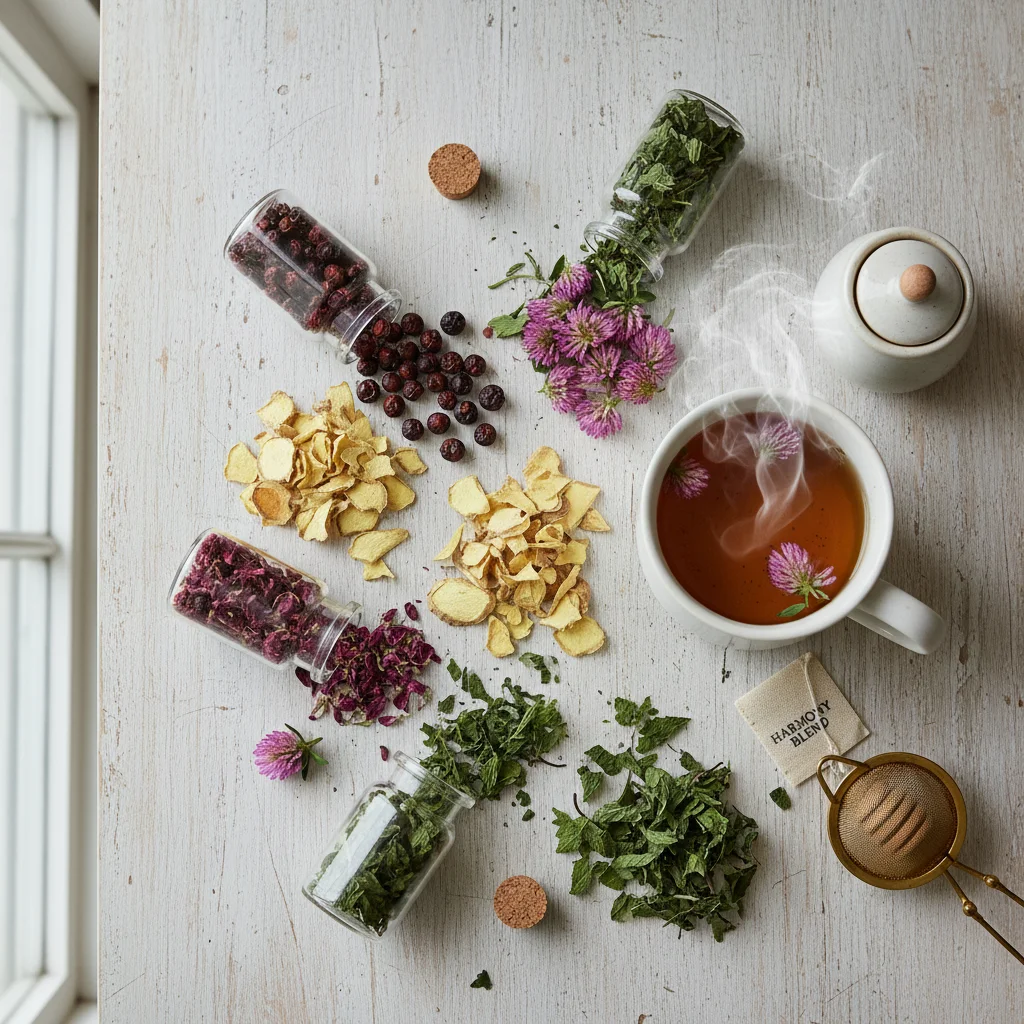
The efficacy of a hormonal tea depends entirely on its ingredients. Here is a breakdown of some of the most revered and researched herbs commonly found in these blends.
| Herb | Primary Action | Key Benefits & Notes |
|---|---|---|
| Chasteberry (Vitex) | Regulates Pituitary Gland | Often used to alleviate PMS symptoms, support regular menstrual cycles, and balance progesterone. |
| Red Clover | Contains Isoflavones (Phytoestrogens) | May help ease menopausal symptoms like hot flashes and support bone health. |
| Dong Quai | “Female Ginseng,” Blood Tonic | Traditionally used in Traditional Chinese Medicine for menstrual cramps and cycle regulation. |
| Maca Root | Adaptogen, Endocrine Support | Known to boost energy, libido, and may help balance estrogen and progesterone levels. |
| Spearmint | Anti-Androgenic | Shown in studies to reduce excess testosterone in conditions like PCOS, helping with symptoms like hirsutism. |
| Holy Basil (Tulsi) | Adaptogen, Stress Relief | Lowers cortisol, reduces stress-induced hormonal disruption, and supports metabolic health. |
| Ginger | Anti-inflammatory, Circulatory | Eases menstrual pain, reduces inflammation, and supports digestion, which is linked to hormone production. |
| Nettle Leaf | Nutrient-Dense, Anti-inflammatory | Rich in minerals, supports the liver and kidneys in detoxification processes. |
Potential Benefits of Drinking Hormonal Tea
Integrating a targeted herbal tea into your routine may offer several supportive benefits. It’s important to have realistic expectations and consistency is key.
- Mood & Stress Support: Adaptogenic herbs like Holy Basil and Ashwagandha can help modulate the body’s stress response. By promoting calmer cortisol levels, you may experience improved mood and reduced anxiety, which are often tied to hormonal fluctuations.
- Menstrual Cycle Regularity: Herbs such as Chasteberry and Dong Quai have a long history of use for supporting a regular menstrual cycle and alleviating common complaints like PMS, bloating, and cramping.
- Menopausal Symptom Relief: For those experiencing perimenopause or menopause, phytoestrogen-rich herbs like Red Clover may provide gentle support for managing hot flashes, night sweats, and sleep disturbances.
- Metabolic & Energy Support: Imbalances in hormones like insulin, cortisol, and thyroid hormones can affect metabolism and energy. Ingredients like maca and ginger may help support a more balanced metabolic rate and combat fatigue.
- Skin Health: Because skin conditions like acne can be driven by hormonal factors, particularly androgens, herbs with anti-androgenic properties like spearmint may contribute to clearer skin.
How to Choose and Brew Your Tea
Selecting the right blend requires careful consideration. Firstly, identify your primary goals. Are you seeking stress relief, menstrual support, or menopausal comfort? Choose a blend that features herbs targeted for that concern. Secondly, prioritize quality. Look for organic teas from reputable brands to avoid pesticides and contaminants. You can purchase pre-mixed blends or create your own using loose herbs.
Brewing for Potency:
1. Use fresh, filtered water brought to a near-boil (about 200°F or 93°C).
2. For loose leaf tea, use about 1-2 teaspoons per cup. For a tea bag, one bag is sufficient.
3. Steep for 5-10 minutes, covered, to allow the full spectrum of beneficial compounds to extract. Roots and berries (like chasteberry) benefit from longer steeping times.
4. Enjoy 1-2 cups daily, preferably consistently over several weeks to notice effects. A great time is in the evening as part of a wind-down ritual, or in the morning instead of coffee.
Important Note: Herbal teas are powerful. Always consult with your healthcare provider before starting any new herbal regimen, especially if you are pregnant, breastfeeding, on medication (like blood thinners or hormone therapy), or have a pre-existing condition like estrogen-sensitive cancers.
Lifestyle Synergy: More Than Just Tea
While hormonal balance tea can be a wonderful tool, it works best within a holistic framework. True hormonal health is supported by multiple pillars:
- Nutrition: A diet rich in fiber, healthy fats, and protein supports hormone production and blood sugar balance. Conversely, understanding what to avoid is also key; for instance, certain dietary choices can impact specific areas of health, such as prostate health.
- Stress Management: Incorporating practices like meditation, yoga, or simply spending time in nature is vital for keeping stress hormones in check.
- Sleep Hygiene: Prioritizing 7-9 hours of quality sleep per night is non-negotiable for hormonal repair and regulation.
- Liver Support: Besides herbs like nettle, you can support your liver by reducing alcohol intake and eating cruciferous vegetables. For a deeper dive into systemic detox support, some explore broader medicinal garden approaches.
- Regular Movement: Consistent, moderate exercise helps regulate insulin and cortisol levels.
Final Thoughts
Hormonal balance tea offers a soothing, natural avenue to support your endocrine system. By harnessing the wisdom of adaptogenic and hormone-modulating herbs, these infusions can be a valuable part of a wellness journey aimed at achieving greater equilibrium. Remember, however, that they are part of a solution, not the entire solution. For optimal results, pair your tea ritual with nourishing food, managed stress, and restful sleep. Always partner with a healthcare professional to address any significant hormonal concerns, ensuring your path to balance is both safe and effective.

