
Honey with Honeycomb: Benefits & How to Eat
Honey with Honeycomb: The Ultimate Guide to Nature’s Sweetest Treasure
Honey is a beloved natural sweetener, but honey with honeycomb represents its purest, most unadulterated form. This combination isn’t just honey; it’s the complete architectural marvel created by bees, complete with the edible wax cells that store the golden nectar. Choosing honeycomb offers a more complex flavor, a unique texture, and a host of potential health benefits that processed, liquid honey may lack. This guide will explore everything you need to know about this exquisite product.
What is Honey with Honeycomb?
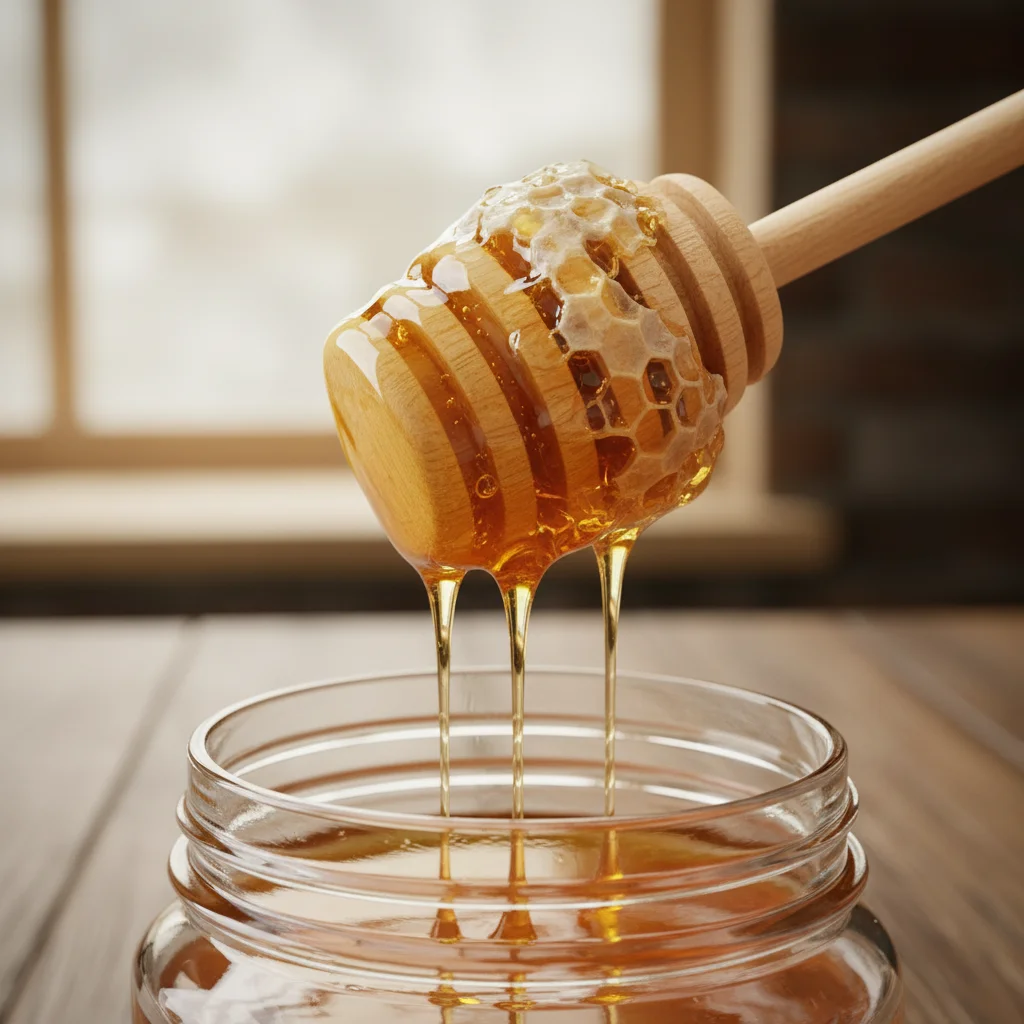
Honeycomb is the natural structure built by honey bees from beeswax. It consists of hexagonal cells that serve as storage units for honey, pollen, and bee larvae. When you purchase honey with honeycomb, you are getting a slice of this raw, unprocessed comb filled with honey that has never been heated, filtered, or pasteurized. Consequently, it retains a fuller spectrum of its natural compounds, including pollen, propolis, and enzymes.
Nutritional Profile & Key Benefits
The primary advantage of honeycomb lies in its purity and additional components. Because it is minimally processed, it contains everything the bees put into it.
Key Nutritional Components:
- Raw Honey: Natural sugars (fructose & glucose), enzymes, amino acids, vitamins, and minerals.
- Beeswax: Long-chain fatty acids and alcohols, which are edible and may aid digestion.
- Bee Pollen: A complete protein source containing vitamins, minerals, and antioxidants.
- Propolis: A resin-like material with potent antimicrobial properties.
Here is a comparison of honeycomb honey versus regular liquid honey:
| Feature | Honey with Honeycomb | Regular Liquid Honey |
|---|---|---|
| Processing | Minimal; often raw & unfiltered | Often pasteurized & finely filtered |
| Texture | Comb + liquid honey; chewy wax | Smooth, liquid syrup |
| Flavor | Complex, floral, with waxy notes | Consistent, sometimes simpler |
| Key Components | Honey, beeswax, pollen, propolis | Primarily honey sugars |
| Potential Health Benefits | Higher; includes digestive aid from wax & antioxidants from pollen | Good; primarily from honey’s natural properties |
Top Health Benefits
- Rich in Antioxidants: Raw honey and bee pollen are loaded with compounds like flavonoids and phenolic acids that combat oxidative stress. This makes it a fantastic natural food for supporting overall wellness, similar to how targeted best brain health supplements aim to protect cognitive function.
- May Soothe the Throat: The thick, viscous honey can coat the throat, providing a soothing effect. For more targeted relief, you can explore specific sore throat remedies.
- Potential Digestive Aid: The beeswax in honeycomb contains compounds that may support gut health. Some people find it helps with digestion, much like specialized best powder supplements for gut health are designed to do.
- Natural Energy Source: The simple sugars provide a quick, unprocessed energy boost, superior to refined sugars.
How to Eat Honey with Honeycomb
Eating honeycomb is a delightful experience. Firstly, you can enjoy it straight from the container. Simply cut or break off a small piece. You can chew the entire piece, swallowing the honey and wax, or chew it like gum to extract the honey and then spit out the wax. The wax is edible and non-toxic, but some prefer not to consume large quantities.
Moreover, it’s a versatile culinary ingredient:
* Spread it on warm toast, biscuits, or pancakes. The wax will melt slightly, creating a wonderful texture.
* Pair it with cheese on a charcuterie board; it complements sharp cheeses like aged cheddar or goat cheese beautifully.
* Use it as a garnish for oatmeal, yogurt, or ice cream.
* Infuse it in warm water or tea, allowing the honey to melt out of the comb.
How to Select and Store Your Honeycomb
To get the highest quality product, look for raw, unfiltered honeycomb from reputable local beekeepers or trusted brands. The comb should appear clean, with tightly formed, uncapped or partially capped cells filled with honey. Additionally, color can vary from light yellow to deep amber based on the nectar source.
For storage, keep your honeycomb in an airtight container at room temperature, away from direct sunlight. Properly stored, it can last for years. You may notice crystallization over time, which is a natural sign of raw honey and does not indicate spoilage.
Important Precautions and Considerations
While honeycomb is safe for most, there are critical considerations. Firstly, never give raw honey or honeycomb to infants under one year old due to the risk of infant botulism. Secondly, individuals with allergies to bee venom or pollen should exercise caution, as raw honeycomb contains trace amounts of these allergens. Finally, because it is high in natural sugars, it should be consumed in moderation, especially by those monitoring blood sugar levels.
Final Thoughts
Honey with honeycomb is more than a sweetener; it’s a direct link to the hive and a testament to nature’s ingenuity. It offers a richer flavor profile and a broader spectrum of potential health benefits than its liquid counterpart. By choosing raw honeycomb, you support sustainable beekeeping and enjoy one of the most unprocessed foods available. Therefore, consider adding this unique, textured wonder to your pantry for a truly authentic taste of nature’s bounty.
For further reading on the components found in honey, you can visit authoritative sources like the National Honey Board or research on PubMed.