
Camel Milk Benefits & Nutrition Guide
The Remarkable World of Camel Milk: Nutrition, Benefits, and Uses
For centuries, camel milk has been a staple in arid regions, prized by nomadic cultures for its ability to sustain life in harsh environments. Today, this unique beverage is gaining global recognition as a potential superfood. Consequently, a growing body of research is beginning to validate its traditional uses, revealing a fascinating nutritional profile with several distinctive health properties.
What is Camel Milk?
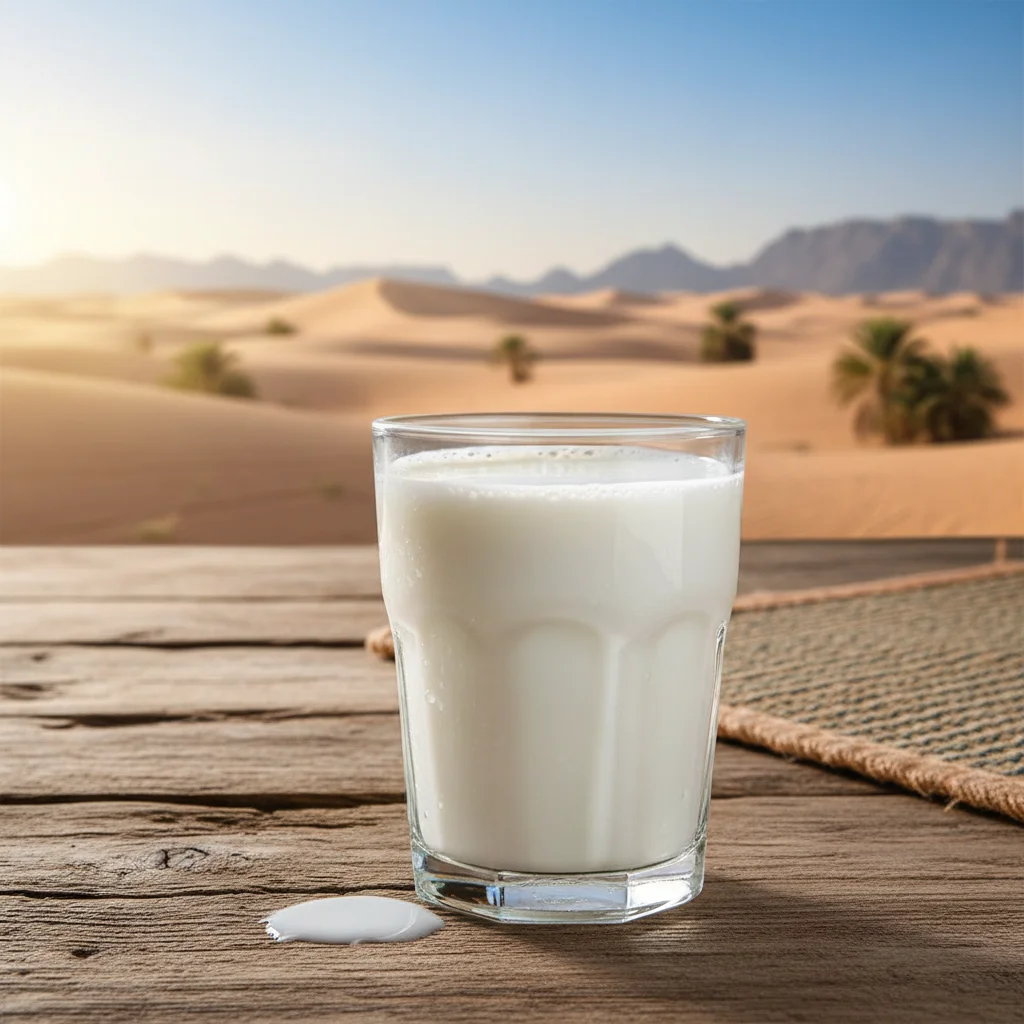
Camel milk is, quite simply, the milk produced by female camels. It has been a dietary cornerstone for populations in the Middle East, North Africa, and parts of Asia for over 5,000 years. Unlike cow’s milk, it has a slightly saltier, sweeter taste and a thinner consistency. Its composition is uniquely adapted to support life in extreme conditions, which translates to some remarkable nutritional differences for human consumers.
Camel Milk Nutrition: A Detailed Breakdown
Camel milk is a rich source of essential nutrients. It is lower in total fat and saturated fat than whole cow’s milk, yet it provides a robust profile of vitamins, minerals, and bioactive compounds. Here is a detailed comparison of key nutritional components per one cup (244g) serving:
| Nutrient | Camel Milk (Approx.) | Whole Cow’s Milk (3.25%) | Key Insight |
|---|---|---|---|
| Calories | 110 kcal | 149 kcal | Lower in calories, making it a lighter option. |
| Protein | 5-6 g | 7.7 g | Contains different proteins; may be better tolerated. |
| Fat | 4-5 g | 8 g | Lower in total and saturated fat. |
| Lactose | 4-5 g | 12 g | Significantly lower, which is crucial for lactose sensitivity. |
| Vitamin C | 5-10 mg | 0 mg | A rare animal-based source of this antioxidant vitamin. |
| Calcium | 15-20% DV | 21% DV | A good source, though slightly less than cow’s milk. |
| Iron | Higher bioavailability | Lower bioavailability | Iron is more easily absorbed by the body. |
| Potassium | Good source | Good source | Important for heart and muscle function. |
Data sourced from comparative nutritional analyses and research institutions like the National Institutes of Health (NIH).
Potential Health Benefits of Camel Milk
The unique composition of camel milk may offer several health advantages. It is important to note that while research is promising, more large-scale human studies are needed. However, the current evidence points to several compelling areas.
May Be Easier to Digest
Firstly, camel milk contains less lactose than cow’s milk. Moreover, its proteins (like casein) are structurally different. Consequently, some individuals with lactose intolerance or milk protein sensitivities report better tolerance to camel milk. This makes it a potential alternative for those seeking dairy options.
Rich in Protective Compounds
Camel milk contains potent antimicrobial proteins like lactoferrin and immunoglobulins. These compounds can support the body’s immune defenses. Additionally, its vitamin C and other antioxidants help combat oxidative stress, which is linked to chronic inflammation and aging.
May Support Blood Sugar Management
Emerging research suggests camel milk may have anti-diabetic properties. Some studies indicate it can improve insulin sensitivity and reduce blood sugar spikes, potentially due to its insulin-like proteins. Therefore, it has garnered interest as a supportive dietary element for metabolic health, similar to how specific diets like a vegan keto diet are explored for metabolic management.
Potential for Autoimmune Condition Support
Preliminary, though not conclusive, research has explored camel milk’s effects on autoimmune conditions. Its unique antibodies and anti-inflammatory properties are the subject of ongoing study for their potential role in modulating immune response.
Camel Milk vs. Cow Milk: Key Differences
Understanding how camel milk stacks up against the conventional option is crucial. Here’s a direct comparison:
- Lactose Content: Camel milk has about 50% less lactose, a major differentiator.
- Allergenicity: The different protein structure often makes it non-allergenic to those with cow’s milk allergy.
- Antimicrobial Activity: It naturally contains higher levels of antimicrobial substances.
- Vitamin C: It provides vitamin C, whereas cow’s milk does not.
- Taste and Texture: It is slightly sweeter and saltier, with a noticeably thinner, more watery consistency.
Who Should Consider Trying Camel Milk?
Camel milk could be a valuable addition for specific groups:
* Individuals with lactose intolerance seeking a dairy alternative.
* Those managing blood sugar levels as part of a broader dietary plan.
* Anyone looking to incorporate a diverse, nutrient-rich food into their diet for overall wellness, much like one might add targeted powder supplements for gut health.
* People interested in exploring traditional, functional foods.
Important Consideration: Always consult with a healthcare provider before making significant dietary changes, especially if you have a medical condition or severe allergies.
How to Use and Where to Find Camel Milk
Camel milk can be consumed fresh, frozen, or in powdered form. You can drink it plain, use it in smoothies, coffee, cereal, or even in cooking and baking. Because it is more niche, availability varies. You may find it in:
* Specialized health food stores or Middle Eastern markets.
* Online retailers selling frozen or powdered camel milk.
* Local farms in certain regions (camel dairies are growing in number).
The Bottom Line
Camel milk presents a fascinating and nutritious alternative to conventional dairy. Its lower lactose content, unique proteins, and array of bioactive compounds offer potential benefits for digestion, immunity, and metabolic health. While not a miracle cure, it is a testament to dietary diversity.
If you are curious, sourcing a high-quality product and trying it cautiously could be a worthwhile exploration into a timeless, functional food.

