
Round Green Vegetable Types & Recipes
The Complete Guide to Round Green Vegetables: From Brussels to Zucchini
When you think of vegetables, a diverse array of shapes and colors likely comes to mind. Among them, round green vegetables hold a special place for their versatility, dense nutrition, and satisfying texture. This guide will explore the most common types, their impressive health benefits, and how to incorporate them deliciously into your diet.
What Are Round Green Vegetables? 🥬
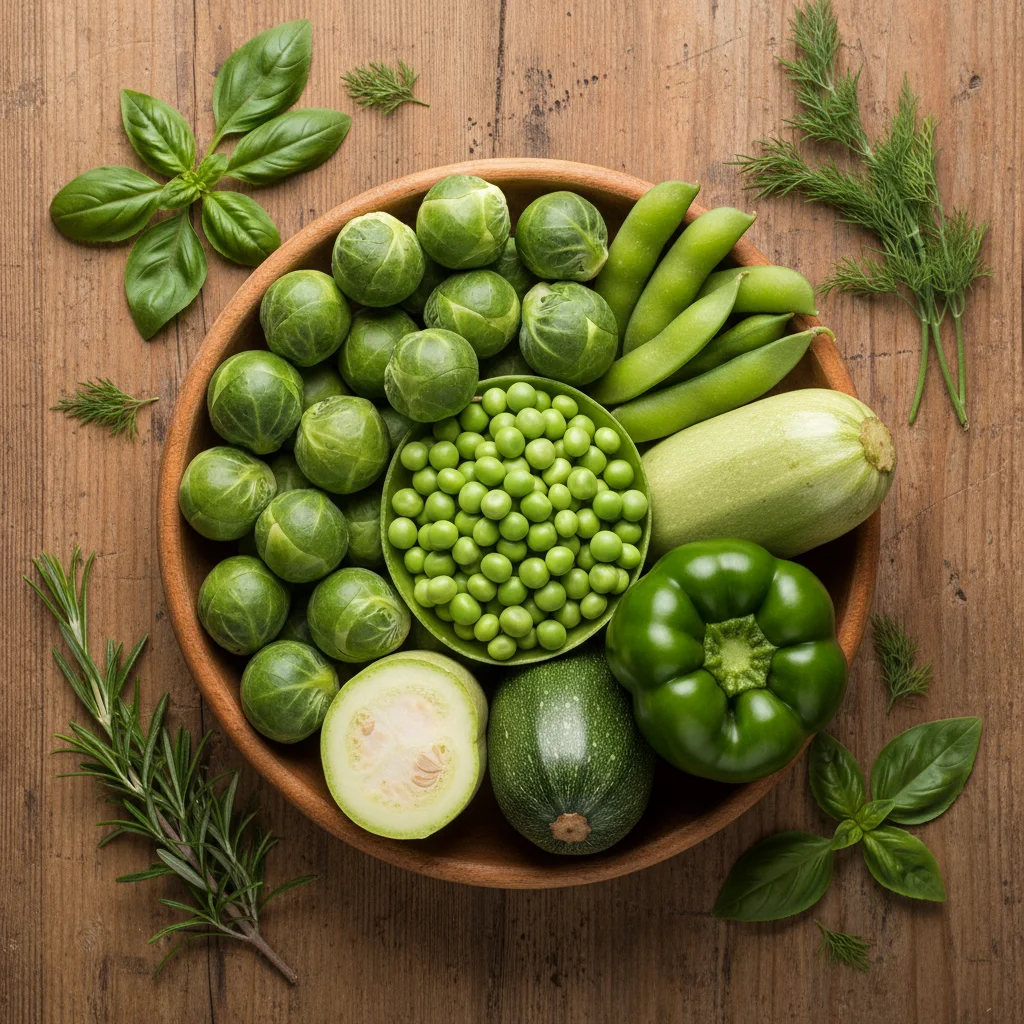
Firstly, it’s important to define our subject. Round green vegetables are simply edible plant parts—often the fruit, flower bud, or seed pod—that are predominantly green and have a spherical or globular shape. They are staples in cuisines worldwide, prized for their ability to add substance, flavor, and color to a meal. Moreover, their compact shape often makes them ideal for roasting, stuffing, or adding whole to stews.
Popular Types of Round Green Vegetables
The category is more varied than you might initially think. Here is a breakdown of some of the most common and nutritious options.
| Vegetable | Primary Form Eaten | Key Nutritional Highlight | Best Cooking Methods |
|---|---|---|---|
| Brussels Sprouts | Bud | Very high in Vitamin K & C | Roasting, Sautéing, Shaving raw |
| Green Peas | Seed | High in plant-based protein & fiber | Steaming, Pureeing, Adding to rice |
| Edamame | Young Soybean Pod | Complete protein, rich in iron | Boiling, Steaming, Snacking |
| Broccoli Florets | Flower Bud | Excellent source of Vitamin C & Sulforaphane | Steaming, Stir-frying, Roasting |
| Zucchini (when young) | Fruit | High in water content, low in calories | Grilling, Spiralizing, Sautéing |
| Green Bell Pepper | Fruit | Exceptionally high in Vitamin C | Stuffing, Eating raw, Sautéing |
| Okra | Seed Pod | Good source of soluble fiber | Frying, Stewing, Pickling |
| Cabbage (Savoy/Green) | Leaves (head is round) | Rich in Vitamin K and antioxidants | Fermenting, Braising, Shredding for slaw |
Remarkable Health Benefits of Green Globes
Incorporating these vegetables into your weekly meals can significantly boost your health. Their benefits are wide-ranging and scientifically supported.
1. Packed with Essential Vitamins and Minerals
Many round green vegetables are powerhouses of specific nutrients. For instance, Brussels sprouts and broccoli provide more than 100% of your daily Vitamin C needs per serving, which is crucial for immune function and collagen production. Additionally, leafy round heads like cabbage are excellent sources of Vitamin K, vital for bone health and blood clotting.
2. High in Dietary Fiber for Digestive Health
Fiber is a cornerstone of good digestive health, and vegetables like peas, okra, and Brussels sprouts are loaded with it. Consequently, consuming them can promote regular bowel movements, support a healthy gut microbiome, and aid in managing blood sugar levels.
3. Loaded with Protective Antioxidants
The green color often signifies the presence of chlorophyll and other potent plant compounds. These vegetables contain antioxidants like lutein, zeaxanthin, and various flavonoids that help combat oxidative stress in the body. This protective effect is linked to a reduced risk of chronic diseases. For more on how antioxidants support specific areas of health, explore our guide on antioxidants for prostate health.
4. Support for Weight Management Goals
Due to their high fiber and water content (especially in zucchini and peppers), these vegetables add volume and satiety to meals without adding many calories. Therefore, they are a fantastic component of any weight loss secret focused on nutrient-dense, whole foods.
How to Select and Store Them for Freshness
Choosing the best produce is the first step to a delicious dish.
* Brussels Sprouts & Cabbage: Look for firm, compact heads with bright, tightly packed leaves. Avoid any with yellowing or significant blemishes.
* Peas & Edamame: Pods should be vibrant green, plump, and firm to the touch.
* Zucchini & Bell Peppers: The skin should be glossy, taut, and free of soft spots or wrinkles.
For storage, most round green vegetables will keep best in the high-humidity drawer of your refrigerator. Peas and edamame in pods are particularly perishable and should be used within a few days. Conversely, whole cabbages and firm Brussels sprouts can last for a couple of weeks.
Simple and Delicious Preparation Ideas
You don’t need complicated recipes to enjoy these vegetables. Here are three fail-proof methods:
- The Perfect Roast: Toss halved Brussels sprouts or broccoli florets with olive oil, salt, and pepper. Roast at 425°F (220°C) for 20-25 minutes until caramelized and tender. This method concentrates their natural sweetness.
- Quick Sauté or Stir-fry: Slice zucchini, bell peppers, or okra and sauté in a hot pan with garlic and ginger for a fast, flavorful side dish. Adding a splash of tamari or lemon juice at the end brightens the flavor.
- Enjoy Them Raw: Shave Brussels sprouts thinly for a hearty salad, or slice green bell peppers and cucumbers for a refreshing crudité platter. A simple dip like hummus or tzatziki completes the snack.
Answering Common Questions
Are round green vegetables good for everyone?
Generally, yes. However, some people with specific digestive conditions like IBS may need to moderate intake of high-FODMAP varieties like Brussels sprouts. It’s always best to listen to your body.
Can I eat the skins?
Absolutely. In most cases, the skin holds a significant amount of the fiber and nutrients. Just be sure to wash all vegetables thoroughly under running water.
What’s the easiest round green vegetable to grow at home?
Zucchini and peas are famously prolific and relatively easy for beginners. For more on sustainable home food production, check out our Self Sufficient Backyard Book Review.
The Bottom Line
Ultimately, round green vegetables are a diverse, nutritious, and delicious group that deserves a regular spot on your plate. From the robust, earthy flavor of roasted Brussels sprouts to the sweet crunch of a fresh pea, they offer endless culinary possibilities and profound health benefits. Start by picking one new variety this week and experiment with a simple preparation—your body and your taste buds will thank you.
For further reading on the nutritional components of specific foods, you can refer to resources like the USDA FoodData Central.

